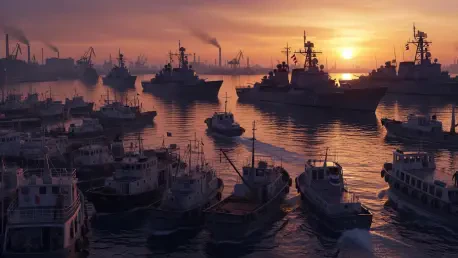

The sudden intensification of naval operations within the Strait of Hormuz has sent shockwaves through international markets as the United States military initiated a strict blockade of Iranian shipping hubs earlier this week. This aggressive maneuver followed the abrupt collapse of peace negotiations in Islamabad, where regional powers failed to reach a consensus on maintaining the fragile ceasefire established during the early spring of 2026. Beijing immediately issued a formal condemnation, characterizing the American strategy as a dangerous and irresponsible act that risks plunging the entire Middle East into a broader conflict. Foreign Ministry spokesman Guo Jiakun emphasized that this escalation threatens to shatter the already delicate balance of power, suggesting that the use of military coercion only serves to undermine previous diplomatic achievements. As a primary stakeholder in regional stability, China remains vocal about the necessity of preserving open shipping lanes for global commerce.
Economic Resilience and Regional Stability
Beyond the immediate security concerns, China’s stance is deeply rooted in its status as the leading consumer of Iranian crude oil, making the blockade a direct threat to its national energy security. The disruption of maritime traffic through one of the world’s most vital choke points forces Beijing to confront the reality of volatile supply chains and rising logistical costs. While the United States views the blockade as a necessary instrument to compel Iranian compliance with international demands, Chinese officials argue that such heavy-handed tactics create unintended consequences for the global economy. By obstructing the free flow of energy resources, the blockade risks triggering an industrial slowdown that could reverberate far beyond the borders of the Persian Gulf. Consequently, the Chinese leadership has pivotally advocated for a return to the negotiating table, emphasizing that sustainable stability can only be achieved through mutual concessions rather than unilateral naval pressure or economic strangulation.
Shifting Toward Multilateral Diplomatic Frameworks
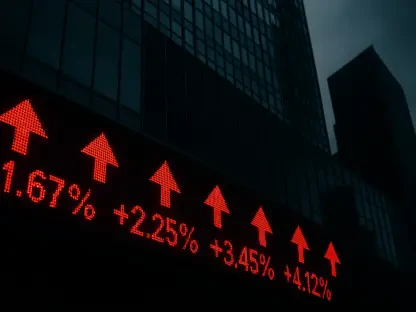
Despite the high stakes involved in the naval standoff, global oil prices actually experienced a marginal decline, retreating below the hundred-dollar threshold as rumors of a potential diplomatic breakthrough emerged. Market analysts monitored Brent crude and West Texas Intermediate closely as traders weighed the possibility of de-escalation against the risk of prolonged maritime closures. During this period, the Chinese government took decisive steps to dismiss allegations regarding its clandestine military support for the Islamic Republic, clarifying that reports of weaponry transfers were entirely fabricated. To move forward, international stakeholders sought to establish a multilateral energy security framework that prioritized the protection of commercial shipping independent of geopolitical disputes. Policymakers recognized that the focus shifted toward implementing transparent monitoring systems to prevent future disruptions. These measures offered a viable path toward restoring confidence in global trade while ensuring that diplomatic dialogue remained the primary vehicle for resolving regional grievances.