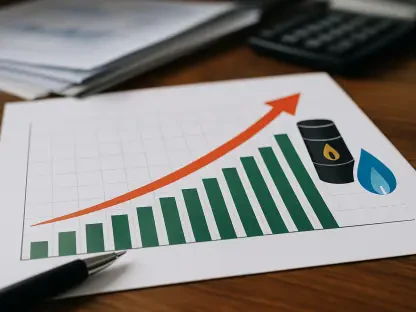

Global financial markets recently witnessed a breathtaking transition from panic to cautious optimism as the explosive surge in energy costs began to retreat from historical peaks. The closure of the Strait of Hormuz in late February triggered an immediate spike in West Texas Intermediate crude, which soared toward the $120 mark after significant production halts from regional heavyweights like Iraq, Kuwait, and the United Arab Emirates. This sudden supply vacuum forced institutional investors to brace for a period of rampant, persistent inflation that threatened to derail the stability of the domestic economy. However, the narrative shifted dramatically following executive signals indicating that the intensive military phase of the regional conflict was nearing a conclusion. As the perceived threat to global shipping lanes diminished, the bond market responded with a sharp correction, suggesting that the feared inflationary spiral might be shorter than many analysts had originally predicted. This shift provided a much-needed reprieve for market participants who had been anticipating a deep and prolonged global recession.
Geopolitical De-escalation: The Bond Market Response
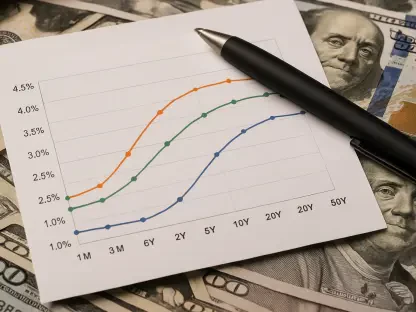
The cooling of energy prices acted as a vital release valve for U.S. Treasury yields, which had been climbing steadily under the weight of rising commodity costs. The benchmark 10-year Treasury yield retreated to approximately 4.109%, reflecting a collective sigh of relief among traders who had previously been pricing in a much more aggressive stance from the Federal Reserve. This downward movement is particularly significant because it underscores how sensitive fixed-income assets remain to the fluctuating price of oil, which serves as a primary driver for consumer price expectations. While the threat of a recession remains a valid concern due to high borrowing costs, the rapid decline in crude prices to around $87 per barrel has provided the central bank with much-needed breathing room. Financial strategists now observe a market caught between lingering skepticism and the hope that a quick pivot in monetary policy could prevent a deeper economic downturn as the pressure on long-term interest rates continues to ease.
Strategic Reserves: Navigating the Path toward Economic Stability
Moving forward, the focus centered on international efforts to stabilize energy supplies through coordinated strategic reserve releases managed by G7 energy ministers. Investors looked toward the upcoming personal consumption expenditures index and February inflation data to confirm if the recent decline in energy costs translated into broader price stability. These metrics were deemed essential for determining whether the Federal Reserve would maintain its current trajectory during the March policy session. Policymakers and institutional stakeholders recognized that diversifying energy sources and strengthening supply chain resilience were the only long-term solutions to mitigate future geopolitical volatility. As the market entered the pre-meeting blackout period, the stabilization of the 10-year yield suggested that proactive diplomatic engagement and strategic resource management played a decisive role in calming the financial sector. Ultimately, the emphasis was placed on maintaining rigorous oversight of global trade corridors to ensure that future energy shocks did not undermine the fragile progress toward achieving a sustainable and balanced economic environment.