
To comply with the SEC’s new mandate, OKX must re-engineer its synthetic product model to ensure that token holders receive full dividends and voting rights. This requirement represents a fundamental shift for an exchange that has long operated in the international offshore markets under Regulation S. Until recently, global investors utilized platforms like xStocks to gain price exposure to major tech companies and exchange-traded funds without actually owning the underlying securities. These synthetic products, while efficient for 24/7 trading on networks like Solana and X Layer, lacked the legal protections and corporate benefits typically associated with direct stock ownership. By seeking formal approval from the Securities and Exchange Commission, OKX is attempting to legitimize the concept of on-chain equity for a domestic audience. This strategic pivot signals the end of the era of pure synthetic derivatives and the beginning of a highly regulated environment where blockchain assets must mirror the complex legal structures of traditional Wall Street instruments to gain entry into the American financial ecosystem.
Navigating the SEC Innovation Exemption Framework
The recent introduction of the Innovation Exemption by the SEC on September 17, 2026, has created a transformative pathway for digital asset firms to operate within the United States. This five-year pilot program, scheduled to run through 2031, provides a structured environment for qualified Tokenized Securities Venues to facilitate the trading of National Market System stocks using on-chain protocols. Unlike previous regulatory frameworks that were often viewed as restrictive, this initiative explicitly allows for the use of automated market makers to manage liquidity and execution. However, the eligibility for this program is contingent upon strict adherence to transparency and investor protection standards that many crypto-native platforms are not yet equipped to handle. For OKX, the shift toward becoming a registered venue involves not just technical upgrades but a complete overhaul of its internal compliance architecture to meet the specific demands of the SEC’s pilot. This move reflects a broader industry trend where the lines between decentralized finance and regulated exchange operations are becoming increasingly blurred.
Transitioning from a synthetic model to a fully backed on-chain equity system requires a sophisticated technological approach to handle corporate actions. In the previous offshore model, users traded tokens that tracked the price of a stock but did not receive dividends or participate in shareholder votes. Under the new American mandate, every tokenized share must behave exactly like its traditional counterpart, necessitating a reliable mechanism for distributing cash flows and recording votes directly on the blockchain. This structural hurdle is perhaps the most significant challenge facing OKX as it prepares its application for the US market. The exchange must prove to regulators that its smart contracts can accurately reflect these rights in real-time without the risk of errors or security breaches. Successfully implementing these features would transform the tokenized stock from a mere speculative derivative into a legitimate financial instrument. It would also set a precedent for how other international exchanges might eventually re-enter the American market by adopting more rigorous, rights-based token standards.
Building Institutional Bridges: The Path to Compliant Digital Equities
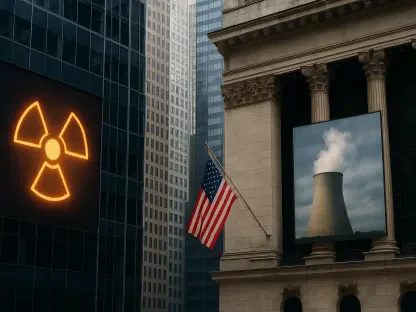
Parallel to its individual filing, the exchange is advancing its presence in the United States through a strategic joint venture known as OKXICE. This partnership with the Intercontinental Exchange, the parent organization of the New York Stock Exchange, demonstrates a clear intent to blend blockchain innovation with established financial infrastructure. By working together, the two entities are currently awaiting the finalization of broker-dealer and Futures Commission Merchant licenses from the SEC and the CFTC. This dual-track strategy is designed to provide a comprehensive suite of services that spans both spot equity trading and complex derivatives, all within a compliant framework. Obtaining these licenses would allow the venture to integrate directly with traditional clearinghouses and settlement systems, effectively bridging the gap between the speed of the blockchain and the stability of legacy finance. For OKX, the association with a powerhouse like ICE provides much-needed institutional credibility, which is a vital component for gaining the trust of both retail participants and the regulatory bodies.
The industry recognized that the successful integration of tokenized stocks depended on transparent communication and rigorous adherence to the new TSV standards. Market participants established clear protocols for the handling of corporate actions and the verification of underlying assets to ensure long-term stability. Moving forward, it was recommended that companies prioritize the development of interoperable standards that allow tokenized securities to move seamlessly between different regulated venues. Digital asset firms also invested heavily in legal and compliance teams to navigate the evolving requirements of the SEC during this transition. The experience gained during the pilot program provided invaluable data for the long-term regulation of blockchain-based finance across the globe. By focusing on the passthrough of shareholder rights and the implementation of robust security measures, the sector established a blueprint for future digital equity offerings that bridged the gap between traditional and decentralized markets.