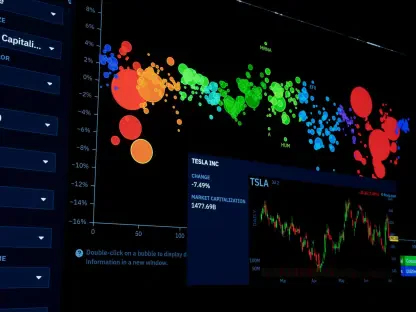

The modern financial landscape has shifted dramatically toward a model where disciplined income generation outweighs the erratic pursuit of speculative capital gains, especially as volatility remains a persistent feature of the equity markets. Sophisticated participants now look toward a tactical roadmap that prioritizes consistent cash flow by leveraging data-driven metrics rather than emotional reactions to price swings. By utilizing tools like the Seller Dashboard, investors can effectively filter through thousands of tickers to identify high-probability setups that offer substantial annualized returns on investment. This methodology focuses on the likelihood of option contracts expiring out-of-the-money, allowing for the systematic collection of premiums from high-profile stocks. Instead of gambling on the next big breakout, the strategy centers on capturing value from the inherent uncertainty that drives option pricing. This professional approach transforms the options market into a reliable engine for yield, provided one maintains a focus on the statistical probability of success and risk.
Harnessing Implied Volatility: The Mechanics of Premium Harvesting
Building on the necessity for precision, seasoned market participants often target stocks exhibiting temporary price dislocations to sell put options when implied volatility is at its peak. A notable example of this occurred with Rocket Lab, where large-scale trades demonstrated the effectiveness of selling puts during sharp price selloffs. When a stock experiences a rapid decline, the cost of protection rises, allowing option sellers to collect significantly higher premiums than they would in a calm market environment. This tactic effectively monetizes the fear present among retail investors, turning market panic into a source of structured income. Similarly, the semiconductor industry, represented by firms like Marvell Technology, provides a fertile ground for high-yield plays by selling puts that benefit from positive sector-wide growth catalysts. By selecting strike prices below current market values, traders set an attractive potential entry point for the underlying shares, ensuring that even if the stock continues to drop, the cost basis is buffered by the premium received upfront in any climate.
Beyond simply collecting premiums, the successful execution of high-volatility trades requires a deep understanding of the relationship between price action and the variables that govern option pricing. High-yield opportunities frequently emerge in stocks that possess strong fundamental support yet face short-term technical challenges, as seen in the cases of Nebius and MicroStrategy. These assets illustrate a balance where high probabilities of profit meet substantial annualized returns, often driven by unique catalysts such as strategic asset sales or stabilization after periods of extreme growth. Selling cash-secured puts on such companies allows an investor to essentially get paid to wait for a better entry price while establishing a fundamental floor for the position. More aggressive income seekers might pivot toward volatile sectors where premiums are exceptionally high, leveraging overreactions to specific events. For instance, trades in Bloom Energy demonstrated how utilizing short-term puts can offer triple-digit annualized returns when capturing the aftermath of insider activity or minor earnings misses.
Portfolio Optimization and Risk Management: From Covered Calls to Disciplined Execution
For investors who already hold equity positions, the covered call serves as an indispensable tool for boosting total returns and managing inherent downside risk in a volatile environment. By selling the right for someone else to buy their shares at a higher price, investors cap their potential upside in exchange for an immediate cash payment. This was particularly evident in the movements of AST SpaceMobile, where the premiums from covered calls provided a necessary cushion against erratic price swings. This strategy is also highly effective for capturing additional gains on stocks that are approaching analyst price targets, such as Qualcomm. In such instances, a trader can participate in capital appreciation up to a certain point while simultaneously securing a lucrative short-term return from the sold call. Conservative income plays, such as selling calls on Nokia, provide a steadier path for risk-averse investors by focusing on companies with stable corporate credit profiles and lower volatility for better predictability and long-term income consistency.
The shift toward data-centric options strategies represented a significant evolution in how modern participants approached the challenges of a volatile market. Successful traders moved away from speculative bets and instead embraced a systematic framework that prioritized high-probability setups and disciplined risk management. They integrated sophisticated tools to filter for the best annualized returns while carefully assessing the fundamental floors of the underlying assets. This transition proved essential for those seeking to transform the options market into a reliable source of high-yield income rather than a platform for gambling. Moving forward, the emphasis remained on maintaining a neutral perspective and adapting to changing volatility regimes as they developed across various sectors. Investors who adopted these tactical roadmaps were better equipped to handle the complexities of price fluctuations and assignment risks. Ultimately, the focus on capturing premiums through both puts and calls solidified a sustainable path for long-term wealth accumulation and portfolio stability.