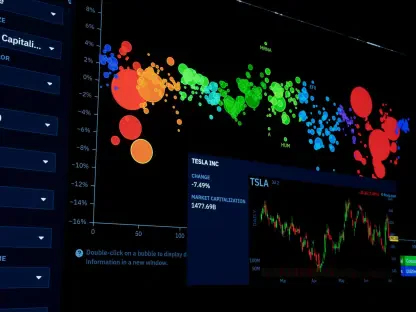

Navigating the current landscape of retail investing requires a sophisticated understanding of how technological integration has reshaped traditional market access for everyday participants. In this environment, the distinction between a mediocre platform and a high-performance brokerage often determines the efficiency of capital growth and the overall security of personal wealth. As the financial sector continues to evolve, the tools available to individual traders have become increasingly powerful, offering capabilities that were once reserved for institutional desks. However, the abundance of choices creates a unique challenge for those seeking to optimize their portfolios while minimizing overhead costs and technical friction. Selecting a partner for market participation is no longer just about placing trades; it involves choosing a comprehensive digital home for one’s financial future. Whether the objective is aggressive short-term trading or conservative long-term wealth accumulation, the decision necessitates a rigorous evaluation of service quality, regulatory compliance, and technological reliability. By examining the current standard of digital brokerages, investors can secure a more stable footing in a market that rewards precision and informed decision-making. High-quality platforms now offer a seamless blend of execution speed and analytical depth, making it possible for anyone with a digital connection to participate in global economic growth.
1. Digital Infrastructure and Account Classifications
Digital investment accounts serve as the fundamental entry point for asset management, functioning as a centralized hub where users execute transactions while the firm manages the underlying infrastructure. A primary advantage of these platforms is the automation of complex logistical tasks, including the settlement of trades and the generation of necessary tax documentation. These platforms bridge the gap between individual retail participants and the global financial markets, ensuring that stocks, exchange-traded funds, and other securities are held securely. By acting as a professional intermediary, a digital brokerage allows for real-time monitoring of asset performance and historical data tracking, which are essential for maintaining a balanced portfolio. The integration of advanced software ensures that the technical barriers to entry are minimized, allowing for a focus on strategic allocation rather than administrative burden. Furthermore, the custodial role of these firms provides a layer of professional oversight that protects the integrity of the investment process and ensures compliance with modern financial regulations.
There is a significant variety of account types available to meet the diverse needs of the modern investing public. Personal taxable accounts offer the most flexibility, as they typically lack deposit ceilings, though they require the payment of taxes on realized gains. For couples or partners, shared accounts facilitate joint management of household wealth and simplify the pooling of resources for larger financial goals. Retirement plans, such as Individual Retirement Accounts, provide significant tax advantages but are constrained by annual contribution limits designed by regulatory bodies to encourage long-term savings. More experienced participants might opt for margin accounts, which permit the use of borrowed capital to amplify purchasing power, though this introduces heightened risk levels if market movements become unfavorable. Conversely, cash-only accounts offer a more straightforward approach, restricting trades to the actual funds deposited by the user. This variety ensures that regardless of an individual’s specific financial situation or long-term objectives, there is an account structure tailored to meet those requirements while adhering to legal and fiscal standards.
2. Essential Qualities of High-Performance Brokerages
To identify the most effective platform, one must examine several critical factors that influence the overall trading experience and financial outcome. Trading costs remain a top priority, as even small fees can accumulate over time and significantly erode the total returns of a portfolio. While many firms have shifted toward commission-free models for standard stocks, variations in options pricing and other specialized assets still exist. Minimum balance rules are another important consideration, as some platforms require a specific amount of capital to either open an account or access advanced features. Beyond these financial metrics, legal oversight is a non-negotiable requirement for any reputable brokerage. Membership in organizations such as the Securities and Exchange Commission, the Financial Industry Regulatory Authority, and the Securities Investor Protection Corporation provides essential layers of insurance and regulatory compliance. These entities ensure that the brokerage operates within the bounds of the law and that client assets are protected in the event of a firm’s insolvency, providing peace of mind to participants.
The quality of the user interface and the breadth of available products also play a decisive role in the selection process. Software quality is measured by how intuitively an investor can navigate the app or website, especially during periods of high market volatility when quick execution is paramount. A high-quality broker provides access to a wide array of products, including traditional stocks, cryptocurrencies, and fractional shares, allowing for greater diversification. Educational materials and research tools are equally important, as they empower users to make informed decisions based on real-time news and expert analysis. Platforms that offer deep technical charts and comprehensive financial data allow for a more professional level of analysis. In an era where information moves instantly, having integrated research tools can be the difference between identifying a trend early and reacting too late. Therefore, a brokerage that prioritizes both technological innovation and user education offers a superior environment for both novice and seasoned market participants.
3. Leading Platforms and Specialized Market Providers
In the current market, several platforms have distinguished themselves by catering to specific types of investors and their unique strategies. Webull has emerged as a premier choice for those who prioritize advanced data analytics and a fee-free environment. Its platform is particularly well-suited for active traders who require detailed technical indicators and a high degree of customization in their workspace. In contrast, Fidelity is often viewed as the ideal choice for long-term investors who value deep institutional research and comprehensive retirement planning tools. Fidelity’s reputation for stability and its extensive library of educational resources make it a cornerstone for those building wealth over several years or decades. Both platforms offer robust mobile and desktop experiences, but their core focuses differ slightly to accommodate different styles of engagement. While one excels in rapid technical analysis, the other provides the foundational support needed for holistic financial management, ensuring that every type of market participant has a suitable option.
Other major contenders include Charles Schwab, ETRADE, and Robinhood, each offering a distinct value proposition to their users. Charles Schwab is frequently selected by individuals who want a full range of financial services, including banking and wealth management, integrated into a single ecosystem. This all-in-one approach simplifies the management of various financial assets and provides a streamlined view of one’s total net worth. ETRADE continues to be a top-tier selection for those who focus heavily on options trading, providing specialized tools and calculators designed to handle complex derivative strategies. On the other end of the spectrum, Robinhood remains a favorite for beginners due to its incredibly simple and streamlined mobile experience. Its focus on accessibility and ease of use has made it a gateway for many people entering the market for the first time. By understanding the strengths of these diverse platforms, an investor can align their choice with their personal trading frequency, technical needs, and broader financial goals.
4. Comprehensive Technical Advantages of the Webull Ecosystem
The Webull platform offers a suite of features designed to enhance the efficiency and precision of modern trading activities. One of its primary benefits is the implementation of zero-fee trades for standard stock and fund transactions, which allows participants to keep a larger portion of their profits. Beyond cost savings, the platform provides professional-grade graphing tools that allow for the tracking of intricate market trends through various technical indicators. The ability to purchase fractional shares is another significant advantage, as it enables the acquisition of small pieces of high-priced stocks for as little as one dollar. This democratizes access to expensive blue-chip companies that might otherwise be out of reach for those with smaller account balances. Furthermore, Webull provides access to extended trading hours, allowing users to react to market-moving news before the official opening bell or after the daily close. This flexibility is vital in a global economy where significant developments can occur at any time, often outside of traditional North American business hours.
Technical sophistication continues with specialized tools for derivative traders and those looking to refine their strategies without financial risk. The platform includes advanced options calculators that help traders assess the potential outcomes and risks associated with complex contracts. For those who are new to the markets or testing a new methodology, the simulator mode provides a way to practice trading with virtual currency in a real-time environment. This feature is instrumental in building confidence and competence before committing actual capital to a position. To ensure that users are always informed, Webull delivers live market updates and real-time data feeds, which are essential for making quick, data-driven decisions. Additionally, the platform supports various retirement account options, including different types of IRAs, making it a viable choice for long-term planning. The integration of intelligent analysis tools powered by modern technology further assists in identifying potential investment ideas, providing a comprehensive ecosystem that supports every stage of the investment journey.
5. Financial Transparency and Cybersecurity Protocols
While many platforms advertise low costs, it is essential for investors to investigate potential hidden expenses that can impact the bottom line. Although standard commissions may be zero, there are often trade execution fees or small regulatory costs that are passed through to the consumer. For instance, options trading typically involves per-contract charges that can add up quickly for those who trade in high volumes. Additionally, moving assets from one firm to another often incurs exit fees, which should be factored into the decision if one plans to switch brokers in the future. Those who utilize margin accounts must be particularly mindful of borrowing interest rates, as these can fluctuate and represent a significant ongoing cost for using leverage. Small government or exchange-related fees are also common and are usually mandatory regardless of the brokerage used. Maintaining a clear understanding of these various cost layers ensures that an investor is not surprised by unexpected deductions from their account balance over time.
Security remains a paramount concern in the digital age, and top-tier brokerages employ multiple layers of protection to safeguard user information and assets. Multi-step login processes, which require a code sent to a mobile device or a separate authentication app, are now a standard requirement for ensuring that only the account owner can gain access. Many mobile applications also integrate biometric security, such as fingerprint or facial recognition, to provide a fast and secure way to unlock the platform. Behind the scenes, data scrambling and advanced encryption protocols are used to keep personal information private during transfers and storage. Alert systems are also a critical component of a secure environment, providing instant notifications for any suspicious or unusual activity within an account. These proactive measures are designed to detect and prevent unauthorized access before any damage can occur. By choosing a brokerage that prioritizes these security features, individuals can focus on their investment strategies with the confidence that their financial data and capital are well-protected.
6. Practical Onboarding and Future Strategic Trajectories
Starting an investment journey involves a systematic process that begins with selecting a platform that aligns with one’s specific needs and reputation. Once a broker is chosen, the next step is to pick the appropriate account category, whether it be an individual taxable account, a joint account for shared wealth, or a specialized retirement vehicle. The application process typically requires filling out digital paperwork that includes personal identification and employment information to satisfy regulatory requirements. To verify the account, users must provide a clear picture of a government-issued ID, such as a driver’s license or passport, which is a standard security measure. After the account is approved, the final logistical step is adding money to the balance through a bank link or a direct wire transfer. Once the funds have cleared and are available for use, the participant can then proceed to make their first purchase of a stock or fund. This methodical approach ensures that all legal and technical requirements are met before any capital is put at risk in the market.
Success in the marketplace was often predicated on the initial selection of a brokerage that aligned with specific financial objectives. The shift toward low-cost, high-tech platforms like Webull allowed for a more efficient allocation of resources and provided retail participants with tools that were once inaccessible. Moving forward, the most successful investors will be those who consistently leverage these advanced analytical features while remaining vigilant about the security of their digital accounts. It was important to confirm that any chosen firm maintained proper insurance coverage through the SIPC and adhered to the strict oversight of the SEC. By maintaining a diversified portfolio and utilizing the real-time data provided by modern platforms, individuals were able to navigate market fluctuations with greater precision. The ongoing integration of automated analysis and fractional ownership continued to lower the barriers to entry, making the process of building wealth more inclusive. Ultimately, the disciplined application of these tools and the careful selection of a reliable brokerage formed the foundation of a robust financial strategy.