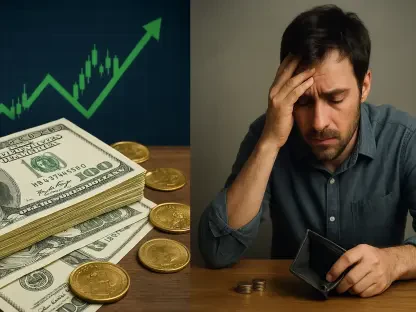

The Albanese Government’s tax reforms have begun to reduce the attractiveness of property speculation, effectively cooling a market that many deemed inaccessible. This development marks a pivotal moment in what observers call the Great Housing Contradiction, a phenomenon where the public calls for affordability while simultaneously recoiling at any actual drop in asset values. For years, the Australian psyche has been tethered to the belief that real estate must perpetually rise to ensure national prosperity, yet this conviction has created a landscape where the primary function of a home has shifted from a place of residence to a high-stakes financial instrument. The current downturn is often framed as an economic disaster rather than a necessary correction to decades of unsustainable growth. This circular narrative has trapped the society in a state of paralysis, caught between the desire for cheaper entry points for younger generations and a deep-seated fear of losing the household wealth accumulated over decades of inflation.
Media Alarmism: Navigating Policy Tensions
Major media institutions have historically played a central role in amplifying this paradox by pivoting their narrative based on current market fluctuations. When prices surge at double-digit rates, the headlines are filled with critiques regarding the exclusion of first-home buyers and the death of the Australian dream. However, the moment values begin to soften, the rhetoric shifts toward alarmist descriptions of “spiraling” prices and “wiped out” equity. This inconsistent messaging reinforces the psychological barrier that rising prices are the only acceptable economic outcome for the nation. By framing every percentage drop as a catastrophic loss of wealth, these outlets ignore the reality that lower prices are exactly what is required to restore balance. This media cycle creates a feedback loop that discourages rational discussion about the benefits of a cooling market, instead fostering a culture of panic that pressures policymakers to restart the speculative engine.
Building on this media pressure, the Albanese Government faces a significant political dilemma as it attempts to navigate the fallout of its own regulatory successes. While the administration has implemented bold tax reforms, including adjustments to negative gearing and capital gains discounts, officials often remain hesitant to claim credit for the resulting price declines. This reluctance highlights a profound fear within the political establishment that any reduction in nominal property values will be weaponized by opposition parties as definitive proof of economic mismanagement. Despite the clear long-term benefits of a more accessible housing market, the immediate political risk of alienating current homeowners remains a formidable hurdle. Consequently, the government finds itself in a precarious position, trying to balance the needs of a disenfranchised youth with the expectations of an older demographic that has come to view property as a guaranteed pension plan for their future.
Sustainable Growth: Reclaiming the Australian Dream
The long-standing political assumption that every Australian homeowner demands ever-rising property values is increasingly being challenged by the realities of a modern economy. Since the start of 2026, even established owners are starting to recognize the severe social and economic downsides of an over-inflated market. Recent data suggests that a growing majority of Australians, including many who already own their homes, now support the objective of bringing house prices down to sustainable levels. This shift in sentiment stems from a realization that the excessive cost of housing drains capital from more productive sectors of the economy and limits the geographic mobility of the workforce. Parents and grandparents are also seeing the direct impact on their own families, as their children are priced out of the communities where they were raised. This awareness is slowly dismantling the myth that high prices benefit everyone, paving the way for a more nuanced understanding.
Ultimately, the recent downturn in the Australian property market was recognized as a successful intervention rather than a catastrophe. Falling house prices provided the only logical path toward making homeownership a reality for a broader segment of the population, effectively breaking a decades-long cycle of exclusion. While the political and media sectors initially struggled with the transition, public sentiment eventually embraced lower prices as a necessary trade-off for a functional and healthy society. Moving forward, the focus must shift toward expanding the supply of diverse housing types and ensuring that regulatory frameworks continue to discourage unproductive speculation. By maintaining the momentum of these reforms, the nation began to create a more equitable environment for future generations, ensuring that housing remains affordable and accessible for all. Embracing these corrections as a sign of economic health allowed for the reallocation of capital into innovation and industry.