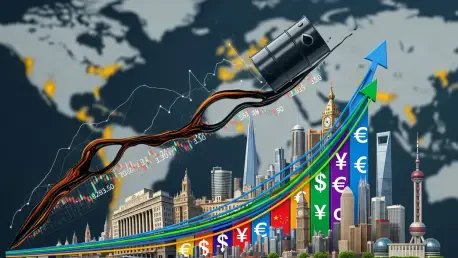

The sudden revitalization of diplomatic channels in the Middle East has catalyzed a significant shift across international financial corridors as investors pivot toward optimism. US-mediated discussions between Israeli and Lebanese officials, coupled with a potential framework for negotiations involving Iran, have effectively recalibrated risk assessments within the global economy. Major domestic indices, including the S&P 500 and the tech-heavy Nasdaq, have surged back to valuations not observed since the initial escalation of regional hostilities earlier this year. This upward momentum reflects a collective sigh of relief from market participants who had previously braced for a protracted energy crisis. As the threat of a full-scale blockade regarding the Strait of Hormuz appears to recede, capital is flowing out of safe-haven assets and back into equities. The resulting atmosphere suggests that geopolitical stability is once again being priced into the current fiscal landscape by major institutional traders. Furthermore, Asian and European markets mirrored this positive trend, signaling a broad-based recovery that transcends specific regional boundaries or sector limitations.
Shifting Energy Dynamics and Asset Reallocation
While broad market indices celebrated the easing of tensions, the energy sector experienced a divergent trajectory as crude oil prices retreated from the psychological threshold of one hundred dollars per barrel. In London, the FTSE 100 witnessed more modest gains compared to its international peers, largely due to the declining valuations of petroleum giants like BP and Shell. These companies, which had previously benefited from supply-side anxieties, found their profit outlooks adjusted in real-time as the geopolitical risk premium evaporated from the commodities market. Simultaneously, the US dollar, which typically gains strength during periods of global uncertainty, began to soften as the appetite for riskier assets returned to the forefront of trading strategies. This currency shift has provided additional breathing room for emerging markets and multinational corporations that rely on favorable exchange rates to maintain their operational margins. The current trend underscores how quickly sentiment can pivot when diplomatic breakthroughs replace military rhetoric. This reallocation of capital signifies a fundamental change in how investors are prioritizing growth over defensive positioning in the current financial quarter.
Economic Realities and Institutional Caution
Despite the immediate euphoria in the trading pits, institutional analysts and global energy authorities maintain a stance of measured caution regarding long-term sustainability. The International Energy Agency recently highlighted a sobering forecast for the second quarter, indicating a significant slump in crude demand that mirrored trends from the 2020 pandemic era. This phenomenon of demand destruction suggests that sustained high prices have already forced many industrial sectors to permanently scale back their consumption patterns. Meanwhile, quarterly earnings reports from banking institutions like JPMorgan Chase and Citigroup showed that while American consumers remained resilient through the early half of 2026, the underlying threat of revised corporate forecasts lingered. Stakeholders were encouraged to diversify portfolios away from pure-play energy stocks and toward sectors that thrive in stabilized interest rate environments. Strategic focus transitioned toward monitoring the finalization of diplomatic accords to ensure that initial market gains were supported by concrete policy shifts. Decision-makers prioritized hedging against potential setbacks in regional negotiations to secure gains while monitoring for signs of permanent economic cooling.