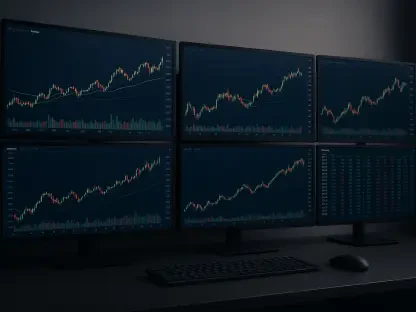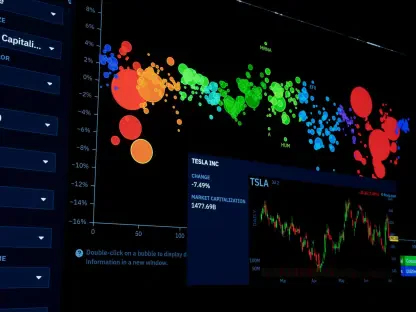

The traditional financial system is currently undergoing a radical metamorphosis as the boundaries between legacy stock exchanges and decentralized ledger technologies continue to blur into a cohesive digital framework. For decades, the process of settlement and clearing relied on a complex web of intermediaries, often resulting in delays that hampered the efficient flow of capital across international borders. Today, the integration of tokenized equity has begun to eliminate these friction points, allowing for near-instantaneous transaction finality and reducing the overhead costs associated with maintaining traditional registry systems. As major institutions move their primary listings onto private and public blockchains, the concept of a “trading day” is rapidly becoming an artifact of the past, replaced by a global, always-on environment where value moves with the same velocity as information. This shift fundamentally alters the risk profiles of participants by removing the T+2 settlement lag that once defined the industry.
The Operational Evolution of Asset Management
One of the most profound changes observed in the current landscape involves the elimination of market fragmentation through the use of smart contracts to automate corporate actions. In the past, events such as dividend distributions, stock splits, or voting rights required extensive manual intervention and reconciliation between multiple custodians and brokerage firms. By embedding these functions directly into the digital token representing the stock, companies now execute these actions automatically based on pre-defined parameters within the blockchain code. This level of automation significantly reduces the potential for administrative errors and ensures that all shareholders, regardless of their geographical location or the size of their holdings, receive their entitlements simultaneously. Consequently, the operational burden on back-office departments has shifted toward the oversight of algorithmic execution, allowing firms to reallocate resources toward more strategic growth initiatives.
Furthermore, the rise of tokenization has unlocked deep pools of liquidity that were previously trapped within regional silos or restricted by cumbersome cross-border regulatory hurdles. Institutional investors are increasingly utilizing specialized platforms to swap tokenized assets across different blockchain networks, creating a more interconnected global marketplace than ever before. This interconnectivity allows for better price discovery and reduces the bid-ask spreads that traditionally plagued less liquid securities or emerging market equities. Moreover, the ability to use tokenized stocks as collateral in decentralized finance protocols has created a new utility for equity holdings, enabling investors to generate additional yield or secure loans without having to liquidate their positions. This multi-layered utility of digital securities is attracting a new demographic of sophisticated traders who demand the flexibility and transparency that only a distributed ledger can provide.
Navigating the Future of Digital Securities
The transition toward a fully tokenized equity market required significant adjustments in how market participants approached security and compliance standards across different jurisdictions. Organizations that successfully navigated this shift prioritized the adoption of interoperable protocols that allowed for seamless asset transfers between diverse distributed ledger systems. They recognized that the true value of tokenization resided not just in the digitization of paper shares, but in the programmable nature of the assets themselves. By integrating compliance checks directly into the asset layer, these firms ensured that every transaction met the necessary legal requirements without sacrificing the speed or efficiency of the blockchain network. This proactive stance toward regulatory alignment provided a blueprint for other institutions, emphasizing that the marriage of innovation and governance was essential for stability. The industry eventually moved toward a model where protection was built into the trading infrastructure.
The industry finally achieved a level of maturity where the benefits of tokenized stocks were no longer a matter of debate but a proven reality of the modern financial landscape. Stakeholders focused their efforts on expanding the scope of tokenized offerings to include a broader range of asset classes and more sophisticated financial instruments. The development of robust cross-chain bridges and the standardization of token formats became critical priorities that prevented the global equity market from fragmenting into disconnected digital islands. Investors and fund managers sought out platforms that offered high levels of transparency and real-time auditing capabilities, which established new benchmarks for trust. Furthermore, the integration of artificial intelligence into the management of tokenized portfolios provided significant insights into market trends and improved risk mitigation. By embracing these technological synergies, the financial sector successfully built a more resilient system for global growth.