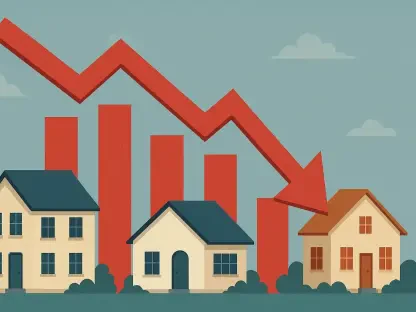

As the global financial landscape shifts toward a new equilibrium in 2026, many homeowners and investors across Australia find themselves questioning whether the long-anticipated correction in property values is finally at the doorstep. While the ghosts of the 2008 Global Financial Crisis continue to haunt the collective memory of international markets, the Australian context presents a unique set of variables that defy simple comparisons to past economic meltdowns. The velocity of price growth over the previous decade created a sense of vertigo among potential buyers, yet the underlying mechanisms of the domestic banking sector remain fundamentally different from the subprime mortgage environment that triggered the American collapse. Recent data suggests that while the market is cooling in certain high-density urban corridors, the catastrophic freefall predicted by some analysts has yet to materialize. Instead, the nation is witnessing a period of recalibration where high interest rates and increased living costs are forcing a more disciplined approach to borrowing and equity management.
Market Foundations: Regulatory Safeguards and Supply Constraints
One of the most significant factors separating the current Australian climate from the pre-GFC United States is the rigorous regulatory framework established by the Australian Prudential Regulation Authority. Throughout the early 2020s and into 2026, strict serviceability buffers ensured that borrowers could withstand significant increases in their monthly repayments without immediately defaulting on their loans. This proactive stance meant that even as interest rates climbed to levels not seen in a generation, the majority of mortgage holders possessed enough equity or financial flexibility to pivot their spending habits accordingly. Unlike the predatory lending that permeated the American market two decades ago, Australian lenders have maintained high standards for documentation and creditworthiness. This systemic robustness acts as a structural dam, preventing a trickle of localized defaults from turning into a flood of foreclosures that could destabilize the entire economy. These regulations remain the backbone of the current market stability.
Beyond the financial guardrails, the persistent imbalance between housing supply and a rapidly growing population continues to provide a floor for property valuations across the continent. With migration figures remaining robust through 2026, the demand for primary residences has consistently outpaced the rate of new construction, which has been hampered by rising material costs and labor shortages in the building sector. When supply is chronically constrained, even a significant decrease in buyer sentiment is often offset by the sheer necessity of shelter, preventing the sharp price drops associated with a true market crash. While luxury properties in Sydney or Melbourne might see notable pullbacks, the entry-level and middle-market segments remain buoyed by consistent competition from first-home buyers and institutional investors. This demographic pressure creates a unique safety net that historical market comparisons often fail to account for when forecasting a total collapse in the national housing index.
Strategic Navigation: Resilience and Long-Term Stability
While the total volume of household debt in Australia remains among the highest in the developed world, the composition of that debt and the associated offset account balances provide a more nuanced picture of financial health. By the start of 2026, many households had built substantial liquidity buffers, utilizing the prior period of low rates to pay down principal or park excess cash in accounts that reduce their interest obligations. This behavior created a form of self-insurance against the volatility of the current economic cycle, allowing families to absorb the impact of higher inflation without being forced into distress sales. Moreover, the prevalence of variable-rate mortgages in Australia means that monetary policy transmits much faster than in countries with fixed-term dominance, allowing for more reactive shifts in household spending patterns. This rapid feedback loop enables more precise adjustments, reducing the likelihood of the central bank inadvertently triggering a deep recession.
Looking back at how the most successful market participants navigated this period of uncertainty, it became clear that diversification and proactive risk management were the essential tools for survival. Those who conducted thorough stress tests on their debt-to-income ratios found themselves better prepared for the fluctuations that defined the mid-2020s. Investors prioritized properties with high utility and proximity to established transit corridors, which historically maintained their value better than speculative outer-suburban developments. Governments that fast-tracked zoning reforms and incentivized sustainable building practices were able to mitigate some of the most severe supply constraints, creating a blueprint for resilient urban planning. Ultimately, the transition from a speculative boom to a more sustainable growth model provided a necessary reality check for the entire industry. By focusing on fundamental economic drivers rather than short-term hype, stakeholders ensured that the housing market remained stable.