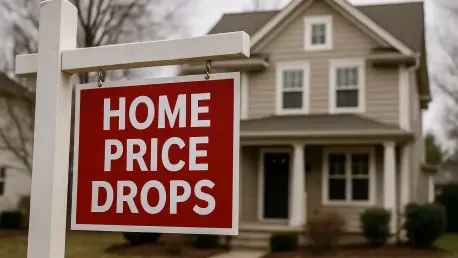

After several years of unprecedented and often unsustainable price appreciation that reshaped the nation’s housing landscape, a significant market rebalancing is anticipated for 2026. For countless prospective homebuyers who have been sidelined by record-high costs, fierce bidding wars, and a pervasive sense of futility, this impending shift represents a crucial window of opportunity. The frenetic, seller-dominated conditions that defined the recent past are expected to give way to a period of normalization, characterized by slowing price growth on a national level and, more critically, notable price declines in key metropolitan areas. This correction is not being viewed as a catastrophic crash but rather as a necessary return to a more sustainable and balanced market where fundamentals like local economic conditions, inventory levels, and buyer purchasing power regain their rightful influence. The central theme of the coming year will be a recalibration of market dynamics, offering relief to strained buyers while demanding a new level of strategic thinking from sellers.
A National Market Reaching an Inflection Point
The overarching trend for the U.S. housing market in 2026 is one of moderation, a stark departure from the double-digit price hikes that recently became commonplace. The national year-over-year price growth is projected to slow to a modest 2.2%, but this seemingly gentle figure conceals a more dramatic and varied reality at the local level. A comprehensive forecast reveals that nearly one-quarter of the country’s 100 largest housing markets are anticipated to experience an actual reduction in home prices. This cooling trend is fundamentally driven by the immense pressure on affordability that has been building for years. A potent combination of elevated home prices, persistently high mortgage rates, and the escalating ancillary costs of homeownership, such as property taxes and insurance premiums, has stretched the financial capacity of potential buyers to its absolute limit. The market is now responding to this strain, moving toward a necessary equilibrium where prices better align with what buyers can realistically afford, signaling a healthier and more sustainable path forward for the real estate sector.
While the national average suggests a slight increase, the more telling story lies in the specific metropolitan areas poised for a downturn. The forecast identifies ten key markets, heavily concentrated in coastal states that saw some of the most intense price surges, as the epicenters of the coming price decline. Cape Coral, Florida, is projected to experience the most significant drop in the nation, with an anticipated double-digit price plunge of -10.2%. Following closely is another Florida metro, North Port, with an expected decrease of -8.9%. The trend extends to the West Coast, with Stockton, California, facing a forecast decline of -4.1%, Sacramento at -3.3%, and even the perennially expensive San Francisco market softening by -2.5%. Other notable cities on the list include Raleigh, North Carolina (-3.7%), Spokane, Washington (-3.5%), and Denver, Colorado (-3.4%). The Florida cities of Deltona and Tampa are both expected to see prices dip by -3.6%, rounding out a list that highlights a significant regional correction after a period of supercharged growth.
The Epicenters of the Price Correction
Florida has emerged as the primary ground zero for the anticipated market correction, with four of its major metropolitan areas featuring prominently among the top ten cities facing price drops. According to senior economic research analysts, these markets are already exhibiting clear signs of cooling from their pandemic-era peaks, a downturn attributed to a powerful convergence of economic forces. The massive influx of new residents and remote workers during the pandemic created a surge in demand that propelled prices to unsustainable heights, and this boom is now undergoing a natural and expected correction. Furthermore, the total cost of homeownership in the state has escalated dramatically. Beyond high home prices and mortgage rates, buyers are now forced to contend with soaring insurance premiums, partly due to increased climate-related risks, which is significantly weighing down buyer demand. A particularly critical factor contributing to this trend is the state’s condo market. In the aftermath of the Surfside condominium collapse, new safety legislation has mandated increased funding for building maintenance, leading to substantial hikes in homeowner association special assessment fees and making condo ownership far more expensive, a dynamic that has pulled down statewide median listing prices.
The cooling trend is not confined to the Southeast; it extends across the country to several key Western markets that also experienced extreme price appreciation. California, another state defined by its high-cost real estate, has three cities projected to see prices soften, with Stockton leading the state’s decline at -4.1%. This adjustment comes after years of rapid gains that have severely stretched affordability for the average buyer. In Denver, Colorado, a projected 3.4% price decline is attributed to a unique set of local factors. Real estate experts in the area point to a significant increase in the construction of multifamily housing, such as condos and townhomes. These properties typically have lower price points, and their growing prevalence in the sales mix is effectively pulling down the overall median home price for the metro area, even if single-family home values remain more stable. Additionally, a widening affordability gap has made renting a more financially viable option for many low-income households, reducing demand for entry-level homes. Shifting migration patterns, with residents moving from Denver’s urban core to surrounding counties in search of more space, have also helped to redistribute demand and cool prices within the core city, signaling a market normalization rather than a collapse.
Redefined Realities for Buyers and Sellers
The forecast’s overarching conclusion was that 2026 ushered in a distinctly more buyer-friendly environment in these specific cooling markets, presenting a significant opportunity for those who had been frustrated by years of bidding wars and scarce options. This market shift provided prospective homebuyers with substantially more leverage, including greater negotiating power, a wider inventory of homes to choose from, and a notable increase in sellers willing to offer concessions to close a deal. The combination of increased supply and decreased competition allowed buyers to be more deliberate and discerning in their purchasing decisions, moving away from the frenzied, high-pressure environment of the recent past. This rebalancing allowed for a more thoughtful approach to what is, for most people, the largest financial decision of their lives. The market dynamics in these key cities had finally tilted back toward the purchaser, creating a landscape where thorough inspections, careful consideration, and strategic offers became the norm once again.
Conversely, the market adjustment required that sellers in these metropolitan areas fundamentally recalibrate their expectations and strategies. The era of simply listing a home and expecting a flurry of offers significantly above the asking price was decidedly over, and a new sense of realism became paramount for a successful transaction. Navigating this new landscape demanded a strategic approach, beginning with pricing the home competitively from the very start. Overpricing a property quickly proved to be a costly mistake, often leading to the home sitting on the market for an extended period, which ultimately necessitated deeper price cuts and weakened the seller’s negotiating position. A comprehensive understanding of current, localized market conditions and a newfound willingness to negotiate became essential tools for sellers. This market rebalancing signified a return to fundamentals, where a property’s true value, its condition, and a smart pricing strategy were once again the essential keys to achieving a successful sale.