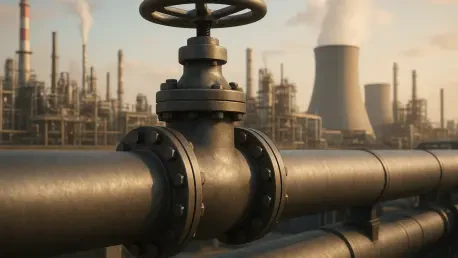

The intersection of energy development and environmental stewardship does not have to be a choice between a healthy ecosystem and a robust industrial economy. This fundamental principle served as the cornerstone of a recent field hearing conducted by the Pennsylvania House Republican Policy Committee in North Huntingdon Township. Lawmakers, industry leaders, and policy experts gathered to deliberate on the state’s current trajectory within the competitive Mid-Atlantic energy market. The hearing, titled “Powering PennsylvaniAn Affordable, Reliable Energy Future,” explored the intricate dynamics of maintaining grid stability while fostering an environment conducive to private investment. As the Commonwealth navigates the complexities of modern energy demands, the discussion highlighted a growing urgency to align state regulations with the practical realities of production and distribution. By examining the successes and shortcomings of existing policies, the committee sought to chart a course that leverages Pennsylvania’s vast natural resources to ensure long-term prosperity for all residents.
Economic Vitality and Policy Integration
The Intersection: Energy and Commerce
Energy policy is increasingly viewed as the primary driver of broader economic strategy within the Commonwealth. During the hearing, experts from Americans for Prosperity–Pennsylvania and various trade organizations articulated a clear consensus: the cost and availability of energy are the most significant factors in the decision-making processes of modern firms. Whether a massive manufacturing plant or a high-tech data center, the certainty of affordable power determines where capital is deployed and where jobs are created. Lawmakers recognized that for Pennsylvania to remain a top-tier destination for industrial growth, the state must transition away from viewing energy as a siloed regulatory issue. Instead, the focus has shifted toward integrating energy production into a comprehensive plan for economic vitality. This approach ensures that the state’s natural advantages are fully utilized to lower overhead costs for businesses, thereby encouraging a more robust and competitive marketplace for both domestic and international investors.
The relationship between affordable energy and the financial health of private households was another pivotal theme addressed by the committee members. It was argued that the benefits of a strong energy sector are not limited to large-scale industrial users but extend directly to the utility bills of every Pennsylvanian family. High energy costs act as a regressive tax, disproportionately impacting low-income residents and small business owners who operate on thin margins. Consequently, the lawmakers emphasized that any energy policy must prioritize the dual goals of reliability and affordability to maintain public support for industrial expansion. By leveraging the state’s proximity to the Marcellus Shale and its historical strength in coal production, the Commonwealth has the potential to keep local energy prices significantly lower than those in neighboring states. This competitive advantage is seen as essential for retaining the existing workforce while simultaneously attracting new residents who seek a lower cost of living in an increasingly expensive national economy.
Financial Impact: The Legacy of Natural Gas
The transformative impact of natural gas development remains one of the most successful economic stories in the history of Pennsylvania’s resource management. Representatives from the Marcellus Shale Coalition and the Citizens Energy Council provided data showing that utility gas supply costs have plummeted by over fifty percent since the initial drilling boom began in 2008. These reductions have resulted in nearly ten billion dollars in cumulative savings for residential and commercial consumers across the state in a single year alone. This massive influx of affordable energy has served as a silent stimulus for the regional economy, allowing families to redirect their earnings into other sectors. However, the committee warned that these historical gains are not guaranteed to persist without active support for the industry. The ongoing discussion focused on the need for stable regulatory frameworks that acknowledge the environmental progress made through natural gas while protecting the economic engine that has defined the state’s energy profile.
Expanding the state’s energy infrastructure is considered a prerequisite for maintaining the economic momentum generated by natural gas and coal production. Industry advocates testified that without additional pipelines and high-voltage transmission lines, much of the Commonwealth’s energy potential remains trapped at the source. This logistical bottleneck not only limits the state’s ability to export surplus power to the broader Mid-Atlantic region but also creates localized price spikes where demand outpaces delivery capacity. The hearing participants called for a renewed focus on streamlining the approval process for midstream projects, which are often the target of prolonged litigation and regulatory stall tactics. By facilitating the construction of modern infrastructure, Pennsylvania can ensure that its energy reaches the market efficiently and safely. This strategic expansion is viewed as a necessary step to transform the state from a mere producer into a regional powerhouse that supports the stability of the entire PJM Interconnection while securing significant tax revenue for local communities.
Regulatory Reform and Market Competitiveness
Permitting Bottlenecks: A Barrier to Growth
The current state of the permitting process in Pennsylvania was identified as a major deterrent to long-term capital investment and industrial development. Testifiers highlighted that the cost of uncertainty caused by overlapping reviews and bureaucratic delays often forces companies to abandon projects in favor of more efficient jurisdictions. In the fast-moving energy market, delays of months or years can render a project economically unviable before construction even begins. Lawmakers discussed the necessity of implementing firm, statutory deadlines for permit decisions to provide developers with the predictability they need to secure financing. Furthermore, there was strong support for the creation of one-stop permitting centers that would consolidate various state agency reviews into a single, coordinated process. By eliminating redundant oversight that often mirrors federal requirements, the Commonwealth can significantly reduce the time-to-market for new energy facilities. This reform is seen as a critical component of a broader strategy to improve Pennsylvania’s competitive standing.
The impact of these regulatory delays extends beyond individual projects, affecting the reliability of the regional power grid managed by the PJM Interconnection. Experts noted that as older power plants are retired, the slow pace of approving new generation and interconnection projects creates a dangerous gap in available capacity. This situation heightens the risk of energy shortages during periods of extreme demand, such as severe winter storms or summer heatwaves. Committee members argued that the state must adopt a more aggressive posture toward permitting reform to ensure that new, efficient power sources can come online before existing baseload capacity is lost. The discussion also touched on the need for legislative guardrails to prevent executive agencies from using the permitting process as a tool for de facto bans on certain types of energy production. By prioritizing speed and transparency, Pennsylvania can restore investor confidence and ensure that the regional energy market remains stable, affordable, and capable of meeting the needs of a growing population and industrial base.
Strategic Oversight: Reliability and Stewardship
The committee also addressed the strategic importance of coal in maintaining a balanced and reliable electric grid across the Commonwealth. Testifiers pointed out that Pennsylvania remained the third-largest coal producer in the United States, providing a critical source of baseload power that guarded against price volatility. They argued that the premature retirement of coal-fired generation facilities contributed to rising retail electricity prices and threatened the overall stability of the regional energy supply. The panel reached a consensus that these essential power sources should not have been phased out without the presence of adequate, operational, and equally reliable replacements. By examining the correlation between reduced supply and sudden price spikes, lawmakers highlighted the necessity of protecting existing infrastructure from aggressive regulatory mandates. This perspective underscored a commitment to resource diversity, ensuring that the state did not become overly dependent on a single energy source at the expense of consumer affordability.
The hearing concluded with a focused discussion on the rise of lawfare and the tactical use of legal challenges to obstruct vital energy projects. Participants examined how well-funded interest groups utilized regulatory channels and local setback requirements to delay infrastructure development until investors withdrew their support. To counter these obstacles, the committee proposed the implementation of judicial and legislative guardrails designed to prevent the weaponization of the permitting process. Furthermore, the experts challenged the false dichotomy between industrial growth and environmental protection, advocating for technological innovation over restrictive mandates. The session served as a call to action for the General Assembly to prioritize streamlined permitting through programs like SPEED and to pass the REINS Act to restore oversight. By fostering a climate of regulatory humility and transparency, the Commonwealth aimed to secure its position as a regional energy leader, providing a clear roadmap for future economic and manufacturing expansion.