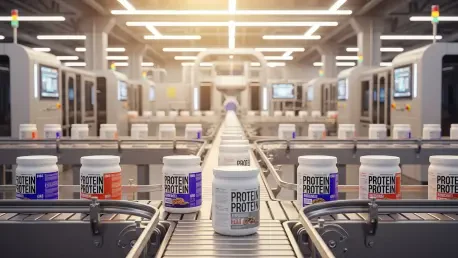

The rapid transformation of whey protein from a humble industrial byproduct into one of the most sought-after commodities in the American food supply chain has caught many dairy processors off guard as demand outpaces current manufacturing capacity. This unprecedented shift is not merely a result of fitness fads but represents a fundamental change in how Americans consume nutrients, driven largely by the intersection of social media trends and new medical advancements. The rise of “protein-maxxing,” where consumers prioritize high-protein intake to optimize physical performance, has moved from the fringes of bodybuilding into the mainstream consumer consciousness. Concurrently, the mass adoption of GLP-1 weight-loss medications has fundamentally altered nutritional requirements for millions of patients who now require concentrated protein sources to prevent muscle wasting. These combined forces have created a perfect storm, where the liquid gold once drained away during cheesemaking is now the primary driver of market growth and industrial strain.
The Biological and Industrial Limitations of Whey Production
The core of the current supply crisis lies in the immutable biological reality of dairy processing, which dictates that whey cannot exist as a primary manufactured product. Instead, it remains a direct byproduct of the cheesemaking process, meaning that any increase in whey protein isolate production necessitates a corresponding increase in cheese output. This rigid supply-chain link prevents manufacturers from simply scaling their protein operations in response to skyrocketing prices without also finding a profitable destination for the resulting cheese. This structural interdependence creates a complex balancing act for processors who must navigate two distinct markets that do not always experience synchronized growth. Consequently, even as protein prices hit record levels, the total volume of available whey remains capped by the nation’s existing cheese production targets, leaving the market in a state of perpetual deficit that cannot be easily solved by traditional manufacturing adjustments alone.
Beyond the biological constraints, the physical infrastructure required to convert liquid whey into a high-purity powder is both specialized and prohibitively expensive to implement on short notice. Most American dairy facilities were built for a different era of consumption, focusing on liquid milk and bulk cheese rather than the advanced micro-filtration and drying technology needed for high-quality protein isolates. Upgrading a legacy plant to handle modern filtration standards can require a capital investment exceeding fifteen million dollars, while the construction of a new, large-scale industrial facility often demands hundreds of millions. These projects are further complicated by lengthy regulatory approval processes and the specialized engineering required to meet stringent food safety standards for processed powders. The long lead times for these expansions—often spanning several years—mean that the industry is currently operating on infrastructure that was never designed to accommodate the explosive demand spikes seen since early 2026.
Economic Volatility and Market Diversification
The economic fallout of these structural bottlenecks is most visible in the rapid depletion of national inventories, which have reached critical lows across the United States. Recent market data indicates that whey protein stocks have plummeted by nearly fifty percent since 2023, leaving many suppliers in the uncomfortable position of having sold out their entire annual production capacity months in advance. This scarcity has triggered a dramatic surge in prices for whey protein isolate, forcing food manufacturers to reconsider their formulation strategies or absorb significantly higher input costs. However, before major processors commit to the massive capital loans required for expansion, they are seeking “bankable demand” in the form of guaranteed, multi-year contracts from food and beverage giants. This requirement creates a stalemate, as buyers are often hesitant to lock into high-priced contracts during a period of market volatility, yet without these commitments, the necessary industrial expansion remains financially out of reach.
The “protein-ification” of the American diet has moved well beyond the specialized supplement aisle and is now a defining feature of the broader retail and food service landscape. Major fast-casual restaurant chains have overhauled their menus to highlight high-protein bowls, while grocery store shelves are increasingly stocked with protein-fortified versions of traditional staples such as frozen waffles, ice cream, and even ready-to-drink coffee. This widespread integration suggests that the current appetite for dairy derivatives is not a passing trend but a permanent shift in consumer behavior that prioritizes functional nutrition over traditional caloric intake. As consumers become more educated about the metabolic benefits of protein, they are demanding higher concentrations in every meal, placing a sustained and heavy burden on the dairy supply chain. This shift has forced a total re-evaluation of the dairy sector’s value proposition, where the protein components of milk are now often viewed as more valuable than the fat or fluid milk components.
Strategic Investments and the Path Toward Capacity Expansion
In an effort to address these long-term shortages, the American dairy industry has initiated a massive wave of capital investment, totaling approximately eleven billion dollars in new manufacturing projects. This comprehensive five-year expansion plan is designed to modernize the national infrastructure and significantly boost the domestic capacity for both cheese and protein production. While large-scale cooperatives are leading the majority of these initiatives, the current environment has also created a unique opportunity for smaller regional processors to gain a foothold in the market. By investing in agile, high-tech facilities that can be brought online more quickly than massive industrial complexes, these smaller players are positioning themselves to capture market share while larger competitors remain bogged down in multi-year construction cycles. These strategic moves are essential for stabilizing the supply chain and ensuring that the United States can maintain its role as a global leader in high-quality dairy protein production.
The industry successfully recognized that the era of treating whey as a secondary concern had officially ended, necessitating a fundamental pivot in operational philosophy. Strategic planners moved beyond temporary fixes and instead focused on building a resilient ecosystem that integrated advanced filtration technology into every stage of the production cycle. Producers who prioritized long-term contract stability over short-term spot market gains managed to secure the financing needed for these generational upgrades, ultimately stabilizing the volatile pricing environment. This transformation highlighted the importance of foresight in industrial planning, as the gap between consumer demand and infrastructure capacity was only bridged through massive, coordinated capital deployment. Moving forward, the focus shifted toward maintaining this expanded capacity while continuing to innovate in the realm of specialized dairy derivatives. The resulting infrastructure provided the necessary foundation to meet the nutritional demands of a health-conscious population, ensuring the dairy sector remained a cornerstone of American nutrition.