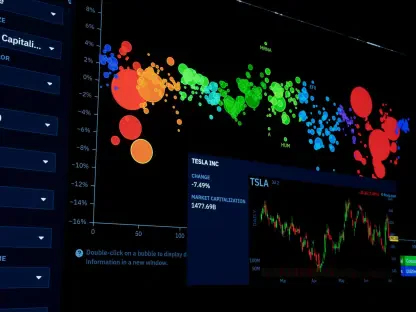

Nasdaq-100 futures jumped by 0.77% during the overnight session as investors reacted to the cooling of geopolitical tensions and the prospect of a new Middle Eastern deal. This upward trajectory suggests a significant pivot in market sentiment as traders move away from defensive positioning toward a more aggressive risk-on approach at the start of August. The momentum was largely sustained by the robust performance of technology giants during the final days of the previous month, where heavyweights like Microsoft (MSFT) and Amazon (AMZN) managed to soothe nerves regarding the massive capital allocations required for artificial intelligence development. As the S&P 500 and Dow Jones Industrial Average futures also trended higher, the broader financial landscape appeared ready to embrace a period of renewed growth. This collective optimism served as a necessary counterbalance to the previous weeks of uncertainty, effectively setting the stage for what many hope will be a sustained rally through the remainder of the quarter.
Diplomatic Transitions and Global Risk Mitigation
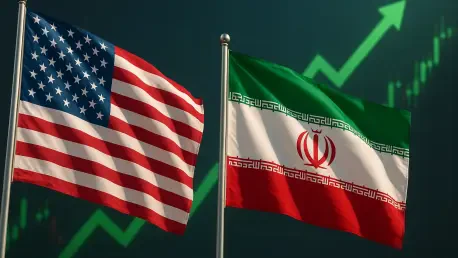
The sudden shift in the geopolitical relationship between the United States and Iran has emerged as a primary catalyst for the current market optimism, drastically altering the risk assessment profiles used by global investment houses. Over the weekend, the administration opted to cancel a planned military strike, choosing instead to prioritize a diplomatic route following extensive consultations with regional allies. This decision to seek a comprehensive deal rather than engaging in direct confrontation has significantly reduced the immediate threat of a wider conflict that could have destabilized the global economy. By emphasizing a “deal” that includes the total reopening of the Strait of Hormuz and a permanent resolution to nuclear concerns, the government has provided the markets with a sense of clarity that was previously absent. Consequently, the geopolitical risk premium that often plagues international trade has begun to dissipate, allowing capital to flow back into traditional equities and away from defensive havens.
Beyond the immediate avoidance of conflict, the long-term implications of these negotiations suggest a fundamental reorganization of Middle Eastern trade relations that could benefit the global supply chain for years to come. The prospect of a finalized agreement has already influenced currency markets, where the dollar has shown resilience against a basket of major peers. Investors are now looking at the upcoming Monday afternoon negotiations as a potential turning point for international diplomacy, one that might replace decades of hostility with a workable economic framework. This shift is particularly important for the technology and manufacturing sectors, which rely heavily on stable trade routes and predictable energy costs to maintain their production schedules. As these diplomatic talks progress, the emphasis remains on securing a verifiable commitment from all parties involved to ensure that the current lull in hostilities transforms into a lasting period of regional stability. This development would likely provide a multi-month tailwind.
Energy Market Volatility and Corporate Innovation
The immediate reaction to the announced diplomatic pivot was most visible in the commodities sector, where global oil prices experienced a sudden and substantial retreat from their recent highs. Both Brent and West Texas Intermediate futures witnessed sharp declines of nearly five percent as the fear of supply disruptions in the critical Strait of Hormuz region began to fade. This contraction in energy prices serves as a significant relief valve for a global economy that has been struggling with fluctuating operational costs. For investors, the drop in crude prices is interpreted as a strong disinflationary signal, potentially easing the pressure on the Federal Reserve to maintain restrictive interest rate policies. The United States Oil Fund (USO) has also come under pressure, reflecting the market’s collective belief that the era of extreme price spikes may be reaching a plateau. As energy costs stabilize, corporate profit margins are expected to improve, particularly in the transportation and manufacturing industries.
As the summer earnings season reaches its peak, the focus has shifted toward individual corporate narratives that highlight the resilience of the American private sector in a changing global environment. With over seventy percent of the S&P 500 companies having already reported their quarterly results, the overarching theme remains one of better-than-expected performance in the face of macroeconomic headwinds. This week, the spotlight falls on technology leaders like Advanced Micro Devices (AMD) and Palantir Technologies (PLTR), both of which are viewed as barometers for the health of the semiconductor and artificial intelligence sectors. The consensus estimates for operating earnings growth have been revised upward, reflecting a positive outlook for the remainder of the fiscal year. These results are particularly important because they validate the high levels of capital expenditure seen in previous quarters, proving that the investment in next-generation computing power is beginning to yield tangible financial returns for stakeholders.
Macroeconomic Trajectories and Strategic Conclusions
The culmination of this high-stakes week will be the release of the July monthly jobs report, which remains the most anticipated macroeconomic data point for global investors. Market analysts are looking for a significant rebound in employment figures to confirm that the slight cooling observed in earlier months was a temporary seasonal anomaly rather than a sign of a structural slowdown. Parallel to this, the performance of consumer giants like McDonald’s (MCD) and Costco (COST) will provide essential data on the resilience of American household spending. Interestingly, retail sentiment has shown a fascinating divide; while the Dow-tracking ETF enjoys bullish support, retail traders remain cautious regarding the Nasdaq and S&P 500 ETFs, suggesting a lingering skepticism despite recent price gains. This contrast highlights a market that is still grappling with the balance between corporate growth and economic uncertainty. By synthesizing these diverse data points, investors can form a more complete picture of the financial forces at play.
Strategic positioning during this transitional period required a focus on sectors that benefited from reduced geopolitical friction and stabilized energy costs. It was prudent for market participants to prioritize diversification, particularly into infrastructure and specialized tech firms like Critical Metals Corp (CRML) and IonQ (IONQ), which demonstrated unique growth potential regardless of broader market trends. The conclusion of the week emphasized that staying agile was the most effective solution for navigating the complexities of the current fiscal landscape. Future considerations involved closely monitoring the finalized terms of the Middle Eastern diplomatic deals, as these would likely dictate the baseline for global trade stability for the coming years. By adopting a proactive stance and reacting to verifiable data, investors were able to protect their capital while capitalizing on the momentum of the summer rally. This disciplined approach served as a foundational strategy for those looking to maintain growth in a promising environment.