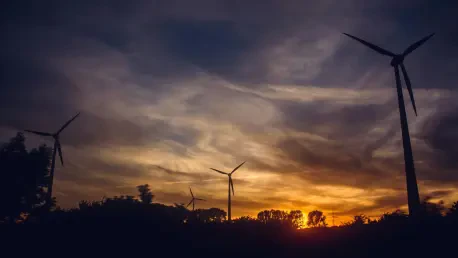

A federal directive halting a major offshore wind project has ignited a high-stakes debate over the delicate balance between regulatory review and the nation’s energy security. In a forceful response to a 90-day stop-work order from the U.S. Department of the Interior, Dominion Energy has publicly contested the suspension of its Coastal Virginia Offshore Wind (CVOW) project. The company asserts that this delay is not merely a procedural setback but a direct threat to American national security and the stability of the electrical grid. This confrontation comes as Virginia experiences what Dominion describes as the fastest-rising energy demand in the country, a surge fueled by a unique concentration of critical infrastructure. This includes the world’s largest warship manufacturer, a massive hub of global data centers, and the burgeoning systems that power artificial intelligence advancements. The company’s statement frames the CVOW project as an indispensable component in meeting these escalating power requirements, suggesting that any interruption could have far-reaching consequences beyond the energy sector itself.
The Economic and Grid Stability Nexus
Dominion’s warning extends beyond abstract security concerns, painting a stark picture of the potential fallout from a prolonged project suspension. The company has articulated that such a halt could trigger a cascade of negative effects, beginning with the immediate loss of thousands of jobs tied directly to the project’s construction, manufacturing, and long-term operation. This economic disruption, Dominion argues, would be compounded by the threat of significant energy inflation. By impeding a major new source of power generation while demand continues its unprecedented climb, the halt would place immense pressure on existing energy resources, likely driving up electricity costs for military, commercial, and residential customers across the state. Central to this argument is the profound risk posed to the stability of the power grid itself. This is not a generic concern; it is a direct threat to a grid supporting the nation’s most vital assets. An unreliable power supply could jeopardize operations at the country’s primary warship manufacturer, disrupt the vast network of data centers that form a backbone of the digital economy, and stall the progress of power-intensive artificial intelligence systems, creating a vulnerability with national implications.
A Decade of Development and Security Oversight
In its defense of the CVOW project, Dominion has emphasized its long and meticulous development process, underscoring that the initiative is not a recent or untested venture. The company highlights its status as an American-owned and customer-funded endeavor, distinguishing it from projects with foreign backing that might raise different security questions. The broader conflict over the CVOW project ultimately underscored the growing tension between regulatory processes and the pressing need for new energy infrastructure to support critical national interests. This specific case became a focal point for a larger national conversation about how to balance thorough environmental and security reviews with the accelerated timelines required to modernize the grid and meet the soaring energy demands of the digital and defense sectors. The resolution of this standoff was seen as a precedent for how future large-scale renewable energy projects, particularly those located near sensitive military and economic hubs, would be navigated. The debate it ignited brought to the forefront the complex challenge of securing the nation’s energy future in an era of rapid technological advancement and heightened geopolitical awareness.