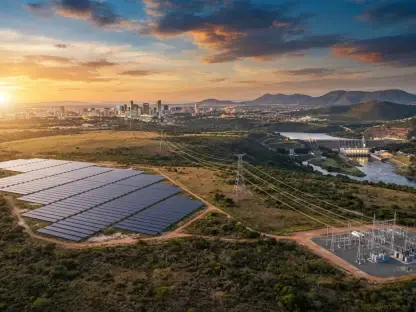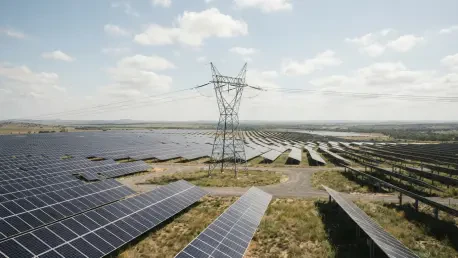

The geographical gap between remote generation sites and urban consumption centers has turned transmission infrastructure into a primary target for international debt. FMO, the Dutch entrepreneurial development bank, recently unveiled a strategic roadmap that seeks to expand its financial footprint in Peru tenfold, increasing its exposure from $200 million to a massive $2 billion. This decision reflects profound confidence in Peru’s macroeconomic resilience and its investment-grade status, which provides a stable environment for large-scale capital deployment. As the nation moves toward a more sustainable energy matrix, the bank is positioning itself as a vital partner for both private developers and the state. This capital influx is not merely a theoretical projection but a response to a tangible pipeline of projects currently maturing within the local market. By focusing on bankable initiatives, the institution aims to accelerate the transition away from fossil fuels while ensuring resources are effectively harnessed through sophisticated financial mechanisms.
The Landscape of Opportunity: Analyzing the Project Pipeline
The sheer scale of the opportunity currently presenting itself in Peru is evidenced by the massive volume of renewable energy projects waiting in development. According to recent data from the Economic Operation Committee of the System, there is a staggering 22,701 MW of solar and wind projects that have already secured approved Pre-Operational Studies. Within this vast universe of potential, fourteen initiatives representing approximately 2,772 MW are estimated to come online during the 2026 and 2027 cycle. Major international players such as Engie, Acciona, and Zelestra are actively vying to solidify their presence in a market that is rapidly shifting toward cleaner alternatives. This concentration of interest from global energy giants underscores the region’s suitability for high-capacity generation. However, the success of these ventures depends heavily on the synchronized development of supportive infrastructure to handle the increased load.
FMO’s strategic interest extends far beyond the simple generation of power to include the essential modernization of the electrical grid. The bank is specifically targeting investment opportunities in transmission infrastructure and energy storage solutions to bridge the physical distance between production sites and metropolitan consumers. By financing transmission lines through concession-based models, the institution helps eliminate the primary structural bottlenecks that often stall renewable energy integration. These models allow for long-term debt structuring that matches the extended lifecycles of transmission assets, providing a level of financial security that attracts further private investment. This holistic approach recognizes that generating clean electricity is only half the battle; the ability to deliver that power reliably and efficiently to the end-user is what truly defines a modern grid. Consequently, the bank’s capital is being directed toward projects that reinforce the entire energy value chain.
Defining the Pillars: Criteria for International Bankability
For a project to move from a conceptual proposal to a funded reality, FMO applies a stringent set of criteria designed to mitigate risk and ensure long-term viability. The most critical factor in this assessment process is the developer’s experience and history within the specific market. The bank prioritizes partnerships with entities that possess a proven track record of delivering complex infrastructure within the Peruvian regulatory landscape. If a developer is an international firm, the institution looks for a strong association with local partners who understand the specific social and legal nuances of the region. This focus on local expertise ensures that potential roadblocks, such as community relations or land acquisition issues, are managed with cultural sensitivity and legal precision. By vetting the participants so thoroughly, the bank creates a layer of protection for its capital while simultaneously elevating the standard of project execution across the entire domestic renewable energy sector.
Beyond the technical expertise of the participants, the financial structure—specifically the Power Purchase Agreement—is the heartbeat of any major energy investment. FMO evaluates the duration of these contracts and the overall predictability of the revenue stream with extreme scrutiny. While the Peruvian government has been debating 10-to-15-year contracts for regulated tenders, the bank and many major developers argue that 20-year agreements are necessary to significantly improve bankability. Longer contract terms allow for more competitive financing rates and better alignment with the long-term amortization of renewable assets like wind turbines and solar arrays. In the world of project finance, where debt repayment is tied directly to the asset’s cash flow, the terms of these agreements can make or break the feasibility of a billion-dollar expansion. Negotiating these durations remains a primary focus for stakeholders looking to secure the massive capital required for the national transition.
Regulatory Navigation: The Impact of New Energy Frameworks
The path to achieving $2 billion in investment is intrinsically linked to the regulatory environment managed by the Peruvian Ministry of Energy and Mines. The industry is currently in a state of high anticipation, awaiting the approval of new regulations under Law No. 32249, which are intended to modernize electricity tenders and ancillary services. These updates are expected to open the door for greater participation of solar and wind technologies in the regulated market, provided the frameworks are clear and predictable. However, there is a visible tension between the government’s current proposals and the desires of private industry regarding the length of energy supply commitments. While the ministry eyes shorter terms to maintain flexibility, global developers emphasize that longer horizons are essential to recover high initial capital expenditures. Navigating these regulatory waters requires a delicate balance between public policy goals and the financial realities of international lending institutions.
A significant debate has also emerged regarding the specific rules of engagement for future energy tenders. Some companies advocate for processes that prioritize entirely new projects to ensure the growth of the country’s total installed capacity and prevent stagnation. Conversely, established players argue that existing plants should be allowed to compete in these processes to maintain a level playing field and utilize existing infrastructure more efficiently. FMO maintains a strictly objective stance in this debate, noting that while government tenders are a primary path for development, they are not the only way to secure necessary financing. The bank highlights that a diverse energy market should accommodate both new builds and the optimization of existing assets to ensure a resilient power supply. This perspective encourages a more inclusive market design that can attract a wide range of investors, from venture capitalists seeking new ground to conservative funds looking for stable, existing operations.
Financial Versatility: Innovative Debt Structures for Growth
One of the greatest strengths of the Dutch development bank is its ability to offer financial solutions that traditional commercial banks often cannot provide. Recognizing that regulatory processes for tenders can be slow or unpredictable, the institution has developed alternative corporate finance structures. This includes portfolio pooling, where multiple smaller projects are bundled together to create a single, more robust financing package that is more attractive to international creditors. This flexibility allows the bank to support projects that serve free clients, such as large industrial energy consumers who may only require shorter supply contracts of around five years. By aggregating these smaller commitments, the bank creates a diversified risk profile that protects the investment while still providing the necessary liquidity for developers. This innovative approach ensures that capital continues to flow into the sector even when large-scale government auctions face administrative delays.
Furthermore, the bank is increasingly willing to consider merchant projects, where a portion of the revenue is exposed to spot market prices rather than being entirely locked in a long-term PPA. While these projects carry a higher risk profile due to potential price volatility, the institution manages this exposure through more conservative debt coverage ratios and rigorous market analysis. They also utilize specialized instruments like mini-perm loans, which are shorter-term financing tools used during the high-risk construction phase. Once the plant is operational and generating steady cash flow, these loans can be refinanced into long-term debt or bonds. By offering these diverse and sophisticated products, the bank fills critical gaps in the market that might otherwise stall the development of vital infrastructure. This financial versatility is essential for adapting to a market that is transitioning away from rigid, state-led models toward a more dynamic and competitive private energy landscape.
Technological Evolution: Storage and Sustainable Infrastructure
Looking ahead, the next frontier for the Peruvian energy sector is the widespread integration of Battery Energy Storage Systems. Current estimates suggest a significant potential for up to 2 GW of solar power to be accompanied by battery storage in the coming years. However, the full realization of this potential is currently pending the finalization of ancillary services regulations expected by the end of 2026. This regulation is crucial because it will define how battery systems are remunerated for the stability and flexibility they provide to the national grid. Without a clear price signal for services like frequency regulation or peak shaving, developers find it difficult to justify the added expense of storage technology. The bank is actively monitoring these developments, viewing storage as the missing piece of the puzzle that will allow variable renewable energy to compete directly with traditional baseload power plants on a much larger scale.
The strategic path established by international lenders focused on a comprehensive overhaul of the Peruvian energy framework through massive capital injections and rigorous standards. To ensure long-term success, stakeholders identified the necessity of finalizing the ancillary services regulations before the start of 2027 to unlock battery storage potential. Decision-makers also worked toward harmonizing the duration of power purchase agreements with the actual lifecycles of renewable assets to lower the cost of capital. By prioritizing transmission infrastructure alongside generation, the industry addressed the most pressing physical bottlenecks that once hindered regional development. These actions collectively shifted the market from a fossil-fuel dependency toward a diversified and resilient green matrix. The transition provided a clear blueprint for neighboring nations, demonstrating that bankable projects and stable regulatory environments were the most effective tools for national prosperity.