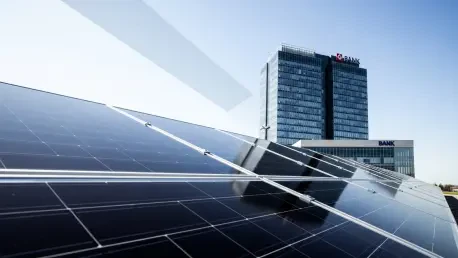

The intersection of global finance and the energy transition has historically been defined by distant capital allocations, yet a new paradigm is emerging where banks directly fund the very infrastructure that powers their own internal operations. This shift is exemplified by the sophisticated collaboration between Patria Bank and Alive Capital, which has effectively dismantled the wall between being a financier and being a consumer. By establishing a “closed-loop” ecosystem, these organizations have created a model where capital is not just lent out for a return but is instead recycled into physical assets like renewable energy plants. This methodology ensures that every dollar invested in the grid serves a dual purpose: supporting national decarbonization targets while simultaneously insulating the financial institution from the volatility of traditional energy markets. Such a synergy represents a move toward a more resilient and self-sustaining value chain that fundamentally changes the corporate landscape.
Transitioning Relationships: Beyond Traditional Lending Models
Traditional banking relationships in the energy sector were once confined to the provision of credit lines and project financing, but current market demands necessitate a move toward deep strategic alliances. By providing the essential capital for large-scale renewable projects, the bank secures a long-term, predictable supply of green energy for its national network of branches and administrative centers. This model ensures that sustainability is not just a high-level corporate social responsibility goal but a practical, daily reality that strengthens the economic stability of both organizations. When a bank becomes an anchor tenant of the energy projects it finances, it reduces the risk profile of the investment while ensuring that its own energy costs remain stable regardless of external geopolitical shifts. This integration allows both parties to share in the operational efficiencies of green power, creating a robust financial-industrial hybrid that serves as a template for other sectors.
Beyond the immediate financial benefits, this integration supports the broader energy transition by prioritizing certified green electricity through innovative tracking mechanisms. Through the use of Guarantees of Origin, the bank ensures its physical footprint aligns with modern environmental standards, fostering a genuine green economy. This transition is characterized by a move toward energy flexibility, allowing corporations to manage their carbon footprints more effectively while contributing to national climate objectives. By utilizing these certificates, the institution provides a transparent audit trail of its environmental impact, which is increasingly required by regulatory bodies and conscious investors alike. This focus on transparency reinforces the credibility of the bank’s sustainability claims, transforming its energy procurement from a simple utility expense into a core component of its brand value and operational integrity within the competitive financial marketplace.
Technical Integration: The Role of Hybridized Infrastructure
A critical component of this synergy is the move toward hybridized energy projects, such as the Vânători site, which represents the cutting edge of current European energy infrastructure. By combining wind turbines with photovoltaic plants and advanced battery energy storage systems (BESS), the partnership addresses the intermittency issues that have traditionally hindered the widespread adoption of renewable power. This technological sophistication allows for excess energy to be captured during peak production times and dispatched when demand is high or production is low, ensuring a steady and reliable flow to the grid. The integration of storage technology is particularly significant as it provides the bank with a “firm” power supply, mirroring the reliability of traditional fossil fuels without the associated carbon emissions. This hybrid approach optimizes the use of existing grid connections and land resources, making the transition more cost-effective and scalable for all parties involved.
The expansion of such projects demonstrates a clear trend toward diversified renewable portfolios that maximize land use and grid stability across diverse geographical regions. Facilities like the Valea Călugărească and Mărășeni photovoltaic plants further bolster this infrastructure, providing the capacity needed to meet the growing demand for clean power from the financial sector. This shift toward hybridization signifies a new era in energy management, where storage and production work in tandem to provide a more consistent energy supply. By investing in these diversified assets, the partners mitigate the risks associated with specific weather patterns, ensuring that the solar assets perform when wind speeds are low and vice versa. This geographic and technological diversification creates a balanced energy profile that is far more resilient to the fluctuations of the natural environment, providing a blueprint for the future of industrial-scale energy procurement and management.
Strategic Outcomes: Scaling Impact through Institutional Support
The success of these initiatives was underpinned by the robust institutional backing of the parties involved, including support from international entities like the European Bank for Reconstruction and Development (EBRD). With Alive Capital managing a massive renewable capacity and Patria Bank focusing on digital innovation and local entrepreneurship, the collaboration provided a blueprint for the future of corporate energy strategy. This institutional stability ensured that green financing continued to generate tangible economic impact while advancing the global shift toward a low-carbon future. The involvement of the European Investment Fund (EIF) further validated the commercial viability of these projects, attracting secondary investors and lowering the cost of capital for future expansions. By leveraging this high-level expertise, the partnership navigated complex regulatory landscapes and technical challenges, demonstrating that large-scale green synergy required both local execution and international financial standards.
The integration of these sectors demonstrated how financial institutions successfully transitioned from passive observers to active participants in the renewable landscape. This strategy allowed for the creation of standardized green procurement protocols that were adopted by other regional players, effectively scaling the impact of the initial partnership. Managers prioritized the deployment of storage systems to mitigate grid volatility and ensured that all physical infrastructure adhered to the highest environmental benchmarks. The collaboration successfully established a framework where technical reliability and financial liquidity operated as a single unit, providing a clear path for corporate entities to achieve energy independence. Future considerations focused on the implementation of microgrid technologies and the further automation of energy trading to maximize the returns on these green assets. This proactive stance on energy management proved that the synergy between banking and power was the most effective method for securing long-term operational resilience.