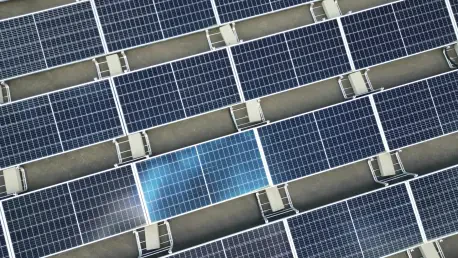

The Mediterranean region is rapidly transforming into a central hub for European renewable energy, as evidenced by a landmark financing agreement that signals a major shift toward decentralized power generation. This new initiative, known as the Sand Solar Project, involves a significant investment of €153 million aimed at establishing a 137MW photovoltaic facility in the Sicilian municipalities of Monreale and Gibellina. The financial structure of this venture is a collaborative effort between the European Investment Bank and Société Générale, with the former contributing €70 million and the latter providing €83.34 million. By aligning with the REPowerEU program and the 2030 national energy and climate targets of Italy, the project addresses the urgent need for energy independence while simultaneously decarbonizing the regional power grid. Such a massive injection of capital into the Sicilian landscape highlights the strategic importance of the island as a cornerstone for Italy’s transition away from fossil fuel reliance toward a more sustainable and secure electrical infrastructure.
Technical Infrastructure: Powering Growth in Sicily
The operational management of the Sand Solar Project falls under the expertise of Peridot Solar, a subsidiary of FitzWalter Capital, ensuring that the facility meets the highest standards of modern engineering. Construction efforts began in April 2026, with the timeline set to bring the plant into full operation by the middle of 2027, representing a swift turnaround for a project of this scale. Once the facility becomes fully functional, it is expected to generate approximately 256GWh of clean electricity on an annual basis, which is enough energy to meet the demands of nearly 100,000 households. To integrate this massive output into the national grid, the development includes a five-kilometer underground transmission line and a sophisticated 30/220kV substation. These components are essential for maintaining the stability of the local network and ensuring that the intermittent nature of solar energy does not disrupt the supply to consumers. By focusing on robust infrastructure, the project creates a template for future large-scale renewable deployments across the southern regions of Europe.
Regional Security: A Blueprint for Economic Resilience
The successful implementation of the Sand Solar Project was largely attributed to the collaborative efforts of various financial and technical advisors who ensured the project remained fully permitted and ready for execution. This initiative served as a vital catalyst for regional economic development, as it harnessed long-term financing to attract private investment into areas that required revitalization. By fostering social cohesion and creating a resilient economic framework, the partnership between the European Investment Bank and private lenders demonstrated how strategic infrastructure could mitigate energy price volatility. Moving forward, stakeholders prioritized the integration of advanced battery storage systems to maximize the utility of these solar assets. Policymakers recognized the necessity of replicating this financing model to bridge the gap between climate goals and local growth. Consequently, the project established a new standard for energy security, proving that localized production was the most effective solution for ensuring long-term environmental sustainability.