
The landscape of personal financial management underwent a significant transformation this week as OpenAI unveiled a sophisticated preview of its native banking integration features designed specifically for the ChatGPT Pro user base. This strategic rollout, which commenced on May 15, 2026, leverages the advanced reasoning capabilities of the GPT-5.5 Thinking model to provide users with a comprehensive, real-time overview of their fiscal health directly within the chat interface. By supporting more than 12,000 financial institutions, the system allows for an unprecedented level of data grounding, enabling the artificial intelligence to answer complex queries regarding spending habits, investment performance, and budget optimization with high precision. This initiative represents a move beyond general-purpose assistance into the highly regulated and sensitive domain of fintech, signaling a broader trend where artificial intelligence becomes a central hub for personal administrative tasks. The integration is currently limited to a select group of professional-tier users in the United States, serving as a controlled environment to refine the user experience and ensure the underlying algorithms provide accurate financial interpretations before a wider release. As the digital economy becomes increasingly complex, the introduction of these tools suggests a future where automated financial advisory is accessible to anyone with a subscription, potentially disrupting the traditional market for budgeting applications and financial planning software.
1. Procedure for Linking Bank Accounts
The process for integrating external financial data begins with a visit to the newly established Finances tab, which is prominently positioned within the ChatGPT sidebar for eligible subscribers. To initiate the setup, a user must navigate to this specific section and locate the “Get started” button, which serves as the entry point for the secure onboarding sequence. Alternatively, the system supports a more conversational approach where the user can simply type “@Finances, connect my accounts” within any active chat window to trigger the configuration assistant. This dual-pathway approach ensures that both power users and those preferring a more fluid, chat-based interaction can easily find the tools they need to centralize their financial data. Once the initial request is made, the platform provides a series of interactive prompts that guide the individual through the necessary authorization steps, ensuring that the link is established with the correct credentials and permissions required for the artificial intelligence to access transaction records.
Following the initial prompt, the system utilizes the Plaid interface to establish a secure and encrypted bridge between the OpenAI environment and the user’s banking institution. This industry-standard protocol requires the user to follow a structured set of steps to verify their identity and select the specific accounts they wish to synchronize, such as checking, savings, or credit card accounts. After the authorization is confirmed, the tool requires several minutes to perform an initial data sync, during which it pulls historical transaction data and begins the complex process of grouping expenditures into logical categories. This synchronization period is critical as the GPT-5.5 Thinking model analyzes the raw data to identify patterns, recurring merchants, and income sources, creating a structured foundation for future analysis. Once the grouping is complete, the user receives a notification that their financial profile is ready, allowing them to begin querying their data or exploring the various visual summaries available within the dedicated dashboard.
2. Key Components of the Finance Dashboard
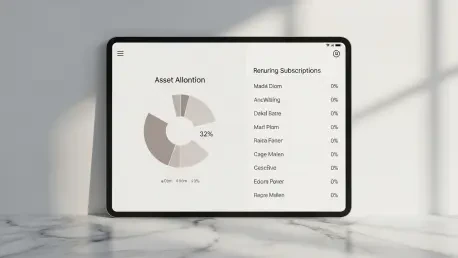
The heart of the new personal finance experience is the comprehensive dashboard, which offers a sophisticated visual representation of an individual’s financial standing through multiple specialized modules. One of the primary features is the performance tracking system for investment portfolios, which aggregates data from various brokerage accounts to show real-time fluctuations and long-term growth trends. This module does more than just display numbers; it provides a visual breakdown of asset allocation and historical performance, allowing users to see how their diverse investments are contributing to their overall net worth. By consolidating this information into a single view, the dashboard eliminates the need to log into multiple institutional websites, providing a unified perspective on wealth accumulation that was previously difficult to achieve without manual spreadsheet entry or specialized third-party wealth management tools.
Beyond investment tracking, the dashboard provides visual breakdowns of daily and monthly spending habits, utilizing intuitive charts to highlight where capital is being allocated across different lifestyle categories. Users can also access a detailed overview of their active recurring subscriptions, which the AI automatically identifies by scanning for consistent monthly charges from digital service providers, streaming platforms, and utility companies. This list is complemented by a forward-looking module that outlines upcoming bills and scheduled payments, helping users anticipate future cash flow requirements. By presenting these key components in a clean, structured format, the interface empowers users to identify financial leakage and prioritize their obligations more effectively. The data visualization elements are designed to be interactive, allowing users to click into specific categories to see the underlying transactions that inform the high-level summaries provided by the GPT-5.5 Thinking model.
3. Financial Tasks You Can Perform
With the financial data fully integrated, users can leverage the artificial intelligence to perform a wide array of sophisticated analytical tasks that go far beyond basic balance inquiries. One of the most powerful applications is the ability to establish and plan for long-term financial goals, such as saving for a home down payment or building an emergency fund. The AI can analyze current income and expenditure patterns to provide realistic timelines and monthly contribution recommendations tailored to the user’s specific circumstances. Additionally, the system excels at specialized spending reviews, such as analyzing total expenditures during a recent travel excursion or a holiday season. By asking specific questions about travel costs, users can receive a detailed breakdown of flights, accommodation, and dining expenses, allowing for a better understanding of how leisure activities impact their broader financial health over time.
The computational power of the underlying model also allows for deeper insights into general spending behavior and the creation of various financial models. Users can engage in scenario modeling, such as asking the system to project the impact of a potential salary increase or a significant new monthly expense on their long-term savings goals. For those with active market positions, the tool can check the risk levels of current investments by comparing the portfolio’s composition against broader market volatility and historical data. Furthermore, the AI can conduct an audit of monthly or yearly subscriptions, identifying duplicate services or price increases that may have gone unnoticed. This level of granular analysis enables a more proactive approach to money management, where the user can identify inefficiencies and make informed decisions based on a comprehensive understanding of their financial ecosystem.
4. The Progressive Release Schedule
OpenAI has adopted a phased approach to the deployment of these financial features, prioritizing stability and security throughout each stage of the rollout process. The initial phase focuses exclusively on Pro members residing within the United States, a group that typically utilizes the most advanced features and provides high-quality feedback. This restricted release allows the engineering teams to monitor the system’s performance across 12,000 different financial institutions, ensuring that the data ingestion and categorization logic remains robust under diverse real-world conditions. By starting with a smaller, more technical user base, the company can identify and resolve edge cases—such as unusual transaction descriptions or complex multi-factor authentication protocols at specific banks—before the tool is introduced to a larger and more varied demographic.
As the system matures and the initial feedback is integrated into the model’s reasoning logic, the rollout will expand to include Plus subscribers. This second phase represents a significant scaling effort, as the number of active users will increase by an order of magnitude, testing the infrastructure’s ability to handle high volumes of concurrent data synchronizations and complex financial queries. Eventually, the goal is to provide access to the general public through the free version of ChatGPT, making sophisticated financial planning tools available to everyone regardless of their subscription status. This progressive schedule is designed to build trust with the user base and regulatory bodies, demonstrating a commitment to responsible data handling and accurate AI-driven financial advice. By the time the features reach the free tier, the system will have benefited from months of refinement, ensuring a polished and reliable experience for the broadest possible audience.
5. Managing Your Financial Data and Privacy
Privacy and data sovereignty are central to the architecture of the new finance features, providing users with multiple layers of control over how their information is accessed and stored. If a user decides to discontinue the service, they can unlink their accounts directly through the Finances page, which immediately revokes the system’s authorization to pull new data from the connected institutions. This action severs the bridge established through the Plaid interface, ensuring that no further financial information is transmitted to the OpenAI servers. To further protect user privacy, the system adheres to a strict data retention policy where a 30-day window is required for the system to fully erase all previously synced transaction data from the primary databases. This delay ensures that the deletion process is thorough and that all cached versions of the financial records are systematically purged from the environment.
In addition to the automatic deletion protocols, users have the option to take more immediate action by manually removing specific chat histories that contain sensitive financial discussions or data summaries. This ensures that any records of past inquiries are not stored within the user’s general account history if they prefer a higher level of discretion. For an added level of protection, the platform strongly encourages the activation of multi-factor authentication, which serves as a vital safeguard against unauthorized access to the ChatGPT account and, by extension, the integrated financial dashboard. By providing these robust management tools, the platform ensures that users remain in full control of their digital financial footprint, allowing them to balance the benefits of AI-driven insights with their individual privacy requirements. These security measures are designed to meet the high expectations of users handling sensitive personal information in an increasingly digital and interconnected financial landscape.
6. Implementing Strategic Financial Oversight
Strategic oversight of personal finances required a proactive stance toward new technology and a disciplined approach to data management. Users who successfully maximized the benefits of the new features often began by conducting a comprehensive audit of their linked accounts to ensure all relevant assets were represented. By reviewing the categorization accuracy in the first few days, they established a clean data set that improved the AI’s ability to provide meaningful advice over the long term. This initial investment of time allowed the GPT-5.5 Thinking model to generate more precise insights into discretionary spending, which participants used to reallocate funds toward high-interest debt or retirement savings. Regular engagement with the dashboard visualizers helped individuals maintain a continuous awareness of their financial velocity, preventing the common pitfall of monthly budget overruns.
Moving forward, the best results were achieved by those who integrated the AI’s modeling capabilities into their major life decisions. By simulating various economic scenarios and testing the resilience of their investment portfolios against hypothetical market shifts, users gained a clearer understanding of their risk tolerance and long-term security. They also took the necessary steps to secure their accounts by reviewing their multi-factor authentication settings and periodically auditing the third-party permissions granted to the platform. This balanced approach—leveraging the analytical power of artificial intelligence while maintaining strict control over data privacy—transformed the way people interacted with their money. The transition to AI-integrated banking facilitated a more informed and empowered consumer base that was better equipped to navigate the complexities of the modern financial world.