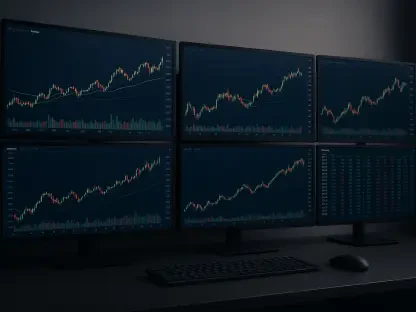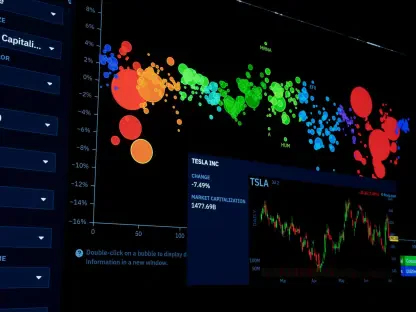

The sudden cooling of geopolitical tensions has effectively dismantled the wall of worry that previously hindered aggressive capital deployment in the domestic equities market today. As delegates from conflicting regions signaled a willingness to return to the negotiating table, the S&P 500 and the Nasdaq Composite experienced their most significant single-day gains of the current quarter. This surge was not merely a reflexive bounce but appeared to be a calculated repositioning by institutional investors who had been sitting on significant cash reserves. The broader market sentiment shifted from defensive posturing to growth-oriented accumulation, reflecting a collective belief that the worst of the regional instability might be behind us. Investors analyzed the potential for restored trade routes and stabilized commodity flows, which would naturally lead to a more predictable environment for corporate earnings. Consequently, the volatility index retracted toward its historical average, signaling a newfound confidence in the market.
Geopolitical Stability and Market Momentum
Easing Tensions: Impact on Risk Appetite
The prospect of a diplomatic resolution has fundamentally altered the risk-reward calculus for global asset managers who were previously braced for prolonged conflict. This shift became evident as high-yield debt and emerging market equities saw a sudden influx of capital, suggesting that the fear trade was rapidly unwinding in favor of more productive ventures. When geopolitical friction eases, the hidden costs of business—such as insurance premiums for shipping and the necessity for redundant supply chains—begin to dissipate, allowing for higher profit margins across diverse industries. Major financial institutions noted that the move away from defensive assets like sovereign bonds and precious metals was swift, as traders sought to capture the upside of a potential peace dividend. This transition highlights how sensitive modern electronic trading is to diplomatic rhetoric, with algorithms and human traders alike responding to the nuance of official statements in real time as news breaks across various channels.
Sector Performance: The Technology Catalyst
The technology sector emerged as a primary beneficiary of the brightening global outlook, particularly firms specializing in artificial intelligence and semiconductor manufacturing. These capital-intensive businesses rely heavily on the free flow of specialized components and a stable regulatory environment to maintain their rigorous innovation cycles. With the threat of supply chain disruptions receding, investors regained their appetite for these high-beta stocks, driving substantial gains for industry leaders involved in advanced chip design and cloud infrastructure. The logic behind this movement is rooted in the expectation that a peaceful geopolitical climate will facilitate more robust international collaboration on technical standards and research. Moreover, as the cost of capital remains stable due to the absence of sudden geopolitical shocks, these companies can more aggressively fund their research and development initiatives through 2027 and beyond, driving long-term value for all global shareholders.
Energy Dynamics and Economic Outlook
Supply Chain Relief: Controlling Inflationary Pressures
A significant driver of the current market enthusiasm is the sharp decline in crude oil prices, which have retreated from their recent highs as supply concerns began to ease. This downward trajectory in energy costs provides much-needed relief to heavy industry and manufacturing firms that are particularly sensitive to fluctuations in the price of petroleum and its derivatives. For instance, chemical manufacturers and plastic producers, who utilize oil as a primary feedstock, are now positioned to see a marked improvement in their margin profiles. The decline in oil prices also has a secondary effect on the agricultural sector, where the cost of fertilizers and machinery operation is directly tied to energy inputs. As these costs fall, the pressure on food prices at the wholesale level begins to subside, providing a favorable backdrop for broader price stability. Financial analysts have been closely monitoring these movements, noting that sustained lower energy costs are vital for the growth of the economy.
Strategic Planning: Navigating the Recovery
The recent market performance demonstrated that a shift toward diplomacy and cheaper energy provided a powerful catalyst for a broader economic recovery. It became clear that the most effective path forward involved de-risking portfolios while simultaneously increasing exposure to sectors that thrived on lower input costs and open trade routes. Financial advisors recommended that clients focus on long-term themes, such as the continued digitalization of global commerce and the transition toward more efficient energy consumption models. It was observed that those who maintained a disciplined approach to asset allocation during the preceding period of high volatility were best positioned to benefit from the sudden rally. The key takeaway from these developments was the importance of remaining vigilant yet optimistic, ensuring that investment strategies were flexible enough to adapt to rapidly changing geopolitical realities. By prioritizing quality and diversification, market participants prepared themselves for a period of more consistent growth.