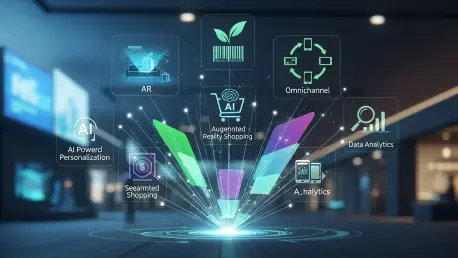

The traditional boundary between a physical storefront and a digital marketplace has dissolved into a complex ecosystem where consumer expectations dictate the pace of technological adoption at a speed once thought impossible for the legacy industry. This evolution is no longer a matter of simple survival but a pursuit of deep integration, where data serves as the primary currency of interaction between brands and their audiences. In this landscape, businesses are actively pivoting from outdated transactional models toward a more holistic, relationship-based approach that prioritizes the long-term lifecycle of a customer over a single checkout event. The shift is characterized by a blend of sophisticated logistical frameworks and a redefined understanding of how human value is delivered in a digital-first world. As the industry navigates the complexities of current economic pressures, the winners are those who view technology not as an add-on, but as the foundational layer upon which every brand promise is built. Success now requires an incredible amount of agility, forcing legacy organizations to strip away bureaucratic layers in favor of transparent, rapid decision-making processes. By focusing on the convergence of convenience and authenticity, retailers are finding new ways to anchor themselves in the lives of shoppers who are increasingly skeptical of empty marketing claims. This period of high-tech commerce has set the stage for a dramatic transformation of the global marketplace where the customer journey is more fluid than ever before.
Redefining Value and AI Integration
Modern shoppers are becoming increasingly “deal-driven,” with nearly half of the global population prioritizing cost-benefit advantages over simple brand loyalty as inflationary pressures remain a constant concern. Retailers are responding to this shift by expanding their affordable product lines while ensuring that “value” is no longer defined solely by the price tag on a shelf. Instead, value now includes high-quality post-purchase service, meaningful loyalty rewards that cater to long-term needs, and an overall reduction in the “effort tax” required to shop. From 2026 to 2028, the focus is expected to shift toward tiered membership programs that offer tangible utility, such as free repairs or early access to limited releases, rather than just basic discount codes. This nuanced approach to pricing strategy allows companies to maintain margins while still appealing to the price-sensitive nature of the current demographic. By leveraging deep data analytics, brands can identify exactly which value propositions resonate most with specific micro-segments of their audience, allowing for a more surgical application of promotions. This ensures that the concept of value remains dynamic, adjusting in real-time to the shifting economic landscape and the specific priorities of the individual consumer, thereby fostering a deeper sense of mutual benefit.
Artificial Intelligence has moved decisively from the experimental phase to becoming a central pillar of retail operations, specifically through the implementation of hyper-personalization engines. Instead of shoppers manually searching through endless catalogs, AI-driven algorithms allow products to “find” the consumer, creating a highly customized discovery process that feels intuitive rather than intrusive. This is achieved by synthesizing thousands of data points, including past purchase behavior, real-time browsing context, and even local weather patterns, to present the most relevant options at the precise moment of intent. Generative AI tools are also being utilized to create virtual stylists and assistants that provide expert-level advice, mimicking the nuance of a high-end boutique experience within a digital interface. Beyond the customer-facing applications, AI is revolutionizing back-end efficiency by automating demand forecasting and markdown optimization with unprecedented accuracy. This reduces the waste associated with overproduction and ensures that the right products are in the right locations before the customer even knows they want them. The integration of these intelligent systems represents a fundamental shift in the retail paradigm, moving the industry away from a “push” model of mass marketing toward a “pull” model of individualized service that respects the user’s time and attention.
The Rise of Mobile and Ethical Commerce
Mobile commerce has reached a definitive tipping point, now accounting for the vast majority of online orders and serving as the primary research tool for in-store shoppers. For a business to succeed in this environment, it must offer a “mobile-first” experience characterized by rapid load times, thumb-friendly navigation, and frictionless checkout processes that cater to the on-the-go user. This includes the integration of native biometric authentication, such as facial recognition or fingerprint scanning, to eliminate the need for manual password entry and reduce cart abandonment rates. Furthermore, social commerce has matured into a major revenue stream, with platforms allowing users to complete entire transactions without ever leaving their social media feeds. This seamlessness is critical because any lag or complication in the mobile journey often results in a permanent loss of the customer to a more agile competitor. Retailers are also utilizing augmented reality through mobile devices to allow customers to visualize products in their own homes, effectively bridging the gap between digital browsing and physical ownership. The mobile device is no longer just a shopping tool; it is the central remote control for the entire retail experience, connecting the digital identity of the shopper to the physical presence of the brand in a way that is both personal and immediate.
Sustainability has transformed from a niche marketing point into a major driver of purchasing decisions for the vast majority of consumers who now demand ethical transparency. Brands are expected to demonstrate responsibility through eco-friendly packaging, circular economy programs like refurbishing or trade-ins, and transparent supply chains that provide verifiable proof of environmental claims. This shift is particularly evident in the rise of “re-commerce,” where retailers host their own secondary markets for pre-owned goods, thereby extending the lifecycle of their products and appealing to environmentally conscious Gen Z and Millennial cohorts. Ethical commerce also extends to the fair treatment of workers and the reduction of carbon footprints across the entire logistical network. Companies that fail to provide clear, data-backed evidence of their sustainability efforts face significant reputational risks and potential loss of market share to more transparent rivals. By adopting a circular business model, retailers not only reduce their impact on the planet but also build a more resilient brand that resonates with the values of the modern shopper. This commitment to ethics is no longer an optional “extra” but a core requirement for any business looking to secure long-term viability in an increasingly scrutinized global market where corporate social responsibility is a primary metric of success.
Seamless Integration Across Channels
The gap between digital and physical shopping is closing rapidly, requiring a sophisticated omnichannel strategy to keep the customer journey frictionless across all possible touchpoints. Success in this area depends on real-time inventory synchronization, ensuring that a product listed as “available” online is actually sitting on the shelf of the local store for immediate pickup. Modern retailers are investing heavily in Radio Frequency Identification (RFID) and computer vision technologies to maintain 99% inventory accuracy, which is the baseline requirement for successful Buy Online, Pick Up In Store (BOPIS) services. Consistency in branding and pricing across all platforms is equally vital, as shoppers often feel alienated when they encounter disconnected price points or promotional offers that are exclusive to only one channel. By creating a “unified commerce” architecture, businesses can track the customer journey as it moves from a mobile app to a social media ad and finally to a physical checkout counter. This high-level visibility allows for more effective attribution modeling and ensures that the marketing budget is allocated to the channels that truly drive conversion. The goal is to create a singular brand experience where the medium of the transaction is secondary to the quality of the interaction, providing a sense of continuity that builds trust and encourages repeat visits.
Beyond the technological infrastructure, the human element remains a vital component of the retail experience, as in-store staff are being retrained to bridge the gap between physical and digital spaces. Employees are no longer just stock clerks; they are becoming brand ambassadors and digital facilitators who use handheld devices to assist with online returns, look up extended product information, or place digital orders for out-of-stock items. This shift in the workforce dynamic allows retailers to provide a more supportive shopping environment that leverages the strengths of human empathy and expertise. By empowering staff with real-time data about the customer standing in front of them, businesses can offer personalized recommendations that feel authentic rather than scripted. This investment in human capital is a strategic counterweight to the rise of automation, ensuring that the physical store remains a destination for engagement rather than just a place for a transaction. Retailers who prioritize the professional development of their teams find that employee satisfaction translates directly into improved customer satisfaction and higher conversion rates. In a world where digital interactions can sometimes feel cold or transactional, the presence of a knowledgeable and helpful human presence becomes a significant competitive advantage that strengthens the overall brand identity.
Financial Flexibility and Operational Resilience
Payment flexibility is another critical frontier in the retail sector, with “Buy Now, Pay Later” (BNPL) models becoming a standard expectation for younger demographics. By offering a diverse range of payment options—including digital wallets, cryptocurrencies, and localized banking transfers—retailers can significantly increase their average order values and cater to a wider global audience. This flexibility is not just about convenience; it is about financial inclusivity, allowing consumers to manage their cash flow more effectively while still accessing the products they need. For retailers, the integration of these varied payment methods requires a robust fintech backend that can handle multi-currency transactions and fraud detection in real-time. From 2026 to 2028, the industry is seeing a move toward “embedded finance,” where retailers offer their own branded financial products, such as credit lines or insurance, directly within the shopping experience. This deepens the relationship with the customer and provides the retailer with additional data insights into the financial health and spending habits of their audience. By removing the friction associated with traditional payment methods, brands can capture more impulse purchases and build a loyal customer base that appreciates the autonomy and variety of choices provided at the point of sale.
Finally, supply chain resilience is being fortified through onshoring and the adoption of cloud-based logistics systems to mitigate the risks associated with global geopolitical instability. By diversifying their supplier base and moving production facilities closer to the end consumer, retailers are building the agility necessary to respond quickly to sudden market shifts or shipping disruptions. This localized approach not only speeds up delivery times but also contributes to a smaller carbon footprint, aligning with the sustainability goals mentioned previously. Cloud-based logistics platforms provide end-to-end visibility, allowing managers to track shipments in real-time and make data-driven adjustments to routing when delays occur. Furthermore, the use of predictive logistics helps companies anticipate potential bottlenecks before they happen, ensuring a steady flow of inventory even during peak demand periods. This operational resilience is the “invisible” trend that supports all other aspects of the retail experience; without a stable and responsive supply chain, even the most advanced AI or mobile platform will fail to deliver on its promise. Building a robust logistical foundation requires significant upfront investment, but the long-term benefits in terms of reliability and customer trust far outweigh the initial costs. Retailers that prioritize supply chain health are better positioned to weather economic storms and maintain a consistent level of service in an unpredictable world.
Retail Strategy: Navigating the New Economic Landscape
Retailers who achieved the highest growth during the mid-2020s moved beyond the basic implementation of digital tools and instead focused on the total integration of their operational silos. They recognized that the marketplace was no longer a distant target for future planning but a present reality that demanded immediate structural changes to accommodate a more volatile global economy. These organizations prioritized the development of hyper-localized fulfillment centers, which allowed them to slash shipping times while simultaneously reducing their carbon footprint through shorter transit routes. By investing heavily in predictive analytics, they anticipated consumer needs before the customer even realized a demand existed, effectively shifting the retail dynamic from reactive to proactive. The transition to a circular economy became a cornerstone of their brand identity, as they successfully launched programs that encouraged the trade-in and refurbishment of used goods. This approach not only bolstered customer loyalty but also created a sustainable secondary revenue stream that insulated them from fluctuating manufacturing costs. Moving forward, the industry learned that the most effective strategy involved a balanced synthesis of cutting-edge automation and empathetic human service. Those who flourished were the ones who treated technological investment as a means to enhance human connection rather than a way to replace it entirely. As a result, the businesses that maintained the most relevance were those that viewed every challenge as an opportunity to refine their value proposition and deepen their commitment to the consumer.