
The constant buzz around an impending recession has been a significant source of stress for both investors and consumers alike. Recent trends and indicators have heightened these fears, making economic stability a central concern. The growing unease is reflected in increased searches on Google,
"Why are we worried about a recession when economic data shows strength?" This intriguing question has become a hot topic as varying economic indicators paint a seemingly contradictory picture of the economy. Despite positive data such as rising GDP and low unemployment rates, there is a growing
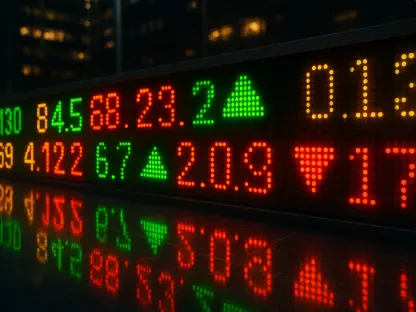
Recent weeks have seen notable declines in the stock market, culminating in a massive sell-off. Approximately $5 trillion in market capitalization of the S&P 500 was erased, forcing the index into correction territory. This turbulence has been driven largely by worries over President Trump's trade
Economic uncertainty is a silent disruptor that affects economic decisions ranging from starting businesses to investing in new ventures or even buying homes. This article tackles the growing economic uncertainty in the United States as of March 17, 2025, and the mixed signals that analysts and
U.S. stock futures experienced a favorable uptick after a significant selloff, reflecting investor optimism ahead of the imminent consumer sentiment data release. The Nasdaq, S&P 500, and Dow Jones futures are each recording gains, demonstrating a recovery from the losses incurred on Thursday

President Donald Trump's recent remarks during an interview on "Sunday Morning Futures with Maria Bartiromo" have ignited a wave of discussions about the trajectory of the American economy. During the interview, Trump emanated optimism about the future but also conceded that a recession in 2025