
The integration of 435 high-quality first stores and 304 major product debut events in 2025 alone solidified Chongqing’s position within the top ten cities favored by international brands. This surge in commercial activity propelled the municipality to an unprecedented economic height, recording a staggering 1,668.85 billion yuan in total retail sales of consumer goods by the end of that year. For the first time in modern economic history, Chongqing has officially overtaken Shanghai, a city long considered the undisputed heartbeat of Chinese commerce. This transition signifies more than just a change in national rankings; it represents a fundamental shift in how inland metropolises are redefining the retail landscape by leveraging massive scale and unique urban dynamics. By successfully blending its rugged geography with a sophisticated economic engine, the city has proven that inland growth can not only rival but exceed the established coastal giants through calculated investment and cultural branding.
This achievement is the culmination of a rigorous five-year transformation that redirected the city’s urban planning toward high-end consumption and architectural innovation. The municipality’s resilience was particularly evident during the 2025 National Day holiday, where total consumption rose by 4.6% year-on-year, supported by a massive influx of over nine million tourists to major scenic spots. This consistent performance has established a new baseline for what a “top-tier” commercial hub looks like in the current economic era. Instead of relying solely on traditional department stores, the city has pivoted toward a “first-store economy” that prioritizes exclusivity and flagship experiences. This strategy has not only attracted global luxury brands but has also fostered a domestic retail environment that thrives on novelty and scale. As the market continues to evolve, the lessons learned from this transition provide a definitive blueprint for urban centers worldwide.
The Strategic Blueprint for Commercial Dominance
A New Model: International Consumption Standards
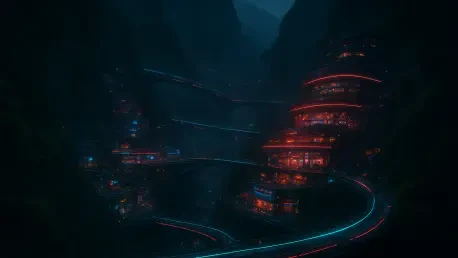
The primary catalyst for this historic transformation was Chongqing’s designation in 2021 as one of the first pilot cities for the cultivation of an “International Consumption Center City.” This policy gave the local government the authority to experiment with radical new forms of commercial real estate and urban development that diverged from the flat, predictable paths of other Tier-1 cities. By leaning into its distinctive topography, often referred to as “8D magic” due to its extreme verticality and complex layers, Chongqing created a retail environment that is fundamentally impossible to replicate. This approach allowed for the development of multi-dimensional business districts where commerce exists simultaneously on multiple planes, integrating transit, entertainment, and retail into a single, cohesive urban fabric. The result is a city that feels like a living, breathing commercial ecosystem rather than a collection of isolated shopping malls.
Furthermore, the city’s development strategy prioritized the conversion of unconventional spaces into high-value commercial venues, such as subterranean bomb shelters, vertical cliff walls, and sprawling rooftop terraces. These spaces, once considered logistical challenges, were transformed into vibrant hubs for the “mountain city” brand of consumption. By weaving shopping experiences into the very terrain of the city, developers have managed to create a sense of discovery that keeps consumers engaged longer than traditional retail formats. This architectural ingenuity has become a major draw for international brands looking to create unique flagship stores that reflect the local culture. The ability to offer something truly distinct has allowed the municipality to secure its place in the global commercial hierarchy, ensuring that its retail growth is sustained by both local residents and a massive influx of international tourists seeking unique experiences.
Resilience: Growth and Adaptability
The commercial real estate landscape between 2021 and 2025 followed a complex “peak-correction-recovery” cycle that ultimately resulted in a much more resilient and diversified market. By the end of this period, the city managed 241 significant commercial projects totaling nearly 23 million square meters of floor area. A major turning point occurred in 2021 with the opening of landmark projects like the Chongqing Light-Aura Shopping Park, which introduced a massive indoor botanical garden and a new standard for biophilic design in retail. This was followed by the emergence of the Central Park business district, which rapidly became a magnet for premium retailers and high-income demographics. These projects demonstrated that despite external economic pressures, there was still a significant appetite for high-quality, modern retail formats that offered more than just basic transaction services.
In the subsequent years of transition, the city successfully balanced the closure of outdated department stores, such as the historic Wangfujing Department Store, with the opening of cutting-edge venues like JD MALL and Longfor Hi-Tech Tianjie. This “entry-exit” phenomenon was a healthy sign of market maturation, as older, less efficient retail models were replaced by technology-driven, experiential centers. The recovery phase in 2025 saw a strong emphasis on industrial-commercial integration, where commercial projects were designed to serve not just consumers but the broader needs of the surrounding technology and manufacturing hubs. This strategic diversification has insulated the city from fluctuations in any single sector, creating a robust foundation for long-term economic stability. The current market is now characterized by a high degree of specialization, with different districts catering to specific niches ranging from luxury goods to high-tech gadgets.
The Evolution of Diverse Business Districts
Expansion: The Rise of Liangjiang New Area
The Liangjiang New Area has emerged as the most powerful engine of commercial expansion, contributing nearly 1.9 million square meters of new space in recent years. This district is anchored by the Central Park Business District, a massive, multi-phased development project that aims to become a 100-billion-level core economic zone. The influx of premium retailers like Hema Fresh and the establishment of corporate headquarters, including the Changan Automobile Group, have turned this area into a premier destination for high-end consumption. The strategic placement of this district near major transportation hubs and residential developments has ensured a steady stream of high-spending foot traffic. This area represents the future of the city’s commercial geography, moving away from a single-core model toward a “multi-core symbiosis” where different regions of the city support each other’s growth.
Beyond its physical size, the success of the Liangjiang New Area lies in its ability to attract a diverse mix of international and domestic brands that appeal to a younger, more tech-savvy demographic. The district has become a testing ground for new retail technologies, including automated delivery systems and immersive digital storefronts. This focus on innovation has allowed it to capture a significant share of the market that was previously concentrated in older, more established districts. Moreover, the integration of green spaces and public parks within the commercial zones has created a high-quality lifestyle environment that encourages people to spend more time in the area. By prioritizing the quality of life alongside economic growth, Liangjiang has set a new standard for urban development that balances commercial interests with the needs of the community, ensuring that the district remains a vibrant hub for decades to come.
Modernization: Upgrading Historic Powerhouses
While new districts rise, traditional commercial centers like Jiefangbei and Guanyinqiao are undergoing radical modernizations to maintain their status as world-class destinations. Jiefangbei, which recently became the first “double 100-billion” business district in Western China, has expanded its pedestrian core to over three square kilometers. This expansion was made possible by an innovative underground traffic loop that connects 28 buildings and provides over 20,000 parking spaces, effectively removing surface-level congestion and making the area more accessible to pedestrians. Projects like Shibati and Shancheng Lane have successfully merged historical preservation with modern commerce, offering “fast travel and slow tour” experiences that allow visitors to enjoy the city’s heritage while shopping for global brands. This blend of old and new has kept the district relevant in a rapidly changing market.
Guanyinqiao, which maintains an average daily passenger flow of 800,000 people, has focused its modernization efforts on the “debut economy” and improved pedestrian connectivity. The most ambitious of these projects is a four-kilometer “sky corridor” currently under construction, which will connect major shopping malls and rail stations through an elevated walkway. This infrastructure will ensure a seamless and comfortable pedestrian experience, regardless of weather or traffic conditions. Furthermore, the renovation of established malls like Longfor Beicheng Tianjie and the introduction of the Chongqing Central Mixc have shifted the district’s focus toward “trend light luxury.” This strategy has successfully attracted a younger, more fashion-conscious demographic, ensuring that the district remains the city’s primary hub for trendsetting and brand launches. These upgrades demonstrate that even the most historic districts can reinvent themselves through smart infrastructure and a focus on current consumer trends.
A Shift Toward Experiential and Cultural Retail
Transformation: From Transactions to Social Value
A defining characteristic of the city’s current commercial success is the fundamental shift from selling products to providing social and cultural value within retail environments. Shopping malls are no longer viewed as mere “transaction containers” where people go to buy goods; instead, they have evolved into community hubs focused on leisure and socialization. For instance, developers have significantly reduced retail floor space in favor of public art parks and open green spaces, such as the “Starlight Lawn” at Longfor Times Tianjie. This reduction in density has actually led to an increase in foot traffic, as consumers are drawn to environments that offer a more relaxed and aesthetically pleasing experience. By fostering a deeper emotional connection with the public, these venues have become integral parts of the city’s social fabric rather than just commercial outlets.
This transition toward experiential retail is also reflected in the implementation of floor-specific themes and specialized blocks that cater to different lifestyles. Venues like Xingguang Times Square have introduced themed zones, including pet-friendly blocks and science-fiction-inspired entertainment areas, to create a sense of variety and excitement. Meanwhile, other developments have created “24-hour blocks” that offer dining and entertainment options around the clock, catering to the varying social needs of a modern workforce. This focus on “service consumption” recognizes that in an era of online shopping, physical retail must offer something that cannot be replicated digitally: human connection and physical immersion. By prioritizing these elements, the city has successfully increased the average dwell time of consumers, leading to higher overall spending and stronger brand loyalty across its major business districts.
Engagement: Embracing the ACGN Culture
Chongqing has strategically positioned itself as a national hub for animation, comics, games, and novels (ACGN) culture to capture the influential Gen Z demographic. This subculture, once considered niche, has moved into the mainstream, and the city has responded by developing dedicated commercial complexes that cater specifically to these interests. The Chongqing Department Store Dream Field stands as a prime example, being the country’s first domestic animation-centered shopping mall. This venue features immersive themed blocks and shared spaces where fans can create and showcase their own work. By providing a physical home for these digital subcultures, the city has tapped into a passionate and highly engaged consumer base that values authenticity and community over traditional mass-market retail.
In parallel, the S,95 Ultra Dimensional Center in the Jiefangbei area has integrated “dimensional tunnels” and shared dance and makeup rooms designed for cosplayers and fans of virtual idols. These facilities go beyond simple retail, offering a stage for social expression and cultural participation. This focus on niche demographics has allowed the city to diversify its commercial offerings and create unique destinations that attract visitors from all over the country. The success of these ACGN-focused projects demonstrates that the future of retail lies in hyper-specialization and the ability to foster dedicated communities. By embracing these trends, the city has ensured that its commercial landscape remains dynamic and relevant to the younger generations who will drive consumption growth in the coming years. This proactive approach to cultural trends has solidified its reputation as a forward-thinking and inclusive commercial leader.
Future Outlook and Urban Renewal
Continuity: Progress from 2026 to 2028
The commercial trajectory for the period from 2026 to 2028 suggests a continued focus on high-quality development and the strategic revitalization of existing urban assets. Over 25 new large-scale projects are expected to launch during this timeframe, adding another 2 million square meters of premium floor area to the city’s footprint. Key upcoming developments, such as the 550,000-square-meter Jiafa Tiandi cultural-tourism complex, reflect a growing trend toward massive, multi-functional hubs that integrate luxury hotels, Grade-A offices, and immersive entertainment venues. This move toward integration ensures that new developments are not just retail centers but comprehensive urban destinations that can sustain activity throughout the day and night. The emphasis is clearly on creating “mega-projects” that can act as anchors for entire neighborhoods.
Furthermore, the city is placing a high priority on the renewal of “stock assets,” which involves the transformation of older, underperforming shopping centers into modern, high-tech hubs. This strategy is essential for maintaining the vitality of the city’s core districts while minimizing the need for sprawling new construction. Projects like the Kunxinhui transformation exemplify this trend, where traditional retail spaces are being repurposed to include more social and experiential elements. By focusing on the quality and variety of these developments, the city is ensuring that its commercial growth is both sustainable and diverse. This approach also allows for the integration of smart city technologies, such as advanced energy management and digital navigation systems, into the existing urban fabric. The focus on renewal ensures that no part of the city is left behind as the broader economy continues to advance toward higher standards of efficiency and luxury.
Synthesis: A Global Lifestyle Destination
Chongqing’s success was rooted in its ability to synthesize its rugged geographical identity with cutting-edge commercial strategies. The city successfully moved beyond being a simple shopping destination to become a comprehensive lifestyle destination, where the boundaries between tourism, culture, and commerce were permanently blurred. The strategic integration of cultural heritage and modern retail infrastructure provided a clear path forward for other global metropolises looking to revitalize aging urban centers. By prioritizing the “first-store economy” and leaning into experiential retail, the municipality secured its rank at the top of the national hierarchy while providing a viable blueprint for sustainable, internationalized consumption. This achievement was not merely a matter of scale, but of vision and the willingness to embrace unconventional solutions to urban challenges.
For other cities and commercial developers, the key takeaway from this transition was the importance of creating a “sense of place” that feels authentic to the local environment. Actionable strategies should focus on leveraging unique architectural features and historical narratives to differentiate physical spaces from the convenience of e-commerce. Future growth will likely depend on the ability to integrate subcultures and specialized communities into the mainstream retail environment, as seen with the city’s successful embrace of ACGN culture. Additionally, the move toward “multi-core symbiosis” suggests that decentralized urban growth, supported by robust infrastructure and transit-oriented development, is the most effective way to manage a massive commercial ecosystem. As the city continues to refine its model, it remains a primary example of how a combination of cultural sensitivity and economic ambition can redefine the modern metropolis.