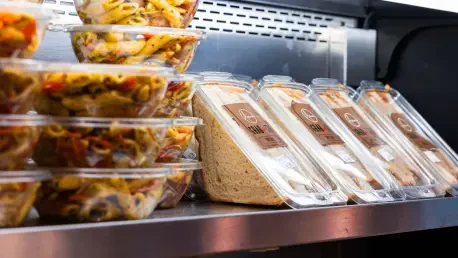

Greek supermarkets have successfully positioned themselves as primary food providers by collaborating with professional chefs to develop high-quality store brands. This strategic move marks a radical shift in the national diet, as ready-to-eat meals transition from a niche convenience to an indispensable staple of the modern household. The traditional Greek kitchen, once the exclusive domain of slow-cooked family recipes, is undergoing a profound reassessment due to urbanization and evolving labor trends. This change is not merely a transient fad but a structural evolution in consumer behavior driven by the socioeconomic pressures of contemporary urban life. By integrating gourmet standards into mass-market products, retailers have bridged the gap between convenience and quality, successfully convincing a traditionally skeptical public that pre-prepared options can meet their high standards for taste and nutritional value in a fast-paced environment. This evolution signals a permanent shift in how households view food consumption and prep.
Market Milestones: Shifting Consumer Habits
The Greek ready-meal sector has reached a historic financial milestone, with total turnover officially surpassing the €1 billion mark as of 2025. This growth is supported by a steady annual increase in spending, reflecting a consistent shift in how households allocate their food budgets. Currently, the average Greek household spends approximately €770 per year on prepared foods, a figure that continues to climb as more individuals prioritize time efficiency. Supermarkets have emerged as the primary beneficiaries of this trend, nearly doubling their market share of meal providers over the last decade. As cultural resistance to pre-packaged food continues to fade, the population of consumers who once strictly avoided these products has shrunk significantly. This indicates a broader acceptance of diverse dining solutions that allow for greater flexibility in daily routines without sacrificing the social importance of regular, high-quality meals within the family unit across the nation’s diverse urban landscape.
The surge in demand for prepared meals is primarily fueled by what sociologists term “time poverty,” a condition where the logistical challenges of modern employment leave little room for traditional domestic tasks. Research indicates that over 40% of consumers now opt for these meals specifically because they lack the time required for scratch cooking. This trend is particularly pronounced in large urban centers like Athens and Thessaloniki, where long commutes and demanding work schedules have redistributed domestic responsibilities. Furthermore, demographic shifts have led to an increase in single-person and two-person households, for whom traditional, large-scale cooking is often seen as inefficient and wasteful. For these individuals, the ability to purchase a single, nutritionally balanced portion is far more practical than purchasing bulk ingredients. The increased participation of women in the workforce has also necessitated a reliance on high-quality, professional alternatives to home cooking in the current 2026 economic environment.
Strategic Evolution: The Future of Convenience
To capitalize on this burgeoning demand, major supermarket chains are reinventing their physical locations as hybrid retail spaces that blend traditional grocery shopping with immediate food service. It is no longer uncommon to find expansive heated displays and walk-in refrigerated sections dedicated entirely to fresh, chef-prepared dishes. These retailers are allocating significant floor space to these categories, often at the expense of traditional dry goods aisles. By collaborating with renowned culinary professionals to launch premium store brands, supermarkets have successfully elevated their offerings to rival restaurant quality. This strategy has effectively blurred the lines between the grocery store and the bistro, encouraging shoppers to perceive the supermarket as a destination for ready-to-eat solutions rather than just a source of raw materials. This transformation is central to the industry’s plan to increase the average transaction value by capturing a larger share of total food spending in urban centers.
Home cooking remained the cultural gold standard for taste and health in Greece, even as the convenience sector expanded. The most successful retailers recognized that ready meals served as a vital logistical tool that filled the gaps created by modern employment, rather than a total replacement for the family table. Stakeholders who prioritized transparent sourcing and the reduction of plastic packaging found themselves better positioned to meet the high expectations of the public. Looking forward, the industry needed to focus on hyper-localization, bringing regional Greek flavors into the ready-meal format to maintain authenticity. Future considerations included the integration of smart-kitchen technology that synced supermarket inventory with home appliances to further reduce food waste. By treating the ready-meal as a premium extension of the Mediterranean tradition, the sector ensured its longevity. The focus transitioned toward sustainable delivery models and seasonal ingredients to satisfy a population connected to its heritage.