
Operational resilience has become a significant industry-wide priority as companies seek to rectify supply chain disruptions through resynchronized planning. This shift represents a broader movement within the consumer packaged goods sector as it hurtles toward the 2027 fiscal year with a focus on technological integration. Leading organizations are no longer satisfied with legacy systems that treat digital innovation as a separate entity; instead, they are weaving artificial intelligence into the very fabric of their business models. By 2027, the distinction between a traditional product manufacturer and a data-driven technology firm will have nearly evaporated. This transition is essential for navigating the current landscape of market volatility and evolving consumer preferences. As global giants pivot toward “post-digital” strategies, the industry is witnessing a fundamental redesign of how goods are created, marketed, and delivered across global marketplaces.
Scaling Growth Through Intelligent Technology
Leveraging AI for Systemic Brand Activation
Coca-Cola is leading the charge by transitioning to an operational model where brand strategy, revenue management, and real-time execution function as a single, AI-enabled system. This systemic approach allows the company to engage in “pressure testing” during massive global events like the World Cup, ensuring that every marketing dollar is optimized for maximum impact. A critical component of this roadmap toward 2027 is the rollout of “connected packaging,” which transforms physical soda bottles and cans into interactive digital portals. By utilizing QR codes and near-field communication, the company fosters a direct relationship with the consumer that bypasses traditional retail barriers. This constant stream of first-party data provides invaluable insights into consumption patterns, which are then fed back into the AI engine to refine future campaigns. The result is a strategy that is not just creative but also mathematically precise and responsive to the latest trends.
Driving Efficiency With Decision Intelligence
While marketing captures the headlines, the internal drive for efficiency is being powered by “decision intelligence,” a framework that brands like Hershey are using to master what they can control. Amidst fluctuating commodity prices and global economic uncertainty, the focus has shifted toward the optimization of working capital and the radical reduction of waste through sophisticated algorithms. By 2027, decision intelligence will be the primary tool for identifying “white space” in manufacturing processes that were previously invisible to human analysts. This involves digitizing every aspect of the factory floor and using predictive analytics to anticipate equipment failures before they occur. Furthermore, this technology allows for the precise allocation of resources to the most profitable product lines, ensuring that capital is never stagnant. This focus on internal discipline is about creating an agile financial structure that can reinvest savings into the brand.
Adapting Portfolios and Operations for Modernity
Modernizing Portfolios for Health-Conscious Consumers
A profound shift in consumer demographics is forcing a total reimagining of product portfolios, with a heavy emphasis on “better-for-you” (BFY) snacking and high-protein offerings. Mondelez International is actively pursuing this strategy by acquiring niche health brands like Undercover and using its massive corporate infrastructure to scale them into global powerhouses. This approach recognizes that the next generation of consumers, particularly Gen Z and Millennials, views health and wellness as a non-negotiable aspect of their purchasing decisions. By 2027, the integration of these small, high-growth businesses will be a central pillar of corporate strategy for most legacy CPG firms. The challenge lies in maintaining the authentic, health-focused identity of these acquired brands while applying the procurement and marketing expertise of a multinational giant. Success in this area requires a delicate balance of scaling production without compromising product quality.
Recovering Service Levels Through Operational Resilience
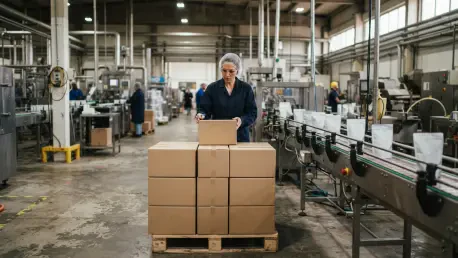
Despite the focus on high-tech marketing and new product development, many CPG leaders have identified a critical need to return to operational basics, specifically regarding service level recovery. Danone, for instance, has moved with extreme urgency to address out-of-stock situations that occurred despite an expansion in production capacity for its high-protein lines. The core of the problem often lies in a lack of synchronization between end-to-end planning and actual factory output. By 2027, the goal for these organizations is to achieve a state of “resynchronized planning” where every stage of the supply chain, from raw material procurement to final delivery, is perfectly aligned. This requires a cultural shift within the organization to prioritize service reliability above all else. Without a stable manufacturing foundation, even the most innovative marketing campaigns will ultimately fail if the consumer cannot find the product on the shelf.
Mastering Engagement in a Frictionless Market
Capturing Gen Z via Agentic Commerce
The emergence of “agentic commerce” is fundamentally altering the digital path to purchase, particularly for luxury and apparel brands like Tapestry, which owns Coach and Kate Spade. This model involves the use of AI shopping assistants and the integration of “Buy” buttons directly into search engine results and social media feeds. By removing the need for a consumer to visit multiple websites or navigate complex checkout processes, brands are creating a frictionless buying experience that mirrors the speed of modern digital life. For Gen Z consumers, who value immediacy and convenience, this seamless integration is often the deciding factor in brand loyalty. By 2027, agentic commerce will have moved from a niche technology to a standard retail expectation, forcing CPG brands to ensure products are discoverable and purchasable within a single click. This trend is already yielding results, with brands acquiring millions of new customers via specialized AI digital channels.
Achieving Agility Through Structural Realignment
To support these technological advancements, global giants like Unilever are undergoing significant structural realignments to foster greater agility and focus. This often involves the complex process of splitting existing operations into distinct geographic or product-based divisions, managed through Transition Services Agreements (TSAs). By 2027, these reorganizations will have created leaner, more responsive corporate structures that can manage massive portfolios with the precision of a small startup. This structural agility allows brands to pivot their strategies quickly in response to emerging market trends or sudden shifts in consumer behavior. For instance, a more geographically focused organization can tailor its marketing and supply chain efforts to specific regional demands. This move away from a “one-size-fits-all” corporate model is essential for managing the scale of modern global operations while maintaining the local relevance that drives consumer demand.
The evolution of the consumer goods sector toward the 2027 fiscal year demonstrated that success was no longer defined by traditional manufacturing power alone. Organizations that thrived were those that successfully embedded AI and data analytics into their core operational frameworks, bridging the gap between the factory and the digital consumer. These leaders prioritized structural agility, moving away from rigid hierarchies to embrace more fluid, responsive models that could adapt to real-time market data. They also recognized that technological progress was hollow without a corresponding focus on sustainability and consumer wellness, as evidenced by the massive shift toward high-protein and natural product portfolios. Moving forward, stakeholders should prioritize the integration of digital and physical supply chains to ensure that engagement results in sales. The journey toward 2027 proved that the ultimate edge lay in delivering personalized experiences while maintaining global excellence.