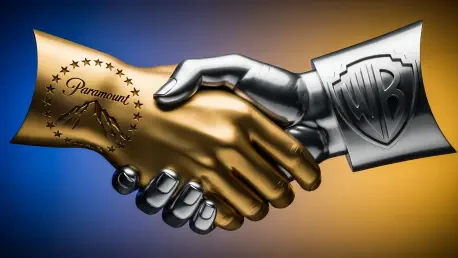

The High Stakes of Media Consolidation and the Creative Backlash
The cinematic landscape of the twenty-first century is being reshaped by corporate maneuvers that often prioritize balance sheets over the art of storytelling itself. The entertainment industry currently stands at a crossroads as a proposed 111 billion dollar merger between Paramount and Warner Bros. Discovery threatens to reshape the cinematic world. This massive consolidation has sparked a fierce reaction from a coalition of Hollywood professionals who believe that the deal could permanently damage the cultural and economic landscape of filmmaking. Understanding this movement requires a look at how corporate interests have increasingly clashed with the creative community’s need for diversity and competition. This timeline explores the evolution of the merger proposal and the growing resistance from high-profile figures who fear the loss of independent voices in a shrinking market. The relevance of this topic today lies in its potential to reduce the number of major American film studios to just four, an unprecedented contraction that could dictate the type of stories told for generations to come.
A Chronological Progression of the Merger and the Resulting Opposition
2019: The Disney and Fox Merger Sets a Challenging Precedent
The current anxiety surrounding the Paramount and Warner Bros. deal is deeply rooted in the industry’s previous experience with the acquisition of 20th Century Fox by Disney. This earlier merger served as a warning sign for many creators, as it led to significant layoffs and the shuttering of several production arms. Industry veterans observed how the reduction of major players limited the places where filmmakers could pitch their ideas. This event established a pattern of consolidation that many believe prioritized shareholder dividends over the preservation of historic backlots and creative jobs. The aftermath of this merger created a lingering skepticism that has now fueled the intense opposition against current consolidation efforts.
Late 2023 to Early 2024: The Emergence of the Paramount and Warner Talks
Initial reports regarding a potential tie-up between Paramount and Warner Bros. Discovery began to circulate, causing immediate concern across Hollywood. As news of the 111 billion dollar price tag surfaced, professionals from every corner of the industry began to voice their fears. The discussions moved from speculative rumors to concrete negotiations, highlighting a shift in the corporate strategy of legacy media companies. During this period, creative professionals began to organize, realizing that the merger would not just be a financial transaction but a fundamental change to the production ecosystem. The focus remained on how two giants merging would inevitably lead to the elimination of redundant departments, directly impacting the livelihoods of thousands.
Mid 2024: Skydance Enters the Fray and Executive Defense Begins
As the merger discussions progressed, David Ellison and Skydance became central figures in the effort to move the deal forward. In an attempt to mitigate the rising tide of criticism, Ellison pledged that Paramount and Warner Bros. would continue to operate as standalone entities despite the merger. The pro-merger camp argued that the scale of the new corporation would allow for greater global competition and the ability to greenlight up to 30 theatrical films annually. While executives framed the deal as a necessary evolution for financial stability, the creative community remained unconvinced. They pointed to the admission by the studios that operational overlaps would still lead to significant cuts, suggesting that the promise of independence was more of a marketing tactic than a operational reality.
Present Day: The Open Letter and Block the Merger Movement
The opposition reached a fever pitch on Monday when over a thousand industry figures published an open letter expressing unequivocal opposition to the deal. Supported by advocacy groups like the Future Film Coalition and the Committee for the First Amendment, the letter includes signatures from prominent names like Denis Villeneuve, J.J. Abrams, and Lily Gladstone. Hosted on a dedicated platform, the movement argues that the merger would create a ghost town effect on historic studio lots and further reduce job opportunities for artists. This collective outcry represents a formal plea to regulators and shareholders to prioritize the long-term health of the film industry over short-term financial gains. As the deal moves toward a final vote, this mobilization marks one of the most significant stands ever taken by Hollywood talent against corporate consolidation.
Turning Points and the Long Term Impact on Cinema
The most significant turning point in this narrative is the transition from individual complaints to a unified, public coalition of A-list talent. This shift demonstrates that the concerns are not merely about personal contracts but about the structural integrity of the entire industry. An overarching theme has emerged regarding the tension between the scale required for global streaming competition and the diversity required for a healthy creative culture. The pattern of reducing the number of major studios suggests a move toward an oligopoly, which historically leads to higher costs for consumers and fewer risks taken on original content. A notable gap in the current discourse is the long-term impact on mid-budget films, which often struggle to find a home when only a few major gatekeepers remain in power.
Examining Market Nuances and the Future of Independent Filmmaking
Beyond the headlines, the merger debate involves complex regional differences and competitive factors that vary across global markets. While studio executives argue that massive scale is the only way to survive against tech giants, many experts believe that smaller, more agile studios are better at fostering innovation. There is also a common misconception that such mergers only affect high-level actors and directors; in reality, the operational cuts hit the technical and support staff hardest, often leading to a loss of specialized skills within the industry. Emerging methodologies in film financing may offer an alternative to this consolidation, but they currently lack the infrastructure to replace the distribution power of a major studio. As regulators reviewed the deal, the focus shifted toward antitrust measures that could protect labor rights and prevent the monopolization of theatrical distribution. The mobilization of high-profile talent suggested that future policy shifts might include mandatory cultural impact assessments before such massive acquisitions were permitted. These considerations highlighted the need for a legal framework that valued intellectual property diversity as much as capital growth.