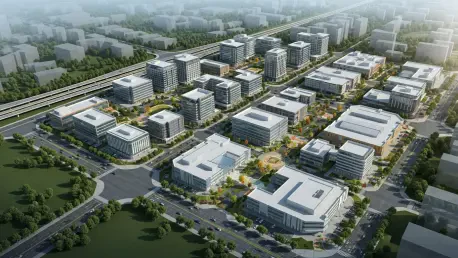

The once-quiet landscape of Bastrop County has undergone a profound metamorphosis, evolving from a simple transit point between Austin and Houston into a formidable economic engine that rivals established metropolitan suburbs. This transformation is most visible along the State Highway 71 corridor, where a surge in commercial permits and real estate investment has signaled a new era of self-sustaining growth for the region. As the population density increases, the demand for sophisticated retail, high-end dining, and professional services has reached an all-time high, prompting both local visionaries and national corporations to secure their presence in this burgeoning market. The current development trajectory suggests that the area is no longer just a bedroom community but a destination in its own right, offering a comprehensive ecosystem for businesses and residents alike. By analyzing the sheer volume of new construction, it is clear that the region is setting a refined standard for expansion.
Integration of Global Brands and Local Entrepreneurship
The infusion of national franchises and specialized local startups has fundamentally altered the consumer experience in the Bastrop and Cedar Creek areas, creating a vibrant retail environment that caters to a growing demographic. At the Chestnut Grove Food Truck Court, PrimeBite has introduced a unique culinary perspective with its Mexican-inspired smash burgers, demonstrating how local entrepreneurs are successfully competing with larger entities. Meanwhile, the Sendero development has emerged as a critical node for recognized brands, providing a centralized location for popular establishments such as Einstein Bros. Bagels and Jersey Mike’s Subs. This influx is not limited to food services, as the arrival of professional amenities like the VIP Nail Salon and Spa indicates a shift toward a more comprehensive service economy. Such developments reflect a strategic effort to provide residents with high-quality options that reduce the need for long-distance travel to nearby major cities.
Looking toward the horizon through 2027, the commercial landscape is set to become even more specialized, with unique concepts designed to meet the evolving tastes of a modernizing populace. The upcoming launch of the Over the Rainbow Spa Bus in Cedar Creek serves as a prime example of the creative entrepreneurship flourishing in the county, offering a mobile nail salon experience that bridges the gap between luxury and convenience. Furthermore, the planned arrival of high-end medical and aesthetic services, such as Westlake Dermatology, signifies a maturing market capable of supporting premium professional offices. Well-known chains like Kung Fu Tea and Freebirds World Burrito are also in the final stages of preparation, ensuring that the local dining scene remains competitive and continues to attract diverse consumer groups. These additions represent more than just individual businesses; they are indicators of a broader economic trend that emphasizes variety and accessibility.
Infrastructure Investment and Regional Economic Expansion
State-level construction filings provide concrete evidence of a long-term commitment to the region’s physical and economic infrastructure, with numerous projects slated for completion between now and 2028. Significant capital is being directed toward community essentials, such as The Learning Experience, which will provide much-needed childcare services for the growing workforce. The development of the Hwy 71 Retail Center in Cedar Creek further underscores the strategic expansion of commercial zones outside the traditional city limits, spreading economic benefits across a wider geographic area. In Smithville, the addition of a new AutoZone retail outlet demonstrates that the current boom is a county-wide phenomenon rather than a localized surge. These investments suggest that the underlying economic foundation is being built to support a larger population base, ensuring that the necessary commercial support systems are in place before further residential densification occurs in the territory.
Modernization efforts are not restricted to new construction, as long-standing institutions and established brands are also evolving to maintain their relevance in this increasingly competitive environment. The Hyatt Regency Lost Pines Resort & Spa continues to act as a major anchor for regional tourism, drawing visitors who contribute significantly to the local tax base and service economy. In a more local context, the total transformation of iconic staples like Whataburger highlights the shift toward modern efficiency; the recent demolition of a twenty-three-year-old facility to build a high-tech outlet illustrates a commitment to upgrading infrastructure for the digital age. This trend of revitalizing existing assets ensures that older retail nodes remain integrated into the new economic fabric of the region. The clustering of businesses at locations like Burleson Crossing East creates high-density commercial hubs that optimize land use and provide a more streamlined shopping experience.
Strategic Path Toward Commercial Maturity
The move from a rural pass-through to a sophisticated suburban center has been characterized by a high level of developer confidence and a steady stream of new construction permits that signal economic stability. This transition is supported by a balanced mix of local innovation and established regional brands, creating a resilient environment that is less susceptible to market fluctuations. Strategic urban planning has allowed for the creation of high-density retail nodes that serve as the backbone of the local economy, providing employment opportunities and strengthening the regional financial outlook. As more businesses choose to plant roots in Bastrop and the surrounding towns, the synergy between different sectors—ranging from healthcare and education to retail and entertainment—continues to grow. This interconnectedness is a hallmark of a maturing hub, positioning the region as a primary destination for investment and a model for how smaller communities navigate rapid modernization.
The evolution of the regional commercial sector provided a blueprint for how strategic infrastructure projects and diverse business arrivals could redefine a local economy. Stakeholders prioritized the development of transit-oriented retail centers and high-quality service amenities, which successfully retained local spending power and attracted outside investment. Investors who recognized the potential of the State Highway 71 corridor early on secured a foothold in what became one of the most dynamic markets in Central Texas. The decision to integrate modern childcare facilities and specialized healthcare services alongside traditional retail ensured a well-rounded approach to community growth. These actions laid the groundwork for a sustainable economic model that balanced rapid expansion with the need for high-quality lifestyle offerings. The coordinated efforts between the public and private sectors transformed the area into a premier destination for business excellence and a hub for regional innovation.