
The vast, arid landscapes of Namibia currently serve as a backdrop for one of the most significant economic transformations in Southern Africa as the nation attempts to pivot from a traditional mining base toward an energy-driven future. While the recent reports from the Institute of Public Policy Research and R&J Steytler Management Consultants highlight a consistent period of expansion, they also point toward a necessary recalibration of growth forecasts to reflect a more sobering global reality. This shift suggests that the initial euphoria surrounding offshore discoveries is being replaced by a pragmatic recognition of the internal structural adjustments required to sustain long-term development. Navigating this transition requires more than just geological luck; it demands a sophisticated approach to fiscal policy that can withstand external volatility while fostering an environment conducive to domestic innovation. As the nation moves deeper into this year, the focus has shifted from the mere presence of wealth to the effectiveness of the institutions tasked with managing it for all citizens.
Managing Monetary Stability and Inflationary Pressures
Maintaining a stable macroeconomic environment has become a central focus for the Bank of Namibia, particularly as global inflationary pressures continue to exert influence on the local cost of living. To address these challenges, the central bank recently executed a series of interest rate adjustments designed to tighten liquidity and safeguard the fixed exchange rate parity with the South African rand. This proactive stance was essential to curb the rising costs of imported goods, especially fuel and essential foodstuffs, which have direct implications for the purchasing power of the average citizen. By prioritizing price stability, policymakers are attempting to provide a predictable landscape for both consumers and investors who are wary of the price shocks seen in neighboring markets. Although higher borrowing costs can temper immediate domestic demand, the long-term benefit of a controlled inflation rate is seen as a prerequisite for the capital-intensive projects that are currently entering the development pipeline across the energy sector.
In tandem with interest rate management, the country has maintained a robust level of foreign exchange reserves, which serves as a critical buffer against the inherent volatility of the international financial markets. These reserves ensure that the nation can meet its external obligations and support the currency peg, which is vital for maintaining trade relations within the Common Monetary Area. The current level of import cover remains healthy, providing a sense of security that is often absent in other emerging economies facing similar resource booms. This financial resilience allows the government to negotiate from a position of strength when dealing with international development partners and multinational corporations. However, the reliance on a few key commodity exports for these reserves highlights an ongoing vulnerability that the state is eager to address through broader economic diversification. Sustaining this level of fiscal health will require continued discipline in public spending and a strategic focus on expanding the tax base beyond the traditional sectors.
Strategic Integration of Natural Resource Wealth
The discovery of substantial offshore oil and gas deposits, notably the Venus and Graff fields, has positioned the country as a burgeoning energy hub on the Atlantic coast of the African continent. While the technical potential of these reserves is undeniable, the timeline for commercial production remains a significant factor that requires careful management of public expectations. Developing the necessary deep-water infrastructure and processing facilities involves years of intensive capital investment and coordination with global energy majors who bring both expertise and financial resources. It is crucial to understand that these resources do not represent an immediate windfall for the national treasury but rather a long-term asset that must be developed with a focus on local content and value addition. Experts emphasize that the period between discovery and production is the most critical time for establishing the legal and regulatory frameworks that will govern the sector. Ensuring that the benefits of these discoveries reach all levels of society is a complex task.
Avoiding the traditional pitfalls associated with sudden resource wealth, often referred to as the resource curse, is a primary objective for the current administration as they look toward the future. There is a concerted effort to ensure that the influx of energy-related investment does not lead to the neglect of other vital sectors such as tourism, agriculture, and manufacturing. Instead of viewing oil and gas as the sole engine of growth, the government is encouraged to use the projected revenues as a catalyst for funding innovations in the green hydrogen sector and other sustainable technologies. This approach aims to create a more balanced economic structure that is not entirely dependent on the fluctuating prices of global oil markets. By investing in human capital through specialized education and technical training, the nation can build a workforce capable of supporting a high-tech industrial base. The goal is to transform temporary geological wealth into permanent human and physical capital that will sustain the country for decades.
Strengthening Infrastructure and Industrial Competitiveness
The modernization of the national logistics network stands as a prerequisite for turning the country into a competitive regional gateway for landlocked neighbors in the Southern African Development Community. Significant structural reforms are being implemented within state-owned enterprises, particularly the national rail operator, to improve efficiency and reduce the high costs of transporting goods across the vast interior. A revitalized railway system would not only support the mining and energy sectors but also provide a boost to local producers seeking to reach international markets through the Port of Walvis Bay. These improvements in physical infrastructure must be accompanied by the digitization of customs and administrative processes to facilitate smoother cross-border trade. By positioning itself as a reliable and efficient logistics hub, the nation can attract a wider range of industrial investments that are currently deterred by the high overhead costs of regional distribution. This focus on connectivity is essential for building a resilient economy.
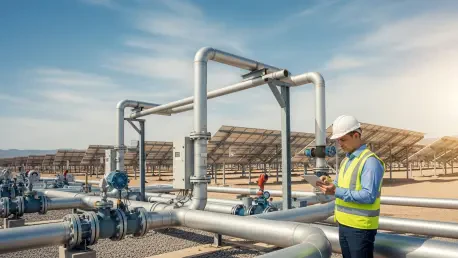
Addressing the systemic challenges of high electricity and water costs is another critical component of the national strategy to attract large-scale industrial players and manufacturing firms. As an arid nation, the sustainable management of water resources through desalination and advanced recycling techniques is not just an environmental concern but a core economic necessity. Similarly, the transition toward a more diverse energy mix, including solar and wind power, is intended to reduce the reliance on expensive imported electricity while providing a stable supply for industrial zones. To bridge the significant funding gap for these large-scale utility projects, the government is increasingly looking toward innovative financing mechanisms such as green bonds and public-private partnerships. These financial tools allow the state to share risks with the private sector while ensuring that essential infrastructure is developed to modern standards. By lowering the cost of doing business, the nation can create a more inviting environment for domestic entrepreneurs.
Cultivating a Skilled Workforce and Institutional Integrity
Namibia’s long-standing reputation for institutional stability and a secure business environment remains its most valuable asset in attracting long-term commitments from global investors. While the presence of natural wealth is a draw, the consistency of the legal system and the protection of property rights are what ultimately determine the success of large-scale projects. There is a growing recognition that the quality of policy implementation is just as important as the policies themselves, requiring a civil service that is both agile and accountable. Strengthening the transparency of government procurement and improving the ease of doing business are ongoing efforts aimed at reducing bureaucratic friction. Furthermore, fostering a collaborative relationship between the public sector and the private sector is essential for identifying the specific bottlenecks that hinder growth at the local level. By maintaining a predictable regulatory environment, the country can differentiate itself from more volatile markets and establish itself as a preferred destination.
The transition toward a diversified and resilient economy required a departure from historical dependencies, focusing instead on the strategic integration of renewable energy and logistics. Policymakers recognized that the mere extraction of natural resources would not suffice to elevate the standard of living for the majority of the population without meaningful structural change. By prioritizing the establishment of a sovereign wealth fund, the government ensured that a significant portion of newfound revenues was preserved for future generations and strategic infrastructure projects. This proactive stance allowed the country to invest in high-tech vocational training programs, which effectively bridged the gap between academic theory and the practical demands of a modern industrial workforce. Furthermore, the decision to streamline the regulatory framework for small and medium-sized enterprises fostered a culture of entrepreneurship that thrived alongside the burgeoning energy sector. These actions collectively established a blueprint for leveraging resource wealth into lasting growth.