
Navigating the Dawn of a New Diplomatic Era
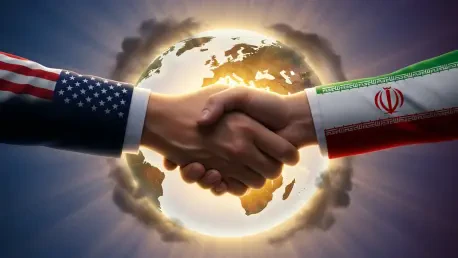
The sudden announcement of a major breakthrough in diplomatic relations between Washington and Tehran has effectively pulled the global economy back from a catastrophic precipice. After a grueling three-month conflict that pushed the Middle East to the brink and sent shockwaves through energy markets, this diplomatic pivot offers a rare glimmer of hope. By establishing a framework for the immediate cessation of hostilities and a roadmap for long-term reconciliation, the deal aims to address not just a localized war, but the systemic vulnerabilities of a globalized world.
This article explores whether this agreement can truly restore global stability. The analysis examines the mechanics of the deal—including the vital reopening of maritime corridors and the upcoming nuclear negotiations—and evaluates the reactions of the international community. From the immediate cooling of oil prices to the strategic maneuvers of the G7, these insights detail the complexities of this fragile peace and what it means for the future of global security.
The Roots of Friction and the Path to De-escalation
To understand the weight of the June agreement, the focus must remain on the intense volatility that preceded it. The three-month conflict was more than a military standoff; it functioned as a chokehold on the most critical energy artery in the world. Past years of pressure campaigns and nuclear non-compliance had created a landscape of deep-seated mistrust. This historical friction reached a breaking point when naval blockades and oil sanctions threatened to plunge the global economy into a deep recession, reminiscent of the energy crises of the 1970s.
The breakthrough was not a solo effort by the primary combatants. The mediation roles played by Pakistan and Qatar were instrumental, signaling a shift in how Middle Eastern conflicts are resolved. By utilizing neutral ground and regional intermediaries, the parties were able to move past ideological rhetoric toward a memorandum of understanding. This background is essential because it highlights that the current peace is not merely a bilateral truce but a multilateral necessity driven by the urgent requirement for economic and maritime predictability.
Analyzing the Core Pillars of the June 2026 Agreement
Economic Relief and the Restoration of Energy Corridors
One of the most critical aspects of the agreement involves the commitment to reopen the Strait of Hormuz within 30 days. As a vital corridor for world energy, the unconditional and unrestricted freedom of navigation promised by Iran is a massive win for global trade. The immediate market response validates this significance; following the announcement, Brent crude fell by 4% and WTI dropped nearly 5%. This data suggests that the mere promise of stability can de-escalate the inflationary pressures that have been straining household budgets and industrial output worldwide.
The Nuclear Question and Verifiable De-escalation
While the cessation of active warfare is a relief, the durability of the agreement hinges on the 60-day period of intensive nuclear negotiations scheduled to take place in Switzerland. The European E4 nations—the U.K., France, Germany, and Italy—have made it clear that their support and the lifting of further sanctions are contingent upon verifiable steps to curb nuclear ambitions. This adds a layer of complexity; the deal is not a final destination but a gateway to a more rigorous inspection and compliance regime. Challenges remain in balancing a desire for economic sovereignty with the international community’s demand for non-proliferation.
Multilateral Diplomacy and the Global Response
The agreement has garnered broad support from a diverse array of global leaders, highlighting its role as a victory for diplomacy over kinetic force. U.K. Prime Minister Keir Starmer and Japanese Prime Minister Sanae Takaichi have both reinforced the idea that the freedom of navigation is non-negotiable, effectively making the Strait of Hormuz a global commons under this new deal. Meanwhile, UN Secretary-General António Guterres and Australian Prime Minister Anthony Albanese have pointed to the deal as a necessary relief valve for global markets. This collective endorsement helps dispel the misconception that the deal is a sign of weakness; rather, it is being framed as a strategic correction to protect the global financial system.
Long-Term Implications for Global Trade and Security
Looking ahead, several emerging trends suggest that this peace deal could reshape the geopolitical landscape. The upcoming G7 summit in France is expected to be the primary laboratory for coordinating the international response, potentially leading to a more unified approach to Middle Eastern security. There is likely to be a shift in monetary policy as well; central banks, no longer haunted by the immediate threat of triple-digit oil prices, may find the breathing room necessary to manage interest rates more effectively and foster growth.
Technologically and regulatorily, this period of de-escalation may accelerate innovations in maritime security and monitoring. If the 60-day nuclear talks succeed, a new precedent could be set for how regional powers interact with global oversight bodies. However, expert predictions remain cautiously optimistic; the peace is currently a memorandum, and the transition from a ceasefire to a lasting security architecture will require unprecedented levels of transparency and consistent implementation of the agreed-upon terms.
Strategic Considerations for Global Stakeholders
The major takeaway from this diplomatic breakthrough is that stability is a collective responsibility. For businesses and investors, the immediate drop in oil prices offers a window to hedge against future volatility, while for policymakers, it provides a template for using regional mediators to solve high-stakes deadlocks. The success of the deal depends on adhering to strategic best practices that prioritize long-term cooperation over short-term gains.
Stakeholders should closely watch the Switzerland negotiations, as the nuclear framework will determine the long-term viability of sanction relief. Furthermore, while the Strait of Hormuz may be reopening, the recent conflict underscores the importance of maintaining diverse energy supply chains. Engagement over isolation remains the most effective strategy, as the role of the E4 and G7 nations suggests that multilateral pressure combined with economic incentives is more effective than unilateral action.
Rebuilding Stability in a Fragmented World
In summary, the peace deal represented a vital step away from a global economic catastrophe. By prioritizing the freedom of navigation and opening the door for nuclear transparency, the agreement addressed the two most volatile elements of the relationship. While the drop in oil prices and the support of the international community served as positive indicators, the true test resided in the formal negotiations that followed the announcement.
This topic remained significant because it proved that even the most entrenched conflicts found a path toward resolution through mediated diplomacy. As the world moved toward the signing in Switzerland and the subsequent G7 summit, a state of cautious optimism prevailed. The restoration of global stability became a tangible possibility because all parties remained committed to the delicate balance of concessions and compliance established in the historic memorandum.