
The informal market’s reaction to local news and scarcity is now instantaneous, with price discovery occurring primarily through Telegram and Facebook groups. This digital ecosystem has become the primary indicator for the real-world value of the Cuban peso, which is currently experiencing a period of unprecedented volatility against the dollar and the euro. In the current economic climate of late 2026, the local currency often feels like a liability rather than a stable medium of exchange. Citizens and businesses alike find themselves monitoring social media feeds around the clock just to determine the cost of a loaf of bread or a gallon of fuel. This shift toward informal price-setting reflects a broader loss of confidence in traditional banking structures, which have struggled to provide sufficient liquidity for those needing foreign exchange. Consequently, the parallel market has evolved from a secondary convenience into a vital survival mechanism for the population, effectively dictating the rhythm of daily life and commerce across the island.
The Dominance of the Informal Exchange Market
The state-run banking system in Cuba has largely been sidelined by an expansive and unregulated parallel market that operates with its own set of rules and logic. As the Central Bank of Cuba faces dwindling reserves of hard currency, its ability to intervene in the market or satisfy the massive demand for United States dollars and euros has effectively evaporated. This vacuum has been filled by a grassroots network of buyers and sellers who negotiate rates based on real-time scarcity and political developments. Because official exchange offices often have no physical cash to sell, the informal market has become the only reliable source for anyone looking to protect their savings or purchase imported goods. This transition toward a decentralized financial landscape has stripped the government of its traditional role as the arbiter of currency value, leaving the peso to float according to the collective sentiment of thousands of individual traders on the digital street.
Modern communication technology has fundamentally transformed how the peso’s value is determined, moving the process away from physical street corners to decentralized digital platforms. Telegram and Facebook groups now serve as the primary hubs for high-frequency trading, where thousands of posts are analyzed daily to establish a consensus price for foreign exchange. This digital landscape allows for a level of transparency and speed that was previously impossible, but it also introduces a new kind of volatility driven by rumors and rapid sentiment shifts. A single news story or a viral post about a potential policy change can cause the peso to lose value in a matter of minutes, as traders react instantaneously to perceived risks. This fast-moving environment creates a constant state of anxiety for those who must buy currency for basic needs, as they never know if the market will shift again before they can complete a transaction.
Economic Performance: The Rift Between Policy and Reality
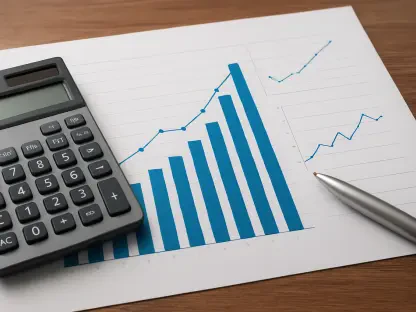
Recent trading data highlights a staggering ascent for the United States dollar, which recently reached a historic high of 827 Cuban pesos on the informal market. This figure represents an aggressive upward trend, with the dollar gaining significant ground over a mere thirty-day period as inflationary pressures continue to mount. Investors and ordinary citizens have watched the dollar climb by over one hundred pesos in a month, reflecting a deep-seated anxiety about the future stability of the local economy. At the same time, the euro has maintained its position as a dominant and even more expensive currency, closing recently at approximately 915 pesos. This valuation places the European currency at a significant premium over the dollar, a gap that has widened as more Cubans look toward Europe for trade and remittances. This disparity underscores the global nature of the nation’s economic challenges and the high cost of accessing international markets.
A major driver of the ongoing currency crisis is the persistent and massive disconnect between the Central Bank’s official exchange rates and the prices established on the street. Despite the introduction of specialized exchange mechanisms like Segment III, which were intended to offer a more flexible framework for currency conversion, official rates remain stuck far below market reality. For instance, while the informal market sees the dollar trading well above 800 pesos, official state figures often lag behind by nearly one hundred pesos. This gap creates a distorted incentive structure where individuals and businesses have no reason to use official banking channels for their exchange needs. When the government attempts to adjust its rates, the changes are often too small and come too late to narrow the divide with the parallel market. This mismatch effectively creates two parallel economies: one for state statistics and one for actual daily life.
The Path Forward: Lessons From the Currency Crisis
Beyond the abstract numbers and exchange charts, the collapse of the peso has a visceral and devastating impact on the daily lives of the population. As the dollar and euro continue to break records, the price of basic imported goods and services follows suit, leading to a severe cost-of-living crisis that affects every household. For individuals earning fixed salaries in Cuban pesos, their purchasing power is effectively being erased by the rapid pace of inflation, making it difficult to afford even the most fundamental necessities. This economic pressure forces families to make impossible choices between food, medicine, and other essential expenses, as the de facto dollarization of the economy leaves those without access to foreign remittances in a precarious position. The psychological toll of living in financial uncertainty cannot be overstated, as the dream of a stable future slips further away with every increase in the informal rate.
The economic trajectory of late 2026 demonstrated that traditional monetary interventions were insufficient to halt the peso’s decline without broader structural reforms. Stakeholders identified that diversifying currency holdings and investing in tangible assets became essential strategies for mitigating the impact of hyperinflation. Leaders in the private sector prioritized the development of more resilient supply chains that relied less on immediate foreign exchange conversions to maintain operations. Analysts suggested that the path forward required a genuine unification of exchange rates and a significant increase in domestic production to reduce the heavy reliance on expensive imports. By focusing on creating a more transparent and accessible formal market, the authorities could have started to rebuild the public trust that was lost during this period of extreme volatility. Ultimately, the lessons learned underscored the necessity of aligning official policy with the reality of market demand.