
The sudden and dramatic intensification of conflict across the Persian Gulf has recently triggered a staggering fifty-seven percent drop in regional oil production, effectively removing fourteen and a half million barrels of crude oil from the daily global supply chain and forcing international energy markets into an unprecedented state of emergency. In response to this catastrophic disruption, the International Energy Agency has authorized a historic release of four hundred million barrels of oil from emergency stockpiles to prevent a total economic collapse. Central to this global stabilization effort is the United States Strategic Petroleum Reserve, which is currently deploying one hundred seventy-two million barrels into the market. This massive infusion aims to bypass the total closure of the Strait of Hormuz, yet the physical movement of these reserves remains the most significant logistical hurdle. Without a functional and high-capacity network of pipelines and storage facilities, these barrels would remain trapped underground, unable to reach the refineries that keep the world moving.
Infrastructure Sovereignty and the Logistics of Relief
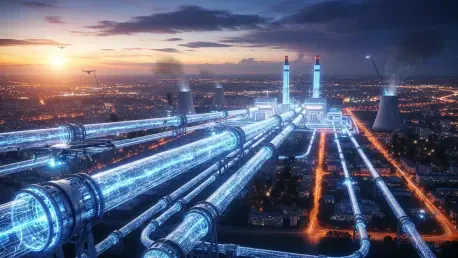
As the energy sector grapples with these shortages, industry experts have identified midstream giants as the critical facilitators capable of bridging the widening supply gap. Enterprise Products Partners and Enbridge have emerged as the primary gatekeepers of this process, largely due to their joint ownership of the Seaway Pipeline system. This specific infrastructure is vital because it serves as the primary artery connecting the Strategic Petroleum Reserve to crucial Gulf Coast refineries and export docks. Enbridge currently manages nearly one-third of all crude oil produced across North America, providing a level of scale that few other entities can match. Furthermore, the company operates the largest export terminal on the continent at Ingleside, which allows for the rapid loading of tankers bound for international allies. These logistical networks act as the essential plumbing of the global energy industry, ensuring that emergency crude flows efficiently from deep storage caverns to the high-demand areas where it is most needed during this volatile period.
Plains All American Pipelines played an equally decisive role by leveraging its extensive twenty-thousand-mile pipeline network and seventy-five million barrels of storage capacity to facilitate rapid distribution. The company utilized its significant stake in the Capline system to reverse historical flow patterns, allowing emergency reserves to reach markets that were previously isolated from traditional supply routes. This crisis demonstrated that the most resilient energy assets were not necessarily the production fields themselves, but the sophisticated transportation and storage hubs that maintained market liquidity. Moving forward, investors and policymakers recognized the necessity of prioritizing midstream modernization to ensure that future geopolitical shocks did not result in total system failure. By investing in expanded terminal capacity and redundant pipeline corridors, the industry effectively mitigated the immediate risks of the Persian Gulf blockade. The ultimate takeaway from this period was that energy security depended entirely on the robustness of the physical infrastructure that connected national reserves to the global consumer base.