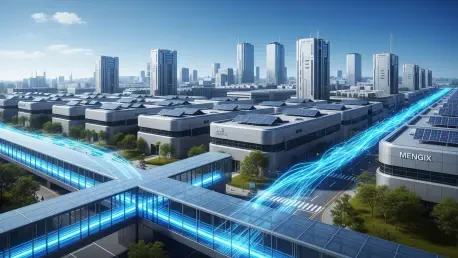

South Korea stands at a critical juncture where its dominance in the global semiconductor market must now serve as the primary engine for a total economic overhaul intended to secure its position as an Irreplaceable Korea by the end of this decade. While many nations struggle with stagnant productivity, the Seoul government has introduced a bold 3-4-5 strategy, aiming for a consistent 3 percent potential growth rate, ascending to the rank of the world’s fourth-largest exporter, and pushing per capita income to a historic $50,000 threshold. This roadmap represents more than just a fiscal target; it is an aggressive pivot toward high-tech self-reliance and regional equity in a world increasingly defined by technological silos. By leveraging current surpluses from the silicon boom, policymakers hope to insulate the country from the traditional boom-and-bust cycles that have historically plagued export-heavy economies. The success of this vision hinges on an unprecedented synergy between state intervention and private sector agility, ensuring that every layer of society benefits from the digital frontier.
Fiscal Readiness and Industrial Mega-Projects
Fiscal Foundations: Strengthening the National Balance Sheet
The robust fiscal health currently enjoyed by the administration has provided a vital buffer for the implementation of these high-stakes economic reforms, particularly as tax revenues from the silicon sector exceed previous expectations. Strong semiconductor prices have stabilized the national debt ratio, allowing the government to reallocate resources toward long-term structural changes without compromising immediate economic stability. This fiscal headroom is being utilized to transition from a period of cautious spending to one of aggressive investment in the nation’s infrastructure and technological foundations. By managing these windfalls with precision, the government intends to shift the national potential growth rate from its previous low estimates to a sustained 3 percent. This objective requires not only capital but a meticulous alignment of tax incentives and regulatory easing to ensure that the private sector remains the primary driver of this expansion. The focus remains on turning temporary profit into a permanent growth engine.
Strategic fiscal management serves as the cornerstone of this transformation, ensuring that the surge in export growth translates into a more resilient and versatile domestic economy. Rather than simply absorbing the current surplus, the administration is channeling funds into a specialized future response fund designed to mitigate the risks of global market volatility. This approach ensures that the pursuit of a $50,000 per capita income is grounded in sustainable economic practices rather than temporary market fluctuations. By prioritizing sector-specific support, the government aims to catalyze growth in emerging fields like green energy and bio-health, mirroring the success of the semiconductor industry. This diversification is essential for maintaining the nation’s competitive edge as global trade patterns continue to shift in favor of high-value, specialized goods. The emphasis on fiscal readiness demonstrates a proactive stance, where financial stability is not an end in itself but a tool for achieving the ambitious targets set forth in the roadmap.
Industrial Evolution: The Triple Mega-Project Strategy
Central to the industrial vision are three massive mega-projects that represent a staggering investment of 1,350 trillion won, aimed at securing a dominant position in the global tech hierarchy. These projects are designed to double the production capacity of high-bandwidth memory chips, ensuring that the nation remains the primary provider for the global artificial intelligence revolution. By establishing decentralized semiconductor hubs throughout the country, the government is working to prevent the concentration of industrial power in a single region, thereby creating a more robust and resilient supply chain. These hubs will act as the nerve centers for next-generation hardware development, attracting both domestic startups and international collaborators. This geographic expansion is coupled with the integration of smart manufacturing technologies, allowing traditional factories to operate with the efficiency of modern tech firms. The goal is to create an industrial landscape where cutting-edge production techniques are the standard.
Furthermore, the 3-4-5 strategy places a significant emphasis on building an extensive artificial intelligence data center infrastructure to support the growing demands of the digital economy. This digital backbone is intended to facilitate the seamless integration of robotics and automated systems into legacy industries such as shipbuilding and heavy manufacturing. By modernizing these established sectors, the government hopes to ensure that the benefits of the technology boom are felt across the entire industrial spectrum, rather than being confined to the semiconductor field. This integration is vital for maintaining the global competitiveness of the nation’s older industries, which have faced increasing pressure from regional rivals. The infusion of artificial intelligence into these sectors is expected to drive significant productivity gains, helping to achieve the ambitious growth targets outlined in the strategic roadmap. This comprehensive approach to industrial development ensures that every facet of the economy is equipped to handle the challenges.
Growth and Resilience
Regional Synergy: Decentralizing the Economic Engine
To address the persistent economic disparities between the Seoul metropolitan area and the outlying provinces, the government has launched a new regional framework known as the 5 Poles, 3 Special Zones. This decentralized approach encourages local municipalities to lead their own industrial development based on their unique geographical and economic strengths, rather than following a one-size-fits-all plan from the central government. By empowering regional hubs, the administration aims to create a more balanced national economy where innovation can flourish outside of the capital city. These specialized zones will focus on niche industries such as renewable energy, aerospace, and advanced materials, providing a diverse range of economic opportunities for local residents. This shift in strategy recognizes that sustainable national growth requires the active participation of all regions, each contributing to the collective success of the 3-4-5 initiative. The focus on regional autonomy is expected to spark entrepreneurship.
Supporting this regional shift is a massive commitment to workforce development, with the government planning to train 100,000 highly specialized professionals to staff the high-tech economy. This initiative involves the establishment of semiconductor-focused universities and vocational training centers that work in close partnership with leading technology corporations. By aligning educational curricula with the specific needs of the industry, the government ensures that the next generation of workers is prepared for the complexities of modern manufacturing and research. This talent pipeline is essential for maintaining the nation’s technological leadership and for attracting foreign investment into the newly created regional hubs. Moreover, these programs offer retraining opportunities for workers in declining industries, ensuring that the transition to a high-tech economy does not leave segments of the population behind. The focus on human capital reflects the understanding that technological dominance is only possible with a skilled workforce.
Future Outlook: Addressing Risks and Market Volatility
Despite the optimistic outlook presented by the 3-4-5 strategy, the domestic economy is currently grappling with a widening gap between the high-performing tech sector and traditional industries. This polarization poses a significant threat to long-term stability, as record-breaking export figures have yet to translate into tangible benefits for the average citizen or the service industry. Sluggish domestic demand and slow growth in the construction and employment sectors suggest that the benefits of the semiconductor boom are concentrated within a narrow segment of the economy. This internal divide risks creating a two-tiered society where tech workers thrive while those in legacy manufacturing and services face stagnation and rising costs. Addressing this imbalance is a primary focus of the government’s recent policy shifts, which aim to broaden the impact of technological success through targeted support for small and medium-sized enterprises. Without a more inclusive distribution of wealth, targets may face social headwinds.
The final phase of this economic transition required a decisive move toward diversifying the industrial base beyond its current reliance on hardware manufacturing and chip exports. Government agencies prioritized the integration of service-oriented technologies and high-value software development to ensure that the nation remained indispensable in the global digital ecosystem. Policymakers acted to bridge the gap between high-tech hubs and local businesses by implementing tax breaks for companies that shared innovation with provincial partners. Leaders also recognized that energy security was a prerequisite for industrial stability, leading to accelerated investments in nuclear and hydrogen power to lower production costs. This holistic approach aimed to stabilize the domestic market while the international stage remained volatile and unpredictable. By focusing on the resilience of small-scale enterprises and the adaptability of the workforce, the administration sought to protect the broader population from global cycles.