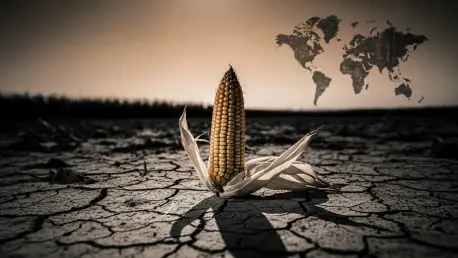

The global economy currently finds itself entangled in a bizarre and unsettling contradictions where the traditional rules of supply and demand seem to have been rewritten overnight. While motorists and industrial manufacturers are seeing significant relief at the pump and in their utility bills, the cost of the basic ingredients needed to sustain human life is climbing toward record highs. This fragmentation of the market represents a departure from the historical synchronization of energy and agriculture, creating a world where crude oil is in surplus while the specialized inputs required for food production are in shorter supply than ever. This disconnect suggests that the broader cooling of commodity prices is failing to reach the dining table, leaving millions of people vulnerable to a crisis that lower oil prices were supposed to prevent.
The Global Oil Surplus and Commodity Deflation
Analyzing the Macroeconomic Cooling Trend
The prevailing narrative in the current international market is one of a broad and sustained cooling of prices for the vast majority of raw industrial goods. Market indices that track essential commodities have entered a definitive downward trajectory, with projections indicating a significant decline over the next two years that could bring costs back to levels seen during the global lockdowns of the early 2020s. This deflationary trend is anchored by a massive global oil surplus, currently estimated at approximately 1.2 million barrels per day. Such an excess of supply is not merely a statistical anomaly but the result of a deliberate expansion in production from non-OPEC+ nations alongside a visible slowdown in industrial demand from major economic hubs. Consequently, the price of crude oil continues to soften, providing a much-needed buffer for the transportation and manufacturing sectors, which have struggled with volatility in previous cycles.
Despite this apparent abundance of energy, the cooling of the macro economy has not been uniform across all sectors, creating a deceptive sense of stability. While the price of industrial metals and raw energy sources falls, the underlying structure of the global market is becoming increasingly siloed. This means that the deflationary pressures felt in the automotive or construction industries are not translating into lower operational costs for other essential areas. Economists are observing that the sheer volume of available oil is currently acting as a drag on general inflation figures, masking the much more aggressive price hikes occurring in specialized niches. As industrial demand remains tepid due to high interest rates and shifting consumer habits, the surplus of fossil fuels continues to grow, yet the benefits of this cheap energy are being bottlenecked by logistical and geopolitical factors that specifically target the agricultural supply chain.
The Decoupling of Energy and Agriculture
Under traditional economic models, a drop in the price of crude oil would almost immediately lead to reduced costs for farmers, as fuel for tractors and transportation becomes more affordable. However, the current landscape of 2026 has seen this foundational relationship fundamentally decouple, leaving the agricultural sector stranded in a high-cost environment. While it is true that filling a fuel tank has become cheaper, the specific inputs required for high-yield, modern farming—most notably natural gas and refined nitrogen fertilizers—remain caught in a separate, inflationary cycle. This lopsided economic environment defies traditional logic and suggests that the era of “cheap food driven by cheap oil” may be coming to an end. The decoupling is particularly visible in the divergence between Brent crude prices and the price of anhydrous ammonia, which serves as a core component for most modern crop nutrition programs.
This separation of energy and food prices creates a paradoxical situation where the abundance of fuel does nothing to solve the scarcity of nutrients. Farmers find themselves in a position where their variable costs for fuel are down, but their fixed costs for essential chemicals are reaching unsustainable levels. This phenomenon is largely due to the fact that while oil is plentiful, the natural gas markets—which are the primary feedstock for fertilizer production—are operating under entirely different supply constraints. Furthermore, the specialized infrastructure required to move agricultural chemicals is under strain, meaning that even if production costs were to drop, the cost of getting these products to the field remains elevated. This disconnect has fundamentally altered the profitability of large-scale farming, forcing a shift in how agricultural producers plan their seasonal budgets and manage their long-term risks in an increasingly volatile climate.
Geopolitical Shocks and the Fertilizer Crisis
The Impact of Regional Conflict on Crop Nutrients
The most significant driver of the current rise in food costs is a sudden and violent spike in the price of fertilizers, which surged by more than 26% in a single month. This rapid escalation is directly linked to military initiatives in the Middle East, specifically those impacting the maritime security of the Strait of Hormuz. Because this single narrow waterway facilitates the transit of nearly one-third of the world’s traded fertilizer supply, any disruption to its safety creates an immediate and severe “war premium” on every ton of product. Nitrogen-based urea, a staple for grain production, saw its price jump by a staggering 46% as shipping insurance rates skyrocketed and vessels were rerouted around the Cape of Good Hope. These geopolitical tensions have effectively trapped the fertilizer market in a state of artificial scarcity, regardless of how much oil is being produced in other parts of the world.
Beyond the immediate shipping disruptions, these regional conflicts have also impacted the processing plants that turn raw gas into the nutrients required for global agriculture. Many of the world’s most efficient fertilizer manufacturing facilities are located in close proximity to the natural gas fields of the Persian Gulf, making them highly vulnerable to regional instability. When these facilities face operational shutdowns or reduced export capacity due to security threats, the global supply of urea and phosphates contracts almost instantly. This creates a ripple effect throughout the global food chain, as the lack of available fertilizer today leads to lower crop yields tomorrow. The current crisis highlights the extreme vulnerability of the modern food system to localized geopolitical shocks, proving that energy independence in the West does not necessarily equate to food security if the primary inputs for farming remain tied to volatile regions.
Threats to Future Harvest Yields
High fertilizer costs are currently triggering a phenomenon known as “demand destruction” at the farm level, as growers across the globe find themselves unable to justify the purchase of essential nutrients. In the Northern Hemisphere, where the spring planting season is critical for global grain supplies, many farmers are choosing to either reduce their application rates or switch to crops that require less nitrogen, such as soybeans. While this might save the individual farmer money in the short term, the collective impact on global food production is likely to be catastrophic. If the soil does not receive the necessary nutrients during the initial growth phases, the eventual harvest yields for 2026 and 2027 will fall far short of historical averages. This shortfall threatens to transform a temporary price spike into a multi-year global hunger crisis, as the world’s grain reserves are already at their lowest levels in decades.
The long-term implications of these reduced yields are particularly dire for low-income nations that depend heavily on imported staples like wheat and corn. As the supply of these grains tightens due to poor harvests, the competition for the remaining stock will drive prices even higher, effectively pricing the most vulnerable populations out of the market. This scenario creates a feedback loop where high input costs lead to lower production, which then leads to higher consumer prices and increased social instability. International aid organizations have warned that if the fertilizer market does not stabilize before the next major planting cycle, the world could see a significant increase in acute food insecurity. The success of the global food system is currently hanging by a thread, as the ability of farmers to produce enough food for a growing population is being directly undermined by the prohibitive cost of the very chemicals that made the Green Revolution possible.
Corporate Winners and Market Losers
Strategy Shifts for Industrial and Farming Giants
The widening gap between energy costs and agricultural inputs has forced a dramatic strategic realignment among the world’s largest industrial and farming corporations. Fertilizer producers, such as CF Industries and Nutrien, find themselves in a high-risk, high-reward cycle where they are realizing record-high prices for their products but are also facing immense pressure from rising feedstock costs and logistical hurdles. These companies are currently prioritizing the optimization of their supply chains to ensure that their products reach the highest-paying markets, often at the expense of smaller, less profitable regions. Meanwhile, the sudden surge in fertilizer prices has forced these firms to adopt more flexible pricing models to protect their margins against the extreme volatility of natural gas markets. This corporate maneuvering is essential for their survival but adds another layer of complexity to the global pricing structure of food.
In sharp contrast to the fertilizer giants, manufacturers of agricultural machinery, like Deere & Company, are facing significant headwinds as the farming economy cools. When faced with the choice between purchasing essential nutrients for their crops or upgrading to a newer, more efficient harvester, most farmers are understandably prioritizing the former. This has led to a cooling outlook for tractor sales and a general slowdown in the adoption of expensive new hardware across the agricultural sector. Machinery companies are now being forced to pivot their business models toward service, maintenance, and software-as-a-service (SaaS) offerings to offset the decline in equipment sales. This shift reflects a broader trend in the industry where the focus is moving away from physical expansion and toward the precision management of existing resources, as farmers attempt to squeeze every bit of value out of their increasingly expensive inputs.
Logistics Firms Navigating Global Volatility
Global grain trading majors, often referred to as the “ABCD” companies, are attempting to navigate this period of intense volatility by leveraging their massive logistics networks. These firms, including Archer-Daniels-Midland and Bunge, traditionally thrive on price dislocations and shipping disruptions, as their ability to source grain from unaffected regions gives them a significant competitive advantage. By utilizing advanced data analytics and satellite monitoring, these trading houses can predict harvest shortfalls and shift their procurement strategies in real-time to maintain their profit margins. However, even these titans of trade are not immune to the risks of a total contraction in global trade volumes. If food prices remain high enough to stifle demand entirely in emerging markets, the resulting drop in shipping activity could harm the very entities that usually benefit from market instability.
Furthermore, these logistics giants are increasingly investing in their own storage and processing infrastructure to bypass the bottlenecks created by regional conflicts. By owning more of the supply chain from the farm gate to the end consumer, they can better manage the risks associated with volatile shipping lanes and fluctuating fuel costs. This vertical integration is a direct response to the “transmission crisis” where lower energy prices are not reaching the agricultural sector through traditional channels. While these strategies allow large trading firms to maintain stability, they also consolidate power within a few massive organizations, potentially reducing competition and transparency in the global food market. The ability of these firms to manage the current crisis will be a major factor in determining whether the global food supply remains functional or if the current price spikes lead to a more permanent breakdown in trade.
Regulatory Pressures and Humanitarian Risks
The Burden of New Carbon Taxes
The agricultural landscape is being further complicated by the introduction of stringent international regulations, most notably the European Union’s Carbon Border Adjustment Mechanism (CBAM). This “carbon tax” on fertilizer imports is designed to level the playing field for domestic producers who must comply with strict environmental standards, but it has inadvertently established a higher price floor for nitrogen products globally. By requiring producers to account for the carbon intensity of their manufacturing processes, the regulation has added a structural cost to every ton of fertilizer that enters the European market, which then ripples through global pricing benchmarks. This move toward sustainability, while noble in its intent, has arrived at the worst possible moment for global food security, as it adds a regulatory burden on top of already inflated production and shipping costs.
In addition to carbon taxes, the decoupling of oil and natural gas prices has been exacerbated by domestic environmental policies that limit the expansion of gas infrastructure in certain regions. Because natural gas is the primary feedstock for nitrogen-based fertilizers, any regulation that increases the cost of gas or restricts its supply directly impacts the price of food. This has created a “perfect storm” where environmental goals and food security needs are in direct conflict. Policymakers are now facing the difficult task of balancing the transition to a low-carbon economy with the immediate need to keep food affordable for the world’s growing population. As long as these regulatory pressures remain in place without significant subsidies for green fertilizer production, the cost of farming will continue to diverge from the general deflationary trends seen in the broader energy and industrial sectors.
Mobilizing a Global Response to Food Insecurity
In response to the escalating threat of a global hunger crisis, international organizations and financial institutions have mobilized tens of billions of dollars in emergency funding. The World Bank and various humanitarian agencies are working to create a safety net for the estimated 327 million people who are currently vulnerable to these sudden price shocks. This funding is being used to provide direct food assistance, subsidize fertilizer purchases for smallholder farmers, and strengthen local food systems in regions most affected by the “war premium” on imports. There is a profound sense of urgency among global leaders, as the window of opportunity to prevent a massive increase in acute food insecurity is rapidly closing. The goal is to ensure that the projected oil abundance of the current era does not coincide with a catastrophic failure of the global harvest due to unaffordable inputs.
While these emergency interventions are necessary to prevent immediate disaster, they are merely a temporary fix for a much deeper structural problem in the global economy. The success of the current recovery efforts will depend on whether policymakers can address the specific agricultural bottlenecks that have decoupled food prices from energy trends. This involves not only providing financial aid but also working to reopen vital shipping lanes and rethinking the implementation of carbon taxes on essential agricultural goods. Without a more coordinated approach to managing the “energy-to-food” transmission crisis, the world risks entering a period of prolonged instability where the basic necessities of life remain out of reach for millions, even as the price of industrial luxuries continues to fall. The international community is currently at a crossroads, where the decisions made regarding food and fertilizer will define the economic stability of the next decade.
Precision Agriculture as a Long-Term Solution
In the face of these daunting challenges, the current crisis is expected to accelerate the global transition toward “climate-smart” and precision agricultural technologies. As traditional, nitrogen-heavy fertilizers become more expensive due to geopolitical instability and carbon regulations, farmers are being forced to find ways to produce more with less. This shift is making precision farming tools—such as GPS-guided application systems, soil sensors, and drone-based monitoring—much more economically viable for a wider range of producers. These technologies allow for the ultra-targeted application of nutrients, ensuring that every ounce of fertilizer is used efficiently and minimizing waste. While the initial investment in these systems is high, the long-term savings on input costs and the potential for increased yields make them an attractive solution for a high-cost environment.
Beyond mechanical precision, the industry is also seeing a surge in interest for biological alternatives to traditional synthetic fertilizers. Startups and established agricultural firms are investing heavily in microbial products that can fix nitrogen directly from the atmosphere, reducing the reliance on gas-intensive urea. While these biological solutions are not yet capable of completely replacing synthetic inputs at scale, the current price environment is providing the necessary incentive for rapid innovation and adoption. This evolution toward a more efficient and less resource-dependent model of farming could eventually lead to a more resilient global food system. Although the transition is being born out of necessity and hardship, it may ultimately provide the path toward a future where food production is no longer tied to the volatile swings of energy markets and geopolitical conflict.
The global economic landscape of 2026 was defined by a stark divergence that challenged established financial theories and put the world’s food security at significant risk. While the abundance of oil provided a temporary cushion for industrial sectors, the agricultural market remained trapped in a high-cost environment driven by specialized supply chain failures and geopolitical tension. Moving forward, it is clear that the stability of the global order will depend on more than just the price of crude oil; it will require a targeted effort to decouple food production from the volatile inputs that have traditionally sustained it. Stakeholders and policymakers must prioritize the development of alternative fertilizers and the protection of essential maritime trade routes to prevent the current fragmentation from becoming a permanent feature of the global economy. The transition to precision agriculture and biological solutions should be viewed not just as an environmental goal, but as a critical national security imperative to ensure that the next generation of global harvests remains both abundant and affordable.