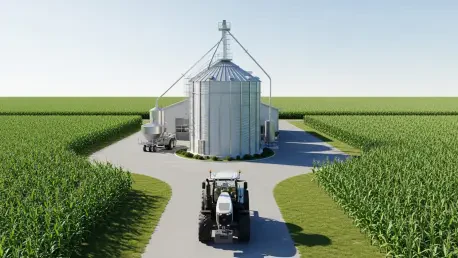

As the political landscape intensifies during this critical campaign season, agricultural communities across Wisconsin find themselves navigating a complex web of economic uncertainty and loyalty ahead of the high-profile visit from Donald Trump. The visit to the Wisconsin heartland has ignited a spirited debate among the state’s diverse agricultural sector, where the promise of revitalized trade deals often clashes with the reality of ongoing market volatility. For many producers in the dairy state, the political focus remains centered on how federal interventions will mitigate the rising costs of inputs while simultaneously opening new pathways for international exports. Recent data indicates that while some farmers benefited from previous administrative focuses on deregulation and tax incentives, others remain wary of the long-term consequences associated with aggressive tariff strategies. The atmosphere in rural counties is currently defined by a cautious optimism tempered by the knowledge that global supply chains remain fragile. As regional leaders prepare to voice their concerns, the focus shifts toward the sustainability of the current economic model and whether existing policies truly provide a safety net for small-scale family operations versus larger corporate entities.
The Trade Policy Conundrum: Market Access versus Protectionism
Global Export Challenges: Impact on Dairy and Grain
The implementation of robust tariff structures has created a bifurcated reality for Wisconsin’s grain and livestock producers, as protective measures intended to bolster domestic industry frequently lead to retaliatory actions from major trading partners. While the intention behind these trade barriers was to safeguard American production from unfair foreign competition, the immediate result for many local growers has been a significant reduction in access to essential markets in Asia and Europe. For instance, the increased cost of imported steel and aluminum directly correlates with a higher price tag for critical machinery, including tractors and harvesters, which are essential for modern precision farming. Simultaneously, retaliatory duties on American cheese and whey have squeezed profit margins for dairy farmers who rely on high-volume exports to maintain solvency. This economic tension forces a reassessment of trade priorities, emphasizing the need for a balanced approach that protects domestic manufacturers without alienating the international buyers who consume a substantial portion of the state’s agricultural output. Furthermore, the reliance on federal subsidies to bridge the revenue gap has become a point of contention for those who prefer market-driven profits over government assistance.
Operational Resilience: Adapting to Labor and Technical Needs
In addressing these systemic challenges, agricultural stakeholders prioritized the integration of advanced logistics and automated monitoring systems to offset the labor shortages exacerbated by restrictive immigration policies. Producers successfully navigated the transition toward more resilient crop rotations and diversified revenue streams, which included investments in renewable energy initiatives like on-farm anaerobic digesters. These proactive measures mitigated the risks associated with unpredictable trade fluctuations and ensured a more stable financial foundation for the upcoming harvest cycles. Policymakers ultimately recognized that the long-term health of the rural economy required a dual focus on innovative technology and flexible market strategies. By fostering partnerships between tech firms and traditional farm cooperatives, the industry established a more transparent supply chain that reduced waste. This collaborative effort transformed the regional landscape, proving that local ingenuity and strategic federal support could overcome global hurdles. Moving forward, the adoption of precision agriculture tools and the expansion of rural broadband were identified as the most effective methods for maintaining a competitive edge in the international marketplace while preserving the heritage of the family farm.