
The rapid convergence of traditional brokerage services and the high-speed digital asset market has reached a significant milestone as major financial institutions embrace the necessity of round-the-clock accessibility for retail investors. This evolution is driven by the realization that global events impacting asset valuations do not pause for weekend closures or traditional bank holidays. By facilitating continuous access to cryptocurrency futures, the platform bridges the gap between decentralized finance and regulated exchange environments. Investors now possess the capability to execute sophisticated strategies on Bitcoin and Ether futures with the same reliability they expect from equity markets. This transition toward a 24/7 operational model reflects a deeper integration of digital assets into the mainstream financial consciousness, where the distinction between “traditional” and “alternative” investments continues to blur. The implementation involves a seamless interface that provides high-frequency data streams, catering to both the disciplined strategist and the active day trader.
The Digital Transition: Advancing Platform Functionality for Global Traders
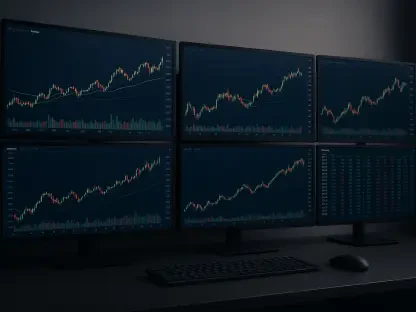
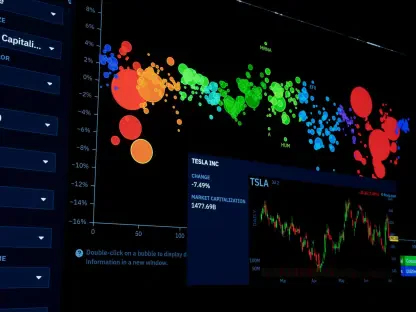
The integration of these new capabilities into the thinkorswim platform brings a suite of professional-grade tools to the individual trader, narrowing the gap between retail and institutional execution environments. Advanced charting features now include specialized overlays designed to analyze crypto-specific indicators such as funding rates and futures basis, providing a comprehensive view of market sentiment. These tools allow for granular technical analysis, enabling users to identify key support and resistance levels that are often respected across global digital asset exchanges regardless of the time zone. Furthermore, the enhanced trading dashboard offers customizable workspaces where users can monitor real-time news feeds alongside their open positions and technical indicators. This level of synchronization ensures that traders can react to breaking news or sudden market shifts with precision. By centralizing these resources, the platform creates a more efficient workflow for managing complex derivative portfolios.
Building upon the technical infrastructure, the brokerage has introduced enhanced risk management features that allow traders to set automated alerts and stop-loss orders specifically tailored for the high volatility of digital asset markets. These tools are complemented by a robust educational framework that assists users in understanding the nuances of futures contracts, such as margin requirements and the mechanics of roll-over dates. Providing this contextual knowledge is essential for maintaining market stability and ensuring that participants are well-informed about the leverage they are utilizing. The platform also offers simulated trading environments where individuals can test their strategies in real-time market conditions without risking actual capital. This approach fosters a more disciplined trading community by encouraging the validation of theories through historical back-testing and live paper trading. As the market for digital assets matures in 2026, the availability of these resources ensures that investors have the necessary safeguards.
Strategic Implementation: The Impact of Continuous Market Access
The strategic decision to launch 24/7 trading for crypto futures effectively addressed the persistent demand for a more flexible and responsive financial infrastructure within the regulated brokerage space. Industry leaders recognized that the traditional market structure was increasingly at odds with the borderless and continuous nature of digital currencies. By aligning their service hours with the underlying assets, the firm successfully captured a larger share of the active trading volume that previously migrated to less regulated platforms during the overnight periods. This move solidified the position of the brokerage as a pioneer in modernizing financial services for a digital-first era. The implementation process focused on maintaining system uptime and ensuring that liquidity remained consistent even during periods of lower volume. This effort resulted in a more resilient marketplace where price discovery was more accurate and less prone to gapping. The initiative proved that traditional financial institutions could adapt to technological shifts.
Looking back at the deployment of these tools, it became clear that traders who prioritized automated risk controls and real-time data integration were best positioned to benefit from the expanded market hours. The successful adoption of continuous trading underscored the importance of developing a rigorous routine that accounted for the potential for fatigue and the need for algorithmic assistance in monitoring positions. Investors were encouraged to refine their portfolio models to include digital asset futures as a hedge against global macroeconomic shifts that occurred outside of standard business hours. This transition necessitated a shift in perspective, moving away from a reactive stance to a more proactive and globally aware investment strategy. Market participants utilized the advanced analytics now available to identify correlations between crypto assets and traditional benchmarks more effectively. Ultimately, the expansion of these trading capabilities served as a catalyst for a more sophisticated and dynamic financial ecosystem for everyone.