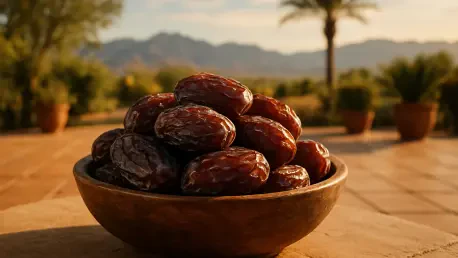

The traditional demand spike associated with the Islamic month of Ramadan is now being supplemented by a year-round American appetite for natural sugar alternatives. As consumers increasingly prioritize whole-food ingredients over processed additives, the California date industry has found itself at the center of a significant nutritional revolution. This shift is particularly evident in the Coachella Valley, where the convergence of specialized agricultural expertise and a burgeoning interest in plant-based superfoods has elevated the date from a niche ethnic specialty to a staple in modern pantries. The fruit’s profile, characterized by its high fiber content and low-glycemic properties, resonates with a demographic that seeks sustained energy without the spikes associated with refined sugars. This newfound mainstream popularity has compelled growers to rethink their distribution strategies and cultivation schedules to ensure that supply remains consistent throughout the calendar year.
Production Dynamics and Environmental Challenges
Adapting Cultivation to Shifting Climate Patterns
In the current 2026 season, the agricultural landscape of Riverside County faced an unprecedented challenge as an early spring heat wave significantly accelerated the biological development of the fruit. Growers at prominent locations like Hadley Date Gardens and Aziz Farms observed that the medjool harvest began as early as mid-August, representing a shift of nearly four weeks compared to historical norms. This rapid maturation required a swift mobilization of labor and resources to ensure that the fruit was picked at its peak quality before the extreme desert temperatures could cause dehydration or skin separation. While the resulting yields were slightly below the long-term historical averages, the quality of the medjool dates remained exceptionally high, characterized by a rich texture and the deep, caramel-like flavor profile that domestic consumers have come to expect from the region’s premier export. This accelerated cycle served as a stark reminder of the industry’s vulnerability to climate variability.
The 2026 harvest represented a critical recovery period for the industry following a previous year that was marred by unseasonable rains, which had decimated a significant portion of the crop. Because there was very little carryover stock available from the prior cycle, handlers and wholesalers entered the current season with a sense of urgency to replenish depleted inventories. This lack of existing supply created a pent-up market environment where retailers were eager to secure early shipments to satisfy the growing consumer demand for fresh produce. The situation allowed California growers to reclaim their dominant market position, accounting for nearly 79% of the domestic supply and reinforcing the valley’s reputation as the primary hub for date production in the United States. Despite the reduced volume compared to peak years, the financial impact was softened by the robust pricing that typically accompanies a market characterized by high demand and limited immediate availability.
Synchronizing Market Supply with Cultural Traditions
Despite the surge in year-round consumption, the traditional ethnic market remains a fundamental pillar of the industry’s economic health, particularly during the Islamic month of Ramadan. Because the timing of this holy month is determined by the lunar calendar, growers and distributors must engage in meticulous long-term planning to synchronize their logistical operations with shifting dates of observance. This period necessitates a high-volume surge in availability, as dates are the primary food used to break the fast according to long-standing cultural and religious traditions. Navigating this logistical complexity requires a sophisticated understanding of both international and domestic distribution networks, ensuring that large-scale retailers and independent ethnic markets are simultaneously stocked. The ability to meet these traditional requirements while also fueling the new mainstream demand has become a hallmark of the California date industry’s operational resilience in an increasingly complex and globalized agricultural economy.
In evaluating the broader economic landscape, the industry proactively moved toward value-added innovation to capture higher margins in a competitive marketplace. Producers aggressively pursued the development of value-added goods, such as nutrient-dense snack bars and sugar-free syrups, which allowed them to bypass some of the pricing pressures found in the whole-fruit wholesale market. They addressed the growing competition from international imports by leveraging superior quality control and transparent supply chains, which resonated with domestic health-conscious shoppers. Furthermore, growers implemented more efficient labor practices and advanced irrigation techniques to mitigate the rising costs of cultivation in the Coachella Valley. By successfully repositioning the medjool date as a year-round superfood rather than a seasonal commodity, the sector stabilized its long-term financial outlook. These strategic initiatives provided a robust foundation for growth while ensuring California remained at the forefront of the movement.