
The sudden eruption of a large-scale conflict in the Middle East on February 28, 2026, has sent a shockwave through the global financial system that few analysts were truly prepared to handle. This transformation has moved beyond mere geopolitical friction, evolving into the primary engine of a persistent inflationary cycle. It has shattered the assumption that global trade could remain insulated from regional military escalations.
Markets today find themselves in a precarious state, exposing a deep-seated dependency on Middle Eastern stability. As crude oil prices soar, the world is witnessing a systemic crisis that penetrates every layer of the economy, from industrial manufacturing to the basic survival of at-risk populations. This analysis gathers insights from various sectors to understand the structural shifts currently redefining the global landscape.
Analyzing the Cascading Economic Fallout Across Vital Industries
The ripple effect of this conflict is most visible in the immediate surge of operational expenses across diverse sectors. Financial analysts note that the speed of these price corrections is unprecedented, leaving little room for businesses to absorb the shock internally. This lack of a buffer has forced an immediate transfer of costs to the end user, creating a synchronized global price hike.
This economic contagion moves through the supply chain with clinical precision. What began as a spike in the raw cost of a barrel of oil has manifested as a broad tax on global consumption, challenging the viability of business models that flourished during the preceding era of cheap energy. The following sections detail how specific industries are managing these pressures and what the resulting environment means for consumers.
The Logistic Bottleneck: How Surging Diesel Prices Tax the Global Supply Chain
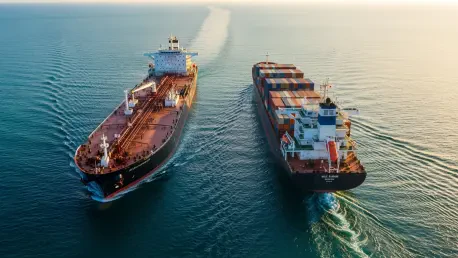
Diesel fuel serves as the literal engine of international commerce, powering the heavy machinery that moves commodities across continents. With prices climbing toward $5.50 per gallon, the cost of operating long-haul trucks and cargo vessels has become prohibitive for many freight companies. This surge is not merely a localized issue but a systemic burden that increases the price of every item found on a store shelf.
Major logistics giants like Amazon and the U.S. Postal Service have responded with significant fuel surcharges, marking a definitive end to the period of subsidized shipping. These expenses are inevitably funneled toward the final consumer, making the most basic deliveries a luxury rather than a standard convenience. The logistics sector is currently struggling to maintain profit margins while facing the highest overhead costs in recent history.
Turbulence in the Skies: Defensive Financial Maneuvers Within the Aviation Sector
Airlines are currently navigating a financial storm as jet fuel prices reached an alarming $209 per barrel earlier this month. To survive this climate, carriers like Delta and United have pivoted toward aggressive fee structures that target everything from checked luggage to seat selection. These strategies represent a desperate attempt to protect revenue streams without pricing themselves out of the market entirely.
The impact is even more severe for international travel, where the Lufthansa Group has been forced to slash thousands of flights to prevent unsustainable losses. This contraction suggests that the democratization of air travel is reversing, as high costs restrict global mobility to a narrower, wealthier demographic. As fuel remains the primary expense for aviation, the industry is bracing for a long-term reduction in capacity and route frequency.
From Petro-Chemicals to Pantries: The Rising Overhead of Essential Consumer Goods
Beyond the visible costs of transportation, the war has disrupted the production of household staples that rely on petroleum-based resins for packaging. Industry leaders at Procter & Gamble and Unilever are reporting multi-billion-dollar pressures on their profit margins due to these rising material costs. The manufacturing process itself has become more expensive, as the energy required to run factories is increasingly tied to the volatile oil market.
Manufacturers are implementing “small dose” price increases on products such as detergent and toothpaste to avoid alienating customers. However, these cumulative hikes place an immense burden on household budgets that are already being stretched thin by skyrocketing utility bills. The permeation of petroleum in every layer of modern manufacturing ensures that no consumer category remains untouched by the conflict.
The Looming Agricultural Crisis: Fertilizer Scarcity and Delayed Food Inflation
Perhaps the most dangerous consequence of the current conflict is the disruption of the global fertilizer supply, much of which travels through the now-contested Strait of Hormuz. Because modern agriculture is inextricably linked to these shipments, the cost of farming is rising even as the immediate food supply remains temporarily stable. This hidden inflation acts as a ticking clock for the global economy.
Economic models predict a significant lag, meaning the most severe price spikes at the grocery store will not materialize for another six to twelve months. This delayed crisis threatens to plunge tens of millions into food insecurity, particularly in developing regions throughout Asia and Africa. The intersection of energy costs and food production creates a humanitarian risk that extends far beyond the borders of the military engagement.
Navigating the High-Cost Landscape: Strategic Responses for Businesses and Consumers
Adapting to this new reality requires a fundamental change in how both corporations and individuals approach spending. Businesses are moving toward logistical optimization and exploring alternative materials that reduce their reliance on petroleum-derived components. Those who fail to innovate are finding their market share quickly eroded by leaner, more efficient competitors.
For the average consumer, the shift involves a move toward localized goods and more defensive budgeting strategies. Industry leaders suggest that transparency in pricing and a diversification of supply chains are the only ways to build a buffer against the ongoing volatility of the energy market. Success in this environment depends on the ability to decouple daily operations from the direct influence of global oil fluctuations.
Evaluating the Long-Term Structural Shift in the Post-Conflict Economy
The economic repercussions of the Iran War demonstrated that the global community remained far too vulnerable to regional energy disruptions. While the initial focus was placed on rising fuel costs and travel fees, the lasting impact involved a total recalibration of how nations trade and manufacture essential goods. This era necessitated a shift away from just-in-time delivery models toward more resilient, localized storage systems.
Moving forward, the necessity for a resilient and oil-independent infrastructure became an undeniable priority for government and industry leaders alike. The ability of specific nations to adapt to this high-cost reality determined their long-term stability, proving that energy security was no longer a secondary concern but a foundation for survival. As the full weight of agricultural inflation arrived, the global market entered a phase where resource independence outweighed historical trade alliances.