
The transition of a retail behemoth into a foundational architect of the physical world marks a definitive shift in the global hierarchy of technological influence. Amazon founder Jeff Bezos has officially designated the company’s custom semiconductor division as its fourth durable pillar, elevating it to the same strategic status as the e-commerce Marketplace, Amazon Prime, and Amazon Web Services. This declaration signals a profound evolution in the corporate identity of the organization as it moves beyond its legacy in logistics and retail to become a primary manufacturer of the hardware that powers the modern economy. By prioritizing the development of proprietary silicon, the company is positioning itself to lead the next generation of computing, moving past its retail roots to become an essential provider of the physical technology underlying digital services. This strategic pivot ensures that the company remains at the forefront of the artificial intelligence revolution while maintaining a competitive moat.
The Financial and Technical Foundation of AI
Infrastructure Expansion: The Move to Custom Silicon
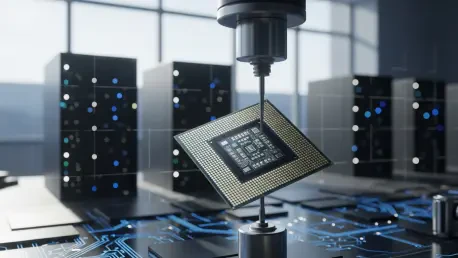
To support the emergence of this new pillar, a massive two hundred billion dollar capital investment has been finalized through 2026, specifically targeted at building out robust artificial intelligence infrastructure. Central to this aggressive strategy is the development of proprietary chips, such as the Trainium and Graviton series, which are engineered to significantly reduce the reliance of the organization on external vendors like Nvidia. By creating its own high-performance processors, the company aims to lower compute costs for its cloud customers and ensure a steady supply of hardware in an era of global shortages. The advanced Trainium4 chip debuted earlier this cycle, representing a significant leap in efficiency and processing power for large-scale language model training. This financial commitment is not merely a defensive maneuver against high component costs but a proactive attempt to define the standard for the next decade of compute through energy-dense systems.
Operational Philosophy: Scaling Beyond External Constraints
This expansion is fundamentally driven by a leadership philosophy that emphasizes customer obsession and a demonstrated willingness to take significant risks to avoid corporate stagnation. CEO Andy Jassy has noted that the custom chip business is already generating an annualized revenue run rate of over twenty billion dollars, demonstrating that the massive investment is backed by real-world demand rather than mere speculation. This financial commitment is intended to secure long-term dominance in the cloud market by providing the essential hardware needed for future AI applications. The move toward internal semiconductor design allows the company to move faster than competitors who are beholden to the product cycles of third-party chip manufacturers. It transforms the relationship with the customer from one of simple service provision to a deep partnership rooted in specialized hardware capabilities. This direction ensures that the enterprise remains agile and technically sovereign.
Market Positioning and Long-Term Strategic Goals
Economic Resilience: Insulating the Supply Chain
Despite the internal confidence radiating from the leadership team, the broader market remains somewhat cautious due to concerns over a potential technology bubble and the high costs of AI development. Global economic pressures and volatility in tech stocks have led some investors to question whether the returns on these massive infrastructure investments will materialize at the expected pace. However, the shift toward custom silicon serves as a vital strategic hedge, insulating the company from the pricing power of external chipmakers and the instability of the global semiconductor supply chain. By owning the intellectual property for its processors, the firm can better manage its margins and maintain price stability for its AWS clients even during periods of global economic turbulence. This internal capability provides a buffer against the geopolitical tensions that often disrupt the procurement of advanced electronics. It is a defensive posture that simultaneously enables aggressive growth.
Vertical Integration: Creating New Revenue Streams
The move toward vertical integration follows the successful blueprint established by AWS, which began as an internal tool before becoming a global profit leader and the backbone of the internet. By turning its internal infrastructure into a marketable product, the organization is poised to sell its custom AI processors to third-party clients, creating a new and sustainable revenue stream that diversifies its portfolio. This strategy ensures that every level of the technology stack is controlled internally, from the physical hardware and the chips to the cloud services and the software applications that run on top of them. Jeff Bezos views this transition as a necessary step in the evolution of modern technology, comparing the impact of artificial intelligence to the early rise of the internet. As these hardware capabilities are integrated into the core business, the organization cements its role as an essential player in the future of invention and global economic growth across the globe.
Strategic Evolution: The Path Toward Hardware Sovereignty
The elevation of custom silicon to a corporate pillar established a new precedent for how large-scale technology firms approached the challenges of the current era. This strategic shift focused on actionable steps to secure the supply chain and reduce operational costs, which allowed the organization to maintain its competitive edge during a period of intense market fluctuation. Moving forward, the emphasis shifted toward optimizing these hardware platforms for specialized AI workloads that required more than just raw power. The decision to invest heavily in proprietary semiconductors proved to be a decisive factor in maintaining cloud market share against aggressive rivals. Industry leaders realized that the ability to design and manufacture specialized chips was no longer an optional luxury but a core requirement for survival in a hardware-defined era. The integration of silicon into the corporate identity ensured that the physical foundations of computing remained aligned with innovation.