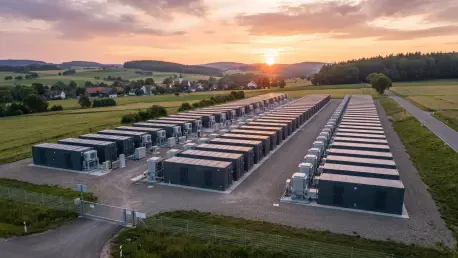

Transitioning to a carbon-neutral economy requires the deployment of massive facilities like Albatross to store excess power for periods of low renewable generation. As Germany accelerates its transition toward a fully renewable grid, the introduction of the Albatross facility marks a pivotal moment in continental energy strategy. Developed by GIGA Storage, this massive battery energy storage system is designed to provide a power output of 350 MW and a total storage capacity of 1,400 MWh, making it one of the largest installations of its kind in Europe. The scale of the project addresses a critical bottleneck in the German energy market: the ability to balance supply and demand in real-time as volatile wind and solar power increasingly dominate the generation mix. Located in the Lower Saxony region, the facility serves as a blueprint for future infrastructure, demonstrating that large-scale lithium-ion technology is now commercially viable. This project represents a shift in how the European industrial heartland manages its resources.
Infrastructure Integration and Grid Reliability
Securing the stability of the high-voltage grid is a primary objective for the Albatross project, which is strategically connected to the 380 kV Merzen substation. This substation is a critical node in the network managed by Amprion, one of Germany’s leading transmission system operators. By feeding directly into the highest voltage level of the German power system, the facility can provide essential services such as frequency regulation and grid congestion management. This is particularly vital in Northern Germany, where wind power generation often exceeds local demand, leading to potential bottlenecks that previously required the curtailment of renewable energy. The Albatross facility effectively mitigates these issues by absorbing surplus electricity during peak production and releasing it when the wind stops blowing. This capability reduces reliance on traditional gas-fired peaking plants and enhances the overall efficiency of the existing transmission infrastructure without requiring miles of new cable construction.
Beyond immediate grid balancing, the implementation of such high-capacity storage hubs is essential for maintaining the economic competitiveness of German industry. Fluctuations in energy prices, often driven by the intermittent nature of renewables, can create uncertainty for large-scale manufacturing and chemical processing sectors. Albatross provides a buffer that helps stabilize wholesale electricity prices by reducing the extreme price spikes associated with sudden supply shortages. This project demonstrates how large-scale battery systems are evolving from niche experimental setups into foundational assets of the national energy architecture. As the share of renewable energy in Germany continues to grow, the demand for sophisticated storage solutions like Albatross will only intensify. The successful integration of this project into the Amprion-managed grid signals to international investors that Germany is prepared to host the complex infrastructure needed to support its long-term climate goals while ensuring its industrial base remains powered.
Strategic Financing and Legal Frameworks
The realization of the Albatross project was made possible by a landmark €260 million debt financing package, which reached its financial close on October 23, 2026. This substantial investment was secured through a diverse consortium of seven major international financial institutions, including ABN AMRO, ING, and Siemens Bank. The participation of such a wide array of lenders highlights the growing confidence of the global financial sector in the long-term profitability of large-scale energy storage assets. This financing structure provides the necessary capital to cover the intensive upfront costs associated with high-capacity battery technology and site development. It also sets a precedent for how future energy projects in the Eurozone might be funded, utilizing a mix of commercial bank debt and strategic industry participation. The involvement of specialized entities ensures that the technical risks are adequately managed within the financial framework, paving the way for similar future investments.
The successful execution of the Albatross project demonstrated that cross-border collaboration and specialized legal expertise were essential for navigating the complexities of the German energy market. Clifford Chance assembled a multi-jurisdictional team from Amsterdam, Düsseldorf, and Frankfurt to address the intricate regulatory and corporate requirements of the transaction. This advisory work ensured that the project met all German energy standards while maintaining alignment with GIGA Storage’s broader European portfolio. Industry leaders looked toward this model as a blueprint for scaling energy storage across the continent, emphasizing that future success depended on early engagement with transmission operators. Stakeholders realized that securing Germany’s energy future required not just technological innovation, but also a robust legal architecture. The Albatross project established a clear path forward, proving that large-scale storage was the key to achieving a reliable, carbon-neutral power grid for the European Union’s sustainable future.