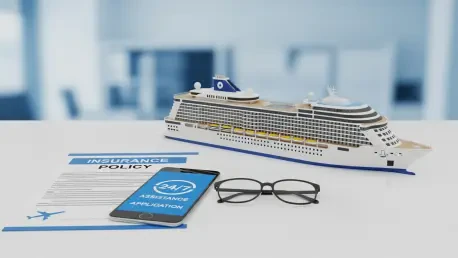

The allure of the open ocean often masks the intricate logistical reality of modern cruising, where a single vessel operates as a floating city navigating a complex web of international jurisdictions and unpredictable environmental conditions. While travelers typically focus on the selection of shore excursions or the variety of dining options available on board, the structural risks associated with maritime travel require a level of preparation that exceeds the requirements of a standard land-based vacation. Unlike a trip to a domestic resort where local infrastructure and familiar healthcare networks remain accessible, a cruise moves through spaces where these safety nets do not exist, leaving the traveler vulnerable to significant financial exposure in the event of an emergency. This disconnect between the perceived ease of a cruise holiday and the reality of oceanic travel necessitates a sophisticated approach to risk management that prioritizes specialized protection over general travel insurance. A comprehensive policy serves not merely as a backup plan but as a critical operational component of the journey, bridging the gap between a passenger’s domestic coverage and the high-cost realities of medical care and logistical support in foreign ports or international waters.
Establishing Medical Protection: Thresholds for Maritime Emergencies
One of the most pervasive misconceptions among passengers is the belief that their domestic health insurance or government-funded programs like Medicare will provide adequate coverage while they are sailing on the high seas. Once a ship departs from a domestic port and crosses into international territory, the legal and financial framework governing healthcare changes dramatically, as most primary insurers do not extend benefits beyond national borders. Shipboard medical centers, while highly sophisticated and staffed by qualified professionals, operate as private clinics that charge premium rates for everything from basic consultations to advanced diagnostic testing. These costs are typically billed directly to the passenger’s onboard account, requiring immediate settlement before disembarkation, which can lead to thousands of dollars in unexpected debt if no secondary coverage is in place. Consequently, a robust insurance policy must offer substantial emergency medical benefits—often recommended at $100,000 as a baseline—to ensure that a sudden illness or injury does not become a permanent financial burden for the traveler or their family.
Beyond the immediate costs of shipboard treatment, the most devastating financial risk associated with cruise travel is the potential necessity of a medical evacuation from a moving vessel to a land-based trauma center. Because modern cruise ships often sail hundreds of miles away from the nearest advanced hospital, transporting a critically ill patient requires specialized air ambulance services or coast guard interventions that involve staggering operational expenses. These evacuations are not included in the price of the cruise and are rarely covered by standard travel insurance policies that lack specific maritime riders, often resulting in bills that exceed $150,000 or even $250,000 depending on the ship’s location and the complexity of the transfer. For this reason, industry experts emphasize that evacuation coverage is perhaps the most critical line item in a cruise-specific policy, acting as a safeguard against a scenario that could otherwise lead to long-term financial insolvency. Ensuring that a policy provides at least a quarter-million dollars in medical evacuation and repatriation benefits is a strategic necessity for anyone venturing far from the coast, as it provides the resources needed to secure life-saving transport without hesitation or delay.
Navigating the Choice: Third-Party Policies Versus Cruise Line Protection
When booking a voyage, travelers are almost immediately presented with the option to add the cruise line’s own vacation protection plan to their reservation, a choice that offers significant convenience but often masks several critical deficiencies in coverage. These internal plans are frequently tailored to protect the cruise line’s interests as much as the passenger’s, often providing lower medical limits and restricted coverage for incidents that occur outside the ship’s direct sphere of influence. A significant drawback of many cruise line policies is the method of reimbursement; instead of receiving cash back for a covered cancellation, passengers may find themselves compensated with future cruise credits that must be used within a strict timeframe. This limitation is particularly problematic for travelers who, due to health issues or a change in life circumstances, may no longer be able or willing to take a cruise in the coming year. Furthermore, these plans rarely cover the additional components of a trip that are booked independently, such as airfare from a separate carrier or a pre-cruise hotel stay, leaving those portions of the investment entirely unprotected if the vacation is disrupted.
In contrast, standalone policies purchased from specialized third-party insurers offer a much more comprehensive and flexible safety net that covers the entire itinerary from the moment the traveler leaves their home until their eventual return. These independent plans are designed to be vendor-neutral, meaning they protect all prepaid expenses including flights, transfers, and independent shore excursions, regardless of which company provided the service. This door-to-door coverage is essential for modern travelers who often assemble their vacations from various sources to secure the best rates or most unique experiences. Moreover, third-party insurers typically provide significantly higher coverage caps for medical emergencies and evacuations, and they reimburse covered claims in cash rather than credits, providing the financial liquidity needed to manage an unexpected crisis. By choosing an independent policy, a traveler ensures that their protection is not tied to a single corporation, allowing for a broader range of covered reasons for cancellation and providing a level of security that aligns more closely with the actual total value of the vacation investment.
Strategic Timing: Managing Pre-Existing Conditions and Cancellation Rights
One of the most time-sensitive aspects of securing cruise insurance involves the management of pre-existing medical conditions, which can lead to a denial of claims if not handled with precision during the initial booking phase. Most standard travel insurance policies exclude coverage for any medical issue that was treated or diagnosed within a specific look-back period—usually 60 to 90 days prior to the policy purchase—unless a specific waiver is obtained. To qualify for this waiver, travelers must typically purchase their insurance within a very narrow window of time, often between 14 and 21 days after making their initial deposit for the cruise. This early bird requirement is a critical strategic hurdle; failing to act within this timeframe means that a flare-up of a chronic condition while at sea could lead to a massive hospital bill that the insurer is legally entitled to ignore. Travelers must therefore treat the insurance purchase as an integral part of the initial booking process rather than a secondary consideration to be addressed later, ensuring that their medical history does not become a loophole that voids their financial protection.
For those who prioritize maximum autonomy and peace of mind, the Cancel For Any Reason upgrade represents the pinnacle of travel protection, though it requires a significant additional investment in the form of higher premiums. Standard policies only allow for cancellations based on a specific list of covered reasons, such as a sudden illness, a death in the family, or a job loss; however, this upgrade allows a traveler to walk away from their trip for any reason whatsoever, including general fear of travel or a simple change of heart. This level of flexibility is particularly valuable in a global landscape where health concerns or geopolitical shifts can change a traveler’s comfort level overnight, even if those shifts do not meet the legal threshold of a covered event in a standard policy. While these upgrades usually only reimburse between 50% and 75% of the total trip cost and must also be purchased within the same narrow early bird window as medical waivers, they provide a unique psychological and financial buffer. This option empowers the passenger to retain control over their vacation plans, ensuring that they are never forced to choose between their personal safety and the total loss of their vacation funds.
Financial Considerations: Analyzing Premiums and Common Policy Exclusions
The financial cost of a comprehensive cruise insurance policy is generally calculated as a percentage of the total prepaid and non-refundable trip expenses, typically ranging from 4% to 10% depending on the traveler’s age and the depth of coverage selected. For a high-end luxury cruise, this can represent a significant upfront expense, leading some travelers to question the necessity of the investment; however, when viewed against the potential six-figure cost of a medical evacuation, the premium is a relatively small price for risk mitigation. For budget-conscious travelers who are comfortable losing their trip deposit but cannot afford a medical catastrophe, medical-only plans offer a streamlined alternative. These policies omit trip cancellation and interruption benefits—which drive up the cost of premiums—and focus exclusively on providing high limits for emergency medical care and evacuation. This targeted approach allows travelers to customize their protection based on their specific risk tolerance and financial situation, ensuring that they are covered for the most catastrophic scenarios without paying for features they may not feel are essential for their specific itinerary.
Understanding what a policy does not cover is just as important as knowing its benefits, as many travelers are surprised to find their claims denied due to common exclusions that are standard across the insurance industry. For example, most policies will not cover losses or medical emergencies that result from the use of alcohol or non-prescription drugs, which is a critical consideration in an environment where all-inclusive drink packages are a major draw. Similarly, coverage for natural disasters like hurricanes is typically only available if the policy was purchased before the storm was officially named by meteorological authorities, making proactive purchasing essential during peak storm seasons. Furthermore, standard plans often exclude high-risk adventure activities such as scuba diving, parasailing, or rock climbing unless a specific sports rider is added to the policy. Even minor details, such as leaving a camera or bag unattended in a public area of the ship or a crowded port, can lead to a denied claim for theft. By carefully reviewing the list of exclusions, travelers can adjust their behavior or add specific endorsements, ensuring that their coverage matches the actual activities they expect to encounter.
The Verification Process: Selecting the Right Provider and Finalizing the Plan
Selecting the right insurance provider eventually required a methodical evaluation of the company’s reputation for claims processing and their technological infrastructure, which was essential for managing emergencies in real-time while abroad. Savvy travelers utilized the free look period—a standard window of 10 to 15 days following the purchase—to scrutinize the policy document for any discrepancies between the promised coverage and the actual legal language of the contract. This period allowed for the cancellation of the policy for a full refund if the terms were found to be inadequate or if the fine print revealed hidden restrictions that clashed with the traveler’s specific medical needs or itinerary goals. Additionally, the availability of a dedicated mobile application became a primary criterion for selection, as these digital tools facilitated immediate contact with 24-hour assistance hotlines and permitted the digital filing of claims while still on the ship. By prioritizing companies that offered robust support networks and transparent communication channels, passengers ensured that they were not just buying a piece of paper, but a functional service capable of providing logistical relief.
The process of securing the right cruise insurance ultimately demanded a proactive stance that shifted the focus from mere price comparison to a deep analysis of coverage limits and procedural requirements. Travelers who successfully navigated these complexities did so by aligning their policy purchase with their initial booking deposit, thereby locking in essential protections for pre-existing conditions and expanding their options for flexible cancellation. They recognized that the unique environment of the ocean necessitated a departure from standard travel insurance norms, moving toward policies that specifically addressed the high-cost realities of maritime medical care and long-distance evacuation. Looking forward, the integration of real-time monitoring and automated claim triggers began to streamline the insurance experience, yet the fundamental need for human-centered assistance remained paramount. For those planning future voyages, the most effective strategy involved consulting with specialized insurance brokers or utilizing comprehensive comparison engines to vet multiple providers against the specific requirements of their cruise line and destination. By treating insurance as a foundational element of the travel experience rather than an optional add-on, passengers took the necessary steps to safeguard their health and their financial future against the inherent unpredictability of the sea.