
The rapid convergence of artificial intelligence and retail finance has reached a critical tipping point as platforms transition from being simple transactional gateways to becoming autonomous, intelligent partners for the modern investor. At the recent London summit, the narrative surrounding individual wealth management shifted toward a future where data is not just accessible, but actionable in ways that were previously reserved for elite institutional desks. With a user base exceeding 40 million globally, the platform has evolved its core identity from a social trading pioneer into a comprehensive AI-first ecosystem. This strategic pivot addresses a fundamental challenge in the current market environment: the overwhelming volume of information that often paralyzes rather than empowers the retail trader. By leveraging massive datasets and predictive modeling, the organization seeks to provide a more intuitive experience that anticipates market shifts before they occur. This transition is not merely a technical upgrade but a fundamental redesign of how individuals interact with their capital, ensuring that the gap between professional and amateur capabilities continues to narrow as technology democratizes high-level financial insights. The move signals a broader trend in the industry where efficiency and proactive engagement become the primary metrics of success for financial services providers in this new digital age.
Tori: The Evolution of Proactive Intelligence
At the center of this technological leap is the introduction of Tori, an advanced AI agent designed to operate with a degree of proactivity that distinguishes it from the basic chatbots of the past. Instead of waiting for a user to input a specific query or search for a ticker symbol, this agent continuously monitors the global markets and the user’s specific portfolio to identify relevant correlations. When a major economic shift occurs or a specific asset shows unusual volatility, the agent surfaces this information immediately, providing a context-rich summary of why the event matters to the individual investor. This proactive stance ensures that users are never caught off guard by market movements, transforming the mobile app from a passive viewing tool into an active advisor. The intelligence behind this feature is trained on vast amounts of historical and real-time data, allowing it to recognize patterns that might escape even the most diligent human observers.
The accessibility of this intelligence has been extended beyond the confines of the primary trading application to ensure that users stay connected across their digital lives. By integrating with platforms such as WhatsApp and the Apple Watch, the system allows for a seamless flow of information that fits into the daily routines of busy professionals. An investor might receive a critical portfolio update on their wrist or a deep-dive analysis through a secure messaging thread, allowing for rapid responses without the need to log into a complex desktop interface. This multi-channel approach is supported by the collective wisdom of millions of users, creating a unique form of social intelligence that interprets market sentiment in real-time. This ensures that the insights provided are not just based on cold numbers, but also reflect the actual behavior and trends occurring within a massive global community of active market participants.
Goal-Oriented Design: Reimagining the User Interface
To better align with the long-term financial aspirations of its users, the platform has implemented a sophisticated sub-account architecture that encourages more disciplined investing habits. This structural change allows individuals to divide their total capital into distinct buckets, each dedicated to a specific life goal such as retirement, education, or a major purchase. By separating these funds, investors can apply different risk profiles and asset allocations to each sub-account, ensuring that a high-risk crypto strategy in one bucket does not jeopardize the stability of a long-term savings goal in another. This psychological and technical separation helps users maintain a clear overview of their progress toward multiple milestones simultaneously. The unified dashboard provides a holistic view of total net worth while maintaining the necessary granular control over each individual strategy, making the management of complex financial lives significantly more manageable for the average person.
The mobile interface itself has undergone a total reconstruction to support these advanced features and to provide a more professional aesthetic that reflects the platform’s expanded capabilities. New asset pages now feature deep-link integration with advanced charting tools and comprehensive data sets that were previously the exclusive domain of professional-grade desktop software. This redesign focuses on high-density information delivery without sacrificing the ease of use that has always been a hallmark of the brand. Users can now customize their primary views to emphasize the data points that matter most to their specific trading style, whether they are focused on technical indicators, fundamental valuation metrics, or social sentiment trends. This flexibility ensures that the platform remains relevant to a wide spectrum of users, providing the depth required for quantitative analysts while maintaining a clear and inviting entry point for those who are just beginning their financial journey.
High-Performance Tools: Empowering Professional Traders
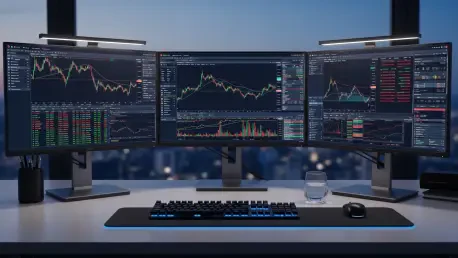
For the most active segment of the market, the company has introduced a high-performance desktop environment known as eToro Edge, which is specifically optimized for speed and analytical depth. This professional-grade workspace is designed to handle high-volume trading sessions where every millisecond and data point can influence the outcome of a trade. It features a fully customizable layout, allowing users to arrange multiple charts, order books, and real-time news feeds across several monitors. The platform provides institutional-level tools such as advanced order types and direct market access, which are essential for those implementing complex short-term strategies. By providing a dedicated space for these intensive activities, the organization ensures that power users have the robust infrastructure they need to compete in increasingly fast-paced markets, bridging the gap between retail convenience and professional execution.
A pioneering step in retail automation is the launch of Agent-Powered Portfolios, a feature that brings sophisticated 24/7 trading capabilities to a broader audience. This technology allows investors to deploy their own autonomous trading agents that operate based on pre-defined parameters and risk tolerances set by the human user. These agents can monitor global markets around the clock, executing trades at optimal times even when the account holder is offline or asleep. Users have the option to build their own logic-based agents from scratch or to copy successful agents developed by experienced quantitative traders within the community. This creates a new layer of the social ecosystem where expertise is shared not just through manual trade signals, but through the sharing of autonomous code. Throughout this process, the human investor maintains full oversight via the central monitoring tools, ensuring that automation remains a tool for empowerment rather than a replacement for personal strategy and responsibility.
Ecosystem Expansion: Developers and Web3 Integration
The evolution into a platform-as-a-service model is further evidenced by the expansion of the eToro App Store and the launch of the new Builders’ Portal. This initiative invites a global community of developers, data scientists, and quantitative analysts to build and distribute their own specialized tools and analytics directly within the ecosystem. By providing structured access to robust APIs and a massive user base, the company is effectively crowdsourcing the next generation of financial innovation. Users benefit from a constantly growing library of third-party applications, ranging from niche technical indicators to complex portfolio optimization scripts. This open ecosystem ensures that the platform can adapt to new market trends and technological breakthroughs far faster than a closed system ever could, fostering a culture of continuous improvement and collaborative development that benefits all participants in the network.
In response to the growing demand for direct ownership in the digital asset space, the platform has integrated self-custody crypto wallets powered by Zengo’s advanced security technology. This integration allows users to move their digital assets from the regulated exchange environment to a private, self-managed wallet in a matter of seconds, providing a bridge between traditional finance and the on-chain economy. The AI assistant plays a crucial role in this transition by guiding users through the technical complexities of wallet management and explaining the risks and benefits of self-custody. This move addresses the needs of a more sophisticated crypto audience that values the security and sovereignty of their digital holdings while still wanting the convenience of a centralized interface. By facilitating easier access to decentralized finance protocols and direct asset ownership, the platform is positioning itself as a central hub for the entire spectrum of digital and traditional wealth management.
Market Sentiment: Institutional and Insider Perspectives
The period leading up to these significant technological announcements was marked by a notable increase in insider activity, as high-ranking executives engaged in the sale of substantial blocks of shares. Such transactions often attract close attention from market analysts, especially when they coincide with major shifts in corporate strategy and the launch of new product roadmaps. While these sales are often part of pre-arranged liquidity plans, their timing during a phase of intensive transition for the company has sparked discussions regarding the long-term valuation of the firm in its new AI-centric form. This internal movement occurred as the organization worked to finalize its transition from a social-first to an AI-first platform, reflecting a period of intense internal reorganization and the reallocation of resources toward high-growth technological initiatives that are expected to define the company’s trajectory in the coming years.
Institutional investors have demonstrated a diverse range of responses to the company’s aggressive pivot toward artificial intelligence and autonomous trading. Some large-scale quantitative funds and asset managers have significantly increased their positions, viewing the integration of AI as a primary driver for future growth and a major competitive advantage in the retail brokerage space. Conversely, other traditional global asset managers have chosen to reduce their exposure or exit their positions entirely, perhaps indicating a more cautious stance toward the risks associated with such a large-scale technological overhaul. This divergence in sentiment highlights the broader market’s attempt to price the potential of AI-driven finance against the operational and regulatory challenges that accompany such innovation. The split between these major players suggests that while the technological promise is significant, the path to a fully automated financial future remains a subject of intense debate among professional observers.
Strategic Governance: Education and Regulatory Guardrails
The rebranding of the organization under the “Know Better” philosophy represents a fundamental commitment to democratizing the sophisticated intelligence required to navigate modern markets. CEO Yoni Assia has highlighted that the transition toward agentic trading is the most logical progression for a company that began by making social signals transparent. The goal is to move beyond the simple provision of market access to a model where users are equipped with the analytical power to understand the underlying drivers of their investments. By fostering a more informed global community, the platform aims to reduce the behavioral errors that often plague retail investors, such as emotional trading or poor risk management. This educational focus is intended to create a more resilient and successful user base that can thrive in a variety of economic conditions, ultimately strengthening the entire financial ecosystem through better-informed participation.
The strategic rollout of these AI-driven features represented a significant milestone in the ongoing evolution of decentralized and democratic finance. Leaders within the organization identified that the future of wealth management would depend on the ability to filter noise and deliver personalized, actionable intelligence at scale. By integrating self-custody solutions and developer-driven innovation, the platform sought to create a resilient environment that could withstand the volatility of the coming years. Investors were encouraged to look beyond simple asset acquisition and instead focus on the long-term benefits of agentic automation and diversified, goal-based strategies. The company successfully established a framework where technology served as an equalizer, providing tools that encouraged more disciplined and informed participation in the global markets. As the industry observed these developments, it became clear that the integration of artificial intelligence was no longer an optional feature but a core requirement for any platform aiming to lead the next generation of financial services. This comprehensive approach provided a clear roadmap for how retail platforms could continue to provide value in an increasingly automated and complex economic landscape.