
High-demand environments like manufacturing plants and distribution centers require the consistent, recurring propane fuel services that US Propane is now structured to provide. This new specialized distribution platform, launched by the Boston-based private equity firm Fort Point Capital, represents a strategic consolidation in the traditionally fragmented American energy sector. By simultaneously acquiring Atlanta Propane Exchange and North Carolina Propane Exchange, the firm has established an immediate and robust operational footprint across Georgia and the Carolinas. This initiative is not merely about expansion; it is a calculated entry into the essential energy services market, prioritizing safety and reliability for industrial clients. Headquartered in Auburn, Georgia, the platform is now poised to serve as a comprehensive partner for businesses that depend on a seamless supply of propane fuel for their critical daily operations, ensuring that their energy needs are met.
Strategic Leadership: Integrating Expertise and Infrastructure
At the center of this ambitious launch is the appointment of James Watson as the Chief Executive Officer, a move that brings over three decades of deep industry experience to the forefront of US Propane. Watson’s career trajectory is remarkable, having begun as a service manager at a local distributor before rising through the ranks to hold senior leadership positions at major national propane corporations. This background provides a unique dual perspective, allowing him to understand the granular details of field operations while managing the complexities of a multi-regional enterprise. His specific expertise in identifying and integrating local businesses serves as the cornerstone of the platform’s growth strategy. Under his guidance, the company aims to operate with the high-level sophistication of a national player without losing the high-touch service that regional customers have come to expect from their local suppliers, striking a balance between scale and care.
This leadership model is intentionally designed to offer a compelling partnership opportunity for independent propane business owners who may be navigating succession planning or seeking retirement exits. Many family-owned operations face significant hurdles when trying to scale or upgrade their technology, and US Propane positions itself as a solution that respects the established culture of these local entities. By providing the necessary capital for infrastructure development and professionalized management systems, the platform helps these businesses modernize their service offerings. This approach ensures that the local workforce remains intact and community relationships are preserved, even as the company expands its capabilities. The goal is to build a collaborative environment where the operational wisdom of local founders is combined with strategic resources, creating a sustainable path for growth in an increasingly competitive national energy market while maintaining trust.
Market Dynamics: Consolidating a Fragmented Industry
The American propane distribution landscape is currently characterized by extreme fragmentation, consisting of thousands of localized operators that often struggle to meet the rising technological demands of modern industry. Fort Point Capital identified this as a prime opportunity to synthesize smaller, high-performing entities into a cohesive, multiregional platform that can deliver superior results. While many independent companies have strong customer loyalty, they often lack the capital to invest in the sophisticated logistics software and safety protocols required for large-scale industrial exchange services. US Propane addresses this gap by offering an integrated infrastructure that streamlines delivery cycles and enhances safety inspections. By focusing on the forklift cylinder exchange market, the platform targets a recurring revenue stream that is essential for the logistics and manufacturing sectors, which see steady growth across the Southeast while driving fuel efficiency.
Although the initial operational focus is concentrated in Georgia and North Carolina, the management team has articulated a clear intent to expand into the Mid-Atlantic and Northeast regions starting in 2026. This expansion strategy is not strictly geographic; rather, it is opportunistic, focusing on acquiring high-quality distributors that align with the company’s core values of safety and service reliability. The consolidation effort is supported by Fort Point Capital’s FPC Small Cap Fund III, which specializes in management-led investments within fragmented business services industries. By utilizing debt financing from established partners, US Propane maintains a flexible financial foundation. This allows the platform to remain agile in a shifting energy market, ensuring it can quickly capitalize on new acquisition opportunities that strengthen its presence in key industrial hubs across the country while maintaining a disciplined approach to its overall capital allocation needs.
Operational Excellence: Scaling Essential Energy Services
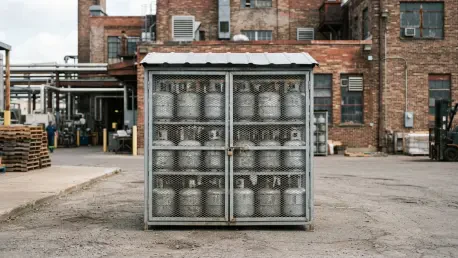
The core operational strength of the platform lies in its meticulous approach to the propane cylinder exchange process, which is a vital component for high-volume warehouses and production facilities. The logistics involved in maintaining a recurring delivery cycle require a high degree of precision, as any disruption in fuel supply can lead to significant downtime for industrial clients. To mitigate this risk, US Propane utilizes a rigorous inspection and maintenance protocol for all cylinders, ensuring that every unit delivered meets or exceeds the latest safety standards. This commitment to operational excellence is a key differentiator in a market where reliability is often as important as the product itself. By investing in specialized transportation assets and advanced routing software, the company maximizes its delivery efficiency while reducing its environmental footprint. These enhancements enable the platform to provide accurate real-time tracking for all regional customers.
The successful launch of this platform demonstrated that a focus on stewardship and resource sharing could effectively modernize the propane industry without sacrificing local business integrity. Leaders prioritized the development of a unified corporate culture that empowered local managers while providing the institutional backing necessary for large-scale service diversification. Looking ahead, companies in the industrial services sector might consider similar consolidation models that prioritize long-term stability over short-term disruption. The platform successfully leveraged its financial resources to enhance safety training and professional development, ensuring a skilled workforce was prepared for future energy shifts. By fostering deep partnerships with industrial clients and investing in regional talent, US Propane established a blueprint for scalable energy distribution. This strategy proved that combining seasoned industry expertise with disciplined management created a resilient service.