
The modern traveler expects a level of efficiency that traditional banking models can no longer provide, particularly within the high-pressure environment of international transit hubs like Sydney Airport. Historically, obtaining foreign currency involved waiting in long queues at physical booths, but the recent overhaul of Travelex operations signals a definitive shift toward a more agile, technology-driven infrastructure. By integrating advanced digital interfaces with a revamped physical presence, the company has managed to streamline the entire currency exchange process for the millions of passengers passing through Australia’s busiest gateway. This transformation is not merely about aesthetic updates; it represents a fundamental reassessment of how financial services should function in an era defined by instant gratification and contactless interactions. As the global travel landscape stabilizes between 2026 and 2028, these innovations set a new benchmark for convenience, ensuring currency exchange is no longer a bottleneck.
Integrated Financial Solutions: The Digital and Physical Merge
Optimization of Automated Currency Services
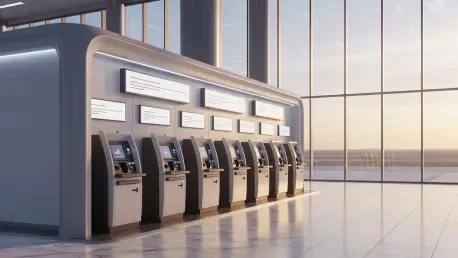
Central to this modernization strategy is the deployment of a sophisticated network of automated kiosks that allow passengers to bypass human interaction entirely for standard transactions. These units are strategically positioned throughout the T1 International and T2/T3 Domestic terminals, providing 24/7 access to over 40 different currencies. The technology behind these kiosks has evolved significantly, now featuring intuitive touchscreens and biometric security measures that ensure both speed and safety for the user. Beyond simple cash withdrawals, these machines are integrated with the Travelex online platform, enabling the “Click & Collect” service where travelers pre-book rates via a mobile app and finalize the pickup in seconds at the airport. This hybrid model effectively bridges the gap between digital planning and physical necessity, catering to a demographic that values autonomy. By reducing the reliance on staffed counters, the airport can maintain a higher volume of transactions even during peak hours without increasing wait times.
Evolution of Storefront Design and Customer Interaction
While automation plays a pivotal role, the physical stores have undergone a complete redesign to create a more welcoming and transparent environment for those who still require personalized assistance. These new-concept stores move away from the traditional high-counter “bank” feel and instead adopt an open-plan layout that encourages interaction and builds trust. Lighting, digital signage, and clear rate boards are utilized to demystify exchange rates, making the financial aspect of travel feel less like a hidden cost and more like a standard retail service. The strategic placement of these locations ensures that travelers encounter a Travelex touchpoint at every critical juncture of their journey, from the check-in area to the departure gates. This omni-channel presence ensures that whether a passenger is a proactive planner or a last-minute spender, the infrastructure is in place to meet their needs. The focus on high-traffic zones within Sydney Airport allows for a seamless transition from general shopping to financial preparation.
Future Perspectives on Travel Finance Logistics
Looking ahead, the focus for stakeholders within the airport ecosystem moved toward fostering a frictionless environment that prioritized the traveler’s time above all else. The implementation of these modernized systems at Sydney Airport served as a successful pilot for broader international rollouts, demonstrating that the future of travel money lay in the synergy between mobile technology and localized service points. Financial analysts observed that the transition to automated kiosks and pre-booked currency collections significantly reduced operational overhead while simultaneously increasing customer satisfaction scores. To remain competitive, other service providers within the travel sector sought to adopt similar integrated models that combined digital ease with physical reliability. Future strategies were advised to prioritize biometric authentication and real-time data integration to further reduce transaction friction. These developments eventually ensured that the process of obtaining travel money became an invisible part of the journey.