
Gold IRAs provide a unique financial mechanism for holding physical precious metals while benefiting from the tax-deferred or tax-free advantages of retirement accounts. In a global economy increasingly defined by digital complexity and the rapid fluctuation of fiat currencies, the tangible nature of gold offers a sense of permanence that is difficult to replicate with paper-based assets. This intrinsic reliability is especially pertinent as traditional markets face ongoing pressure from geopolitical shifts and evolving fiscal policies. Unlike growth-oriented equities, which can experience sudden and catastrophic devaluation during periods of market stress, gold tends to maintain its value or even appreciate when investor confidence in other sectors wanes. By functioning as a robust financial anchor, it prevents the total erosion of capital during times when trust in the banking sector or government bonds is at its lowest. This inverse correlation is not a recent development but a core characteristic that has defined the precious metals market for decades, ensuring that gold remains a preferred choice for long-term wealth preservation and risk management in a modern, diversified portfolio.
The Pillars of Enduring Value
Scarcity and Physical Limitations
The enduring value of gold is primarily rooted in its inherent scarcity and the physical limitations that govern its extraction from the earth. Unlike modern fiat currencies, which can be expanded indefinitely through central bank policies or digital minting, the global supply of gold is strictly constrained by geological reality. According to historical data from the World Gold Council, roughly 220,000 tonnes of gold have been mined throughout human history, leaving a relatively small amount of unmined reserves estimated at approximately 54,000 tonnes. This physical finite nature creates a natural floor for the asset’s price, as the supply cannot be artificially inflated to meet political or economic convenience. Because new gold becomes increasingly difficult and expensive to discover and extract, the existing stock becomes more precious over time. This scarcity ensures that gold functions as a reliable store of value, resisting the corrosive effects of supply-driven devaluation that frequently affects government-issued currencies and speculative digital assets during periods of extreme economic expansion.
Beyond simple availability, the geological difficulty of bringing gold to market serves as a psychological and financial barrier against sudden market saturation. While a corporation might issue more shares to raise capital or a government might increase its debt ceiling to fund new initiatives, the gold market is beholden to the physical laws of nature. This reality forces a level of fiscal discipline on those who utilize gold as a benchmark for wealth. In the current economic climate, where monetary expansion has become a standard tool for managing national growth, the presence of a non-printable asset offers a necessary counterbalance. Investors recognize that the labor-intensive process of mining and refining gold translates into a high cost of production, which historically supports a higher valuation during market downturns. This relationship between high production costs and finite supply reinforces the perception of gold as a “hard” asset, providing a layer of protection for purchasing power that paper assets simply cannot offer when currency supplies are suddenly increased by institutional intervention.
Institutional Independence and Global Recognition
One of the most significant strategic advantages of holding gold is its complete independence from any specific financial institution, government body, or corporate entity. When an individual invests in a corporate stock, they are effectively betting on the management and operational success of a single business; similarly, holding a government bond requires trust in the long-term solvency and political stability of a particular nation. Gold carries no such “counterparty risk” because it is an asset that belongs to no one and is simultaneously recognized and valued by everyone across the globe. This universal appeal makes it a unique “stateless” currency that retains its purchasing power regardless of local political turmoil or the collapse of regional banking systems. In moments of international conflict or severe geopolitical uncertainty, the ability to possess an asset that is not tied to a specific legal jurisdiction provides a level of security that digital or paper assets fail to match when diplomatic relations begin to fracture or trade barriers rise.
The global recognition of gold ensures that it remains the most liquid defensive asset in the world, capable of being converted into any currency or used as a medium of exchange in almost any market. This status has been solidified over thousands of years, creating a cultural and financial consensus that transcends modern borders and technological shifts. While newer financial instruments may offer higher short-term yields, they often lack the deep-rooted institutional trust that gold has cultivated through centuries of market cycles. In a world where financial systems are increasingly interconnected and vulnerable to systemic shocks, the independence of gold serves as a vital safeguard. It is a form of insurance against the failure of traditional banking infrastructures, allowing investors to move wealth across borders and time without the permission of a central authority. This characteristic of absolute ownership, combined with its historical role as the ultimate fallback during crises, confirms its status as the premier safe haven for those who seek to insulate their wealth from institutional volatility.
Strategic Integration and Market Performance
Navigating Modern Economic Volatility
In the current financial landscape of 2026, gold has continued to demonstrate its legendary resilience by reacting dynamically to persistent inflationary pressures and shifting interest rate environments. With inflation rates lingering around 4.25%—a figure notably higher than the long-term targets set by central banks—investors have increasingly utilized gold to mitigate the rising cost of living and the steady erosion of purchasing power. The market recently witnessed a significant milestone as the price per ounce exceeded the $4,000 mark, more than tripling its value from a decade prior. This upward trajectory highlights gold’s function as a critical tool for risk-averse individuals who seek to outpace the diminishing returns of traditional savings accounts. By providing a hedge against the devaluation of the dollar, gold ensures that the real value of an investor’s savings remains intact even as the nominal prices of goods and services continue to climb. Its ability to recover swiftly from temporary market dips further cements its reputation as a stabilizing force during periods of high market anxiety.
The performance of gold during the initial months of 2026 also underscores its role as a primary beneficiary of capital flight from the equities market. Whenever stock market volatility increases due to disappointing earnings reports or unexpected shifts in fiscal policy, capital tends to flow toward the relative safety of precious metals. This migration creates a self-reinforcing cycle where increased demand during downturns drives prices higher, providing the very “safe haven” returns that investors seek. Modern technology has also made it easier for individual investors to track these movements and rebalance their holdings in real-time, allowing for a more responsive approach to market shifts. Whether through the purchase of physical bullion or the acquisition of gold-backed financial instruments, the ability to pivot toward gold has become a standard practice for those looking to protect their portfolios from the unpredictable nature of the current economic cycle. This strategic flexibility is essential for maintaining long-term financial health in an era where traditional market correlations are frequently challenged by global events.
Tax-Advantaged Growth Through Gold IRAs
A sophisticated method for integrating precious metals into a retirement strategy involves the use of a self-directed Individual Retirement Account, which allows for the inclusion of physical gold bars and coins. This specialized financial tool merges the traditional safety of gold with the significant tax advantages typically reserved for stocks and bonds. In a traditional gold IRA, investors can benefit from tax-deferred growth, meaning they do not pay taxes on any appreciation until they begin taking distributions in retirement. Conversely, a Roth gold IRA offers the potential for tax-free distributions, provided the account holder meets specific age and holding period requirements. These structures provide a unique opportunity to build a long-term safety net that is shielded from the immediate impact of capital gains taxes, allowing the total value of the holdings to compound more effectively over time. By incorporating physical assets into a regulated retirement framework, investors can enjoy both the peace of mind that comes with tangible ownership and the fiscal efficiency of modern tax planning.
Transitioning toward a gold-backed retirement account requires careful coordination with specialized custodians and approved depositories to ensure compliance with strict regulatory standards. These institutions are responsible for the secure storage and insurance of the physical metal, providing a layer of professional oversight that mitigates the risks associated with personal storage. This formal arrangement allows investors to leverage the expertise of industry professionals while maintaining full control over the composition of their retirement assets. Furthermore, the inclusion of gold within an IRA serves as a vital diversifier against the potential underperformance of traditional retirement funds, which are often heavily weighted in equities and fixed-income securities. By balancing paper-based wealth with a tangible physical asset, individuals can create a more resilient retirement foundation that is better equipped to withstand the fluctuations of the global economy. This balanced approach to long-term savings is becoming increasingly common among those who recognize the importance of protecting their future purchasing power from both market crashes and the steady march of inflation.
Future Considerations for Asset Preservation
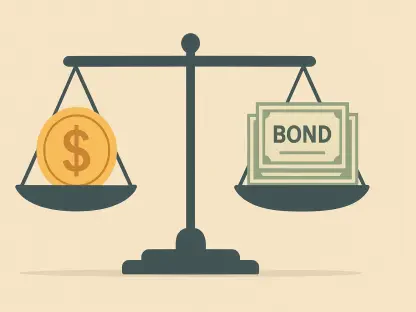
The comparison between gold and other defensive assets, such as U.S. Treasury bonds, revealed significant differences in performance during high-inflation cycles. While bonds offered regular interest payments that provided a steady income stream, their fixed yields often struggled to keep pace with the rapidly rising costs of consumer goods and services. Consequently, investors who prioritized capital preservation found that the appreciation potential of gold far outweighed the nominal returns of debt instruments in an environment where purchasing power was under constant threat. Historically, gold demonstrated a superior ability to retain value during periods where the real interest rate—the nominal rate minus inflation—remained low or negative. This trend continued into the current era, as the physical scarcity of gold allowed it to act as a more effective hedge than government-issued debt, which remained subject to the fiscal health and creditworthiness of the issuing nation. This shift in investor preference marked a notable change in the traditional understanding of low-risk portfolio components.
In the wake of these economic developments, the consensus regarding optimal asset allocation shifted toward a more robust inclusion of precious metals. Most financial experts recommended a “stabilizing” allocation of gold, typically ranging between 5% and 15% of a total investment portfolio, to provide an adequate buffer against systemic failures. This strategic approach was designed to balance the growth potential of productive assets like stocks with the security offered by a non-correlated financial anchor. By following this disciplined framework, individuals successfully navigated the complexities of the mid-2020s, ensuring that their wealth remained protected during market panics while still participating in broader economic expansions. Moving forward, the most effective strategy involved regular reviews of portfolio weightings and a continued focus on the diversification of asset classes. For those seeking to secure their financial legacy, the integration of gold remains a time-tested necessity, offering a level of stability and independence that continues to define the standard for wealth preservation in an increasingly unpredictable global market.