
The global energy landscape is currently undergoing a massive structural shift as major fossil fuel entities like Equinor strategically rebalance their financial interests to optimize capital efficiency across diverse renewable energy portfolios. This transition was recently highlighted by the decision to divest half of its interest in Scatec, a prominent Norwegian firm specializing in renewable power. By offloading an 8.07% stake valued at approximately $168.55 million, Equinor has successfully monetized a portion of an investment that has matured significantly since its inception. The shares were sold at a price of Nkr125 each, which stands in stark contrast to the original average entry price of Nkr80 per share established during the initial acquisition phase. Despite this reduction, the energy giant still retains an 8.05% interest and has agreed to a 90-day lock-up period to ensure market stability for the remaining assets while protecting the ongoing joint venture projects in Brazil.
Strategic Asset Management in Emerging Markets
Scatec continues to demonstrate robust operational momentum, solidifying its position as a dominant force within the renewable sectors of emerging markets. The company currently manages a sprawling portfolio that encompasses 6.2GW of capacity, either fully operational or in active construction, spanning across five different continents. A pivotal recent development includes the successful financial closure of the Barzalosa solar project in Colombia, a 130MW facility that is secured by a lucrative fifteen-year power purchase agreement. This milestone underscores the company’s ability to navigate complex regulatory environments and secure long-term revenue streams in high-growth regions. While Equinor is reducing its direct equity exposure, the collaborative spirit between the two entities persists through high-value assets such as the Apodi and Mendubim solar ventures. These projects illustrate a shared commitment to infrastructure that provides reliable green energy.
Diversification through Hybrid Infrastructure and Partnerships
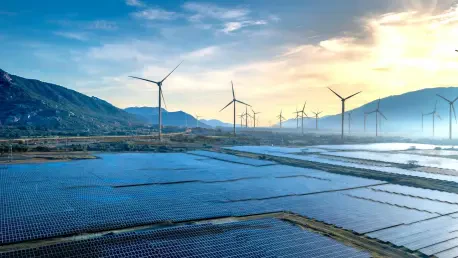
The broader strategy pursued by Equinor highlighted a growing preference for integrated and hybrid energy solutions that maximize land use and grid connectivity. This was evidenced by the launch of the Serra da Babilônia facility in Brazil, a sophisticated complex that combined 140MW of solar power with 223MW of wind capacity to create a more consistent energy profile. Furthermore, the decision to maintain a 10% stake in Ørsted during periods of industry volatility demonstrated a commitment to long-term industrial stability over short-term market fluctuations. Analysts observed that the successful optimization of these assets provided a blueprint for other energy firms looking to balance proprietary development with strategic minority holdings. Future success in the sector necessitated a focus on technological synergy and disciplined capital allocation. Organizations prioritized the integration of storage and hybrid systems to mitigate the inherent variability of renewables.