
The landscape of African economic development is currently undergoing a profound transformation as nations pivot from reactive strategies to a more deliberate focus on internal stability and self-reliance. For over a decade, the continent has navigated a series of global disruptions that exposed the fragility of growth models heavily dependent on international trade and foreign capital. While previous years saw a focus on recovery from health crises and supply chain bottlenecks, the current atmosphere in 2026 highlights a shift toward strategic insulation. Data from the Economic Commission for Africa indicates that the persistent volatility in global energy and food markets has become a catalyst for deep-seated policy changes. Leaders across the region are no longer content with being passive observers of market swings; instead, they are actively working to decouple their core economic sectors from the unpredictability of foreign geopolitical tensions and fluctuating commodity prices.
Confronting Systemic Vulnerabilities
The Core Issue: External Dependence
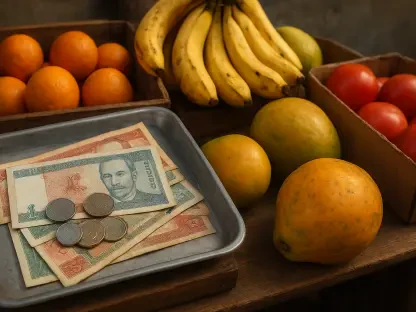
The primary challenge for African growth in the current climate remains a deep-seated reliance on imported essentials, particularly refined petroleum products and sophisticated agricultural inputs. When global oil prices surge toward the triple-digit mark, the impact is felt immediately across the entire continent, driving up transportation costs and local food prices. This “domino effect” hits the most vulnerable populations hardest, often leading to a sharp increase in poverty and food insecurity within weeks of an international market shift.
Because the vast majority of sub-Saharan countries remain net importers of both fuel and fertilizer, any disruption in the international supply chain creates an immediate domestic crisis. These events threaten social stability and significantly curtail industrial output, forcing governments to spend precious foreign reserves on temporary subsidies rather than investing in long-term infrastructure. By focusing on domestic capacity, leaders hope to break this cycle of dependency that has historically left their national budgets vulnerable to external shocks beyond their control.
The Economic Toll: Energy and Food Security
Addressing these systemic vulnerabilities requires a move away from the traditional model of exporting raw materials while importing the finished products necessary for daily life. Many nations have found that their economic health is tethered to decisions made in distant boardrooms or the outcome of regional conflicts far from their borders. This lack of control over essential resources like fertilizer means that agricultural productivity—the backbone of many African economies—is often subject to the whims of global shipping availability and international price speculation.
To mitigate these risks, there is a growing push to establish domestic production facilities that can process raw ores and hydrocarbons locally. By creating value-added products on the continent, nations can provide a buffer against the price shocks that have historically derailed national development plans. This shift is not just about economic efficiency; it is about ensuring that the fundamental needs of the population are met regardless of the global climate. Investing in local fertilizer plants and modular refineries has become a top priority for securing a stable and prosperous future.
Navigating Logistics and Transport Hurdles
Global Chokepoints: Maritime and Aviation Disruptions
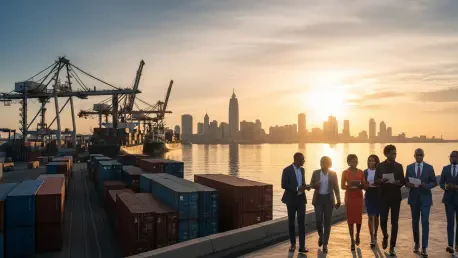
Global maritime chokepoints, including the Strait of Hormuz and the Red Sea, currently play a disproportionate role in the overall economic health of African nations. Recent geopolitical tensions have led to the significant disruption of these critical routes, forcing shipping companies to abandon traditional paths in favor of longer and more expensive journeys around the Cape of Good Hope. These logistical delays add a substantial financial burden to every ton of goods traded, making it increasingly difficult for African businesses to compete on the global stage.
The additional weeks spent at sea translate to higher insurance premiums and fuel surcharges, which are inevitably passed down to the consumer in the form of higher prices for basic goods. Furthermore, the aviation sector has experienced similar pressures, with jet fuel prices nearly doubling in recent years. For regional airlines, fuel now represents the majority of operating expenses, leading to high ticket prices that prevent the seamless flow of people. This connectivity gap hinders the growth of the service sector and limits the effectiveness of regional business partnerships.
Regional Adaptation: Strengthening Continental Hubs
Despite the hardships caused by the disruption of traditional routes, these challenges have created an unexpected opportunity for African infrastructure to take center stage. As Middle Eastern air and sea routes become less reliable due to regional instability, continental hubs such as Addis Ababa and Nairobi have seen a significant uptick in transit traffic and investment. Historically, nearly a quarter of intra-African travel relied on transit points outside the continent, but the current crisis has proven that strengthening local hubs is an absolute necessity for survival.
By investing heavily in its own logistics and transit networks, Africa can reduce its vulnerability to overseas conflicts and ensure that trade remains operational even when global corridors are compromised. The goal is to create a network of roads, rails, and ports that prioritize regional movement, turning the continent into a self-contained logistical powerhouse. This focus on internal connectivity not only lowers costs but also encourages the development of localized supply chains that are better equipped to handle the stresses of a volatile and unpredictable world market.
Structural Transformation: Steps Toward Sovereignty
To break the cycle of recurring crisis and recovery, African economies focused on moving beyond short-term emergency measures and implemented deep structural transformations. Decision-makers prioritized significant investments in manufacturing, the mobilization of domestic financial resources, and the creation of more efficient cross-border logistics. This strategy sought to evolve the region into an integrated economic bloc where resources were utilized for local development instead of being exported as raw goods and re-imported at a much higher cost to the public.
By prioritizing regional value chains, the continent ensured that its industries were prepared to withstand the next global shock with resilience and self-sufficiency. The focus shifted toward building a circular economy that retained wealth and provided stable employment for the growing workforce. Ultimately, the successful transition relied on the commitment to industrialize from within, ensuring that the economic destiny of the continent remained firmly in the hands of its people. These actionable steps provided a roadmap for long-term stability and sustainable growth across the region.