
The Dichotomy of the Modern American Economy
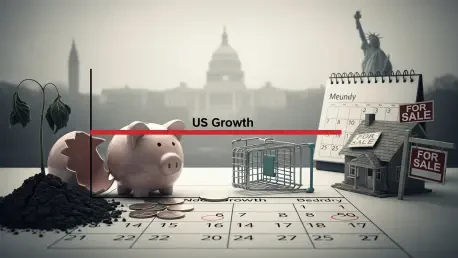
The visual of modern American shoppers confronting soaring gasoline prices while technology indices reach record highs encapsulates an economic paradox that challenges traditional fiscal logic. The United States currently navigates a split-screen reality where some sectors display remarkable resilience while the broader landscape shows cooling growth and persistent price pressures. This analysis explores how a decelerating gross domestic product and stubborn inflation reshape financial expectations. By examining recent data and the internal friction within the Federal Reserve, the investigation aims to determine if the nation faces a period of stagnation or the volatile adjustments of a shifting industrial era.
From Post-Pandemic Recovery to Structural Uncertainty
To understand current friction, one must look at the trajectory of the last five years. Following the disruptions that began in 2020, the nation experienced a recovery marked by supply chain bottlenecks and unprecedented stimulus. These factors initiated an inflationary cycle that proved more difficult to break than initially anticipated. Historically, a 2% inflation target serves as the benchmark for price stability; however, prices remained consistently above this threshold for half a decade. This context explains the current low-hire, low-fire labor market and why traditional monetary tools yield mixed results in a landscape influenced by geopolitical shocks and rapid technological shifts.
Navigating the Convergence of High Prices and Slower Momentum
The Persistence of Core Inflation and External Energy Shocks
The resilience of core inflation remains a critical dilemma, staying high despite aggressive interest rate hikes. In March, the core personal consumption expenditures price index rose to an annual rate of 3.2%. When accounting for volatile food and energy, the headline inflation rate climbed to 3.5%, driven by an 11.6% surge in energy prices linked to Middle Eastern conflicts. For the average consumer, gas prices exceeding $4 a gallon directly sapped purchasing power. This created a challenging environment for businesses attempting to manage rising input costs without alienating their customer base.
Decelerating GDP Growth vs. Sector-Specific Booms
While inflation remained elevated, the engines of growth appeared to lose steam. First-quarter gross domestic product grew at a 2% annualized pace, falling short of the 2.2% growth projected by economists. This slowdown occurred despite a massive surge in artificial intelligence investments and a 9.3% increase in federal spending. The data revealed a stark contrast: the tech sector thrived on the AI revolution, but inflation-adjusted spending on everyday goods contracted by 0.1%. This suggested that the wealth effect of a booming stock market did not trickle down to moderate-income households feeling the pinch of living costs.
The Labor Market Paradox and Federal Reserve Friction
A labor market that remains historically tight adds complexity to the narrative. Initial jobless claims recently fell to 189,000, levels not seen since 1969, signaling an incredibly resilient workforce. However, this strength made it harder to bring inflation down to the 2% target. Recent votes to hold interest rates steady met with dissent from central bank members who argued that inflation should preclude rate cuts. This internal friction highlighted a common misunderstanding: a strong jobs report did not necessarily mean the economy was healthy if the cost of living outpaced the benefits of employment.
The Role of Technology and Geopolitics in Shaping Future Stability
Looking ahead, several emerging trends likely dictate whether the nation avoids stagflation. The primary driver of optimism is the integration of artificial intelligence, which promises to boost productivity and potentially offset higher labor costs. However, these technological gains must compete with headwinds, including geopolitical instability that keeps energy markets volatile. Regulatory shifts and federal spending patterns will play a pivotal role in determining if the economy achieves a soft landing. Experts predict that the next eighteen months will be a period of calibration, balancing high interest rates against the need for industrial innovation.
Practical Strategies for Navigating an Uncertain Economic Climate
The current environment requires a shift toward efficiency and liquidity for businesses and consumers alike. Companies should prioritize investments in automation to mitigate the impact of high wages and energy costs. For households, the focus must remain on debt reduction and cautious spending on non-essential goods, as the era of cheap money remains in the past. Policymakers must look beyond broad metrics and address the specific needs of middle-income earners disproportionately affected by housing costs. By adopting a granular approach to economic health, stakeholders better weathered the fluctuations of a split-screen economy.
Reconciling Growth Aspirations with Inflationary Realities
Strategic priorities shifted as stakeholders adjusted to a landscape where price stability remained elusive. Decision-makers successfully implemented automation to offset labor costs, while households prioritized liquidity over long-term credit. The emphasis moved toward targeted fiscal interventions that supported energy independence and technological infrastructure. This proactive stance allowed the market to absorb shocks from geopolitical volatility more effectively. Ultimately, the transition toward high-productivity sectors provided a necessary buffer, ensuring that stagnant growth did not become a permanent fixture of the financial system.