
The approach of the final Monday in May typically signals a shift in American consumer behavior as households transition from winter hibernation to the active demands of the summer season. Statistics indicate that Memorial Day weekend remains one of the most critical windows for the retail sector, serving as a barometer for economic health and consumer confidence across the nation. Retailers are currently leveraging this three-day holiday to clear out stagnant inventory while enticing shoppers with aggressive price cuts that often rival end-of-year holiday events. While many individuals view the long weekend as a time for relaxation and remembrance, the underlying market activity suggests a massive strategic effort by national chains to secure early summer revenue. This period is not merely about casual browsing; it represents a calculated alignment between logistical needs and purchaser desires. As warehouses prepare for the next cycle of goods, the resulting discounts create a unique environment where high-ticket items become significantly more accessible to the average family.
Household Transformations: Capitalizing on Massive Furniture Clearances
Large-scale home furnishings and interior design products have seen some of the most dramatic price adjustments this season, with retailers like Wayfair and Pottery Barn leading the charge. Market analysis shows that clearance rates have climbed to between 60% and 70% on select lines, particularly as these brands seek to rotate their collections for the warmer months. These reductions are not limited to smaller decorative pieces but extend to substantial investments such as sectional sofas, dining sets, and bedroom suites. For the homeowner, this represents a rare opportunity to overhaul living spaces without the typical financial strain associated with premium furniture brands. The competitive nature of the industry ensures that when one major player drops prices, others must follow suit to maintain their market share. Consequently, consumers are finding that the value proposition of high-quality wood finishes and durable upholstery has improved significantly, making it an ideal time for long-term residential upgrades.
The home improvement sector also demonstrates a strong commitment to moving major appliances and outdoor gear through substantial markdown strategies. Industry giants like Home Depot and Lowe’s have focused their promotional efforts on high-ticket items such as refrigerators, washing machines, and integrated patio systems, with discounts frequently landing in the 30% to 45% range. This trend is particularly relevant for those looking to improve their energy efficiency, as many of the items on sale include the latest smart-home technologies and eco-friendly features. Beyond the machines themselves, the focus on outdoor living reflects a broader societal push toward backyard revitalization and alfresco dining. By offering these products at a lower entry point, retailers are tapping into the seasonal urgency of homeowners who wish to finalize their garden and patio projects before the peak heat of mid-summer arrives. The resulting surge in sales volume allows these companies to streamline their logistics and make room for late-summer and early-autumn hardware.
Strategic Shopping: Navigating the Intersection of Technology and Fashion
Electronics and general household gadgets are witnessing a parallel trend of price compression, driven largely by the dominance of online marketplaces and dedicated tech retailers. Amazon and Best Buy have implemented significant savings on a wide array of devices, ranging from high-end laptops to essential household tools like robotic vacuums and advanced air fryers. With savings reaching up to 40% on certain models, the barrier to entry for modern lifestyle technology has been lowered significantly for the duration of the holiday weekend. This aggressive pricing is often a response to the rapid innovation cycle in the tech industry, where clearing out previous-generation models is a necessary step before launching newer iterations later in the year. Shoppers who are not concerned with having the absolute latest release can find immense value in hardware that was considered top-of-the-line only months ago. Moreover, the integration of these gadgets into daily life continues to grow, as consumers prioritize tools that offer convenience.
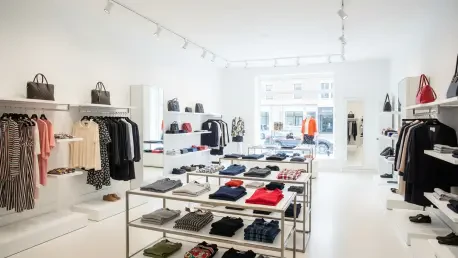
The apparel sector has adopted a more complex, tiered discounting strategy that rewards savvy online shoppers and those looking to purchase in higher volumes. Brands such as Madewell and Anthropologie, alongside children’s retailers like Carter’s and Hanna Andersson, are utilizing a sale on sale approach to drive traffic. This method typically begins with a substantial baseline discount of 50% on seasonal clothing, which is then supplemented by additional promotional codes that can be applied at the digital checkout. This layered pricing structure encourages consumers to add more items to their carts to maximize the perceived value of the transaction. By focusing on spring and early summer collections, these retailers are clearing the way for the back-to-school and autumn inventory that will soon dominate the shelves. This strategy also highlights the growing importance of digital engagement, as many of the deepest discounts are exclusive to those who interact with the brands through mobile apps or email newsletters.
Community Engagement: Integrating Experiential Offers and Future Planning
Beyond the acquisition of physical goods, the Memorial Day weekend serves as a platform for brands to offer experiential incentives and demonstrate corporate social responsibility. A significant portion of this activity is directed toward military personnel and their families, with numerous national chains providing complimentary services or deep discounts as a gesture of appreciation. For instance, Benihana has offered complimentary meals to veterans, while the National Park Service has opened its gates for free admission to all citizens, encouraging outdoor exploration and national pride. The culinary sector has also capitalized on the overlap with National Burger Month, as seen in promotions from Shake Shack and other major food chains. These experiential freebies do more than just drive foot traffic; they build brand equity and create positive associations that can last much longer than a single holiday weekend. By merging promotional activity with a sense of community and gratitude, businesses are able to differentiate themselves.
The landscape of this holiday weekend demonstrated that a well-researched approach to shopping could yield substantial long-term benefits for the household budget. Consumers who effectively navigated the various sales tiers found that the best results came from combining national deals with localized business offerings. It was consistently observed that checking the fine print on promotional codes and verifying social media updates often led to additional savings that were not immediately visible on the storefront. Moving forward, individuals should maintain a list of upcoming high-ticket needs to take advantage of similar cycles that will inevitably occur during late-summer transitions. This proactive mindset allowed many to secure essential appliances and durable goods at prices that significantly outweighed the costs of waiting. The competitive environment ensured that value was available in almost every category, provided that the buyer remained diligent in comparing specifications rather than just looking at the initial discount.