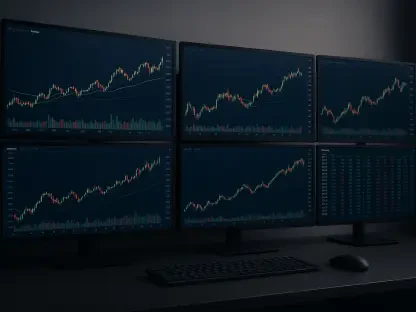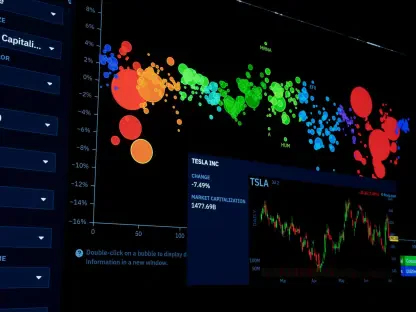

The shift in the Canadian financial landscape has reached a critical juncture where the traditional divide between retail participants and institutional professionals is rapidly dissolving as access to high-performance technology becomes a baseline expectation. A recent joint survey conducted by Wealthsimple and Angus Reid highlights a striking evolution in consumer behavior, revealing that thirty-eight percent of self-directed investors now engage in frequent trading activities rather than passive holding. This transition is not merely about volume; it represents a profound change in the intellectual approach to wealth management, as over forty percent of those not currently using complex instruments have begun researching options and futures. The modern Canadian investor is no longer content with basic equity purchases through a slow, bank-owned interface. Instead, they are actively seeking the same level of precision, speed, and analytical depth that was once the exclusive domain of hedge fund managers and proprietary trading firms, signaling a permanent move toward sophisticated financial independence.
Growing Dissatisfaction with Traditional Brokerage Ecosystems
A primary driver behind the migration of capital toward modern platforms is the pervasive sense of frustration with the domestic brokerage ecosystem, which many active traders perceive as stagnant and technologically inferior compared to international standards. Statistics indicate that forty-five percent of high-volume traders believe traditional Canadian banks and established brokerages are failing to provide the comprehensive product offerings and educational support necessary for success in today’s volatile markets. This sentiment stems from a history of high commission structures, delayed data feeds, and rigid user interfaces that prioritize administrative ease over the user experience. Consequently, the reliance on independent, tech-driven platforms has surged, as these entities offer the agility and innovation that established institutions have been slow to implement. For many, the decision to move assets is not just about saving money on fees but about gaining access to a more robust infrastructure that can handle the complexities of modern execution.
The gap in service quality has forced a significant portion of the investing public to look beyond their primary banking relationships for specialized tools and reliable research sources. As participants demand more than just a digital order entry form, they are turning to a diverse array of information channels, including real-time in-platform analytics, integrated financial news, and advanced artificial intelligence tools to inform their decision-making. This move away from the traditional “big bank” model is a reflection of a broader desire for transparency and control. Investors have become increasingly aware that the legacy systems they once trusted are often burdened by layers of bureaucracy and outdated software that hinder their ability to react to market-moving events in real time. As this awareness grows, the pressure on domestic firms to modernize has intensified, leading to a competitive environment where only those providing a seamless, feature-rich experience can hope to retain their most active and profitable clients.
Strategic Response through Platform Evolution and Pricing
In direct response to these evolving market demands, Wealthsimple has initiated a massive expansion of its technical capabilities to cater specifically to high-frequency and professional-grade retail traders. One of the most significant developments in this strategic pivot is the introduction of futures trading, which features a highly competitive one-dollar all-in pricing model designed to undercut traditional competitors. Furthermore, the total elimination of commissions and contract fees for options trading represents a direct challenge to the established fee structures that have long plagued Canadian investors. By removing these financial barriers, the platform is not only attracting cost-conscious users but also enabling more complex, multi-leg strategies that were previously cost-prohibitive for smaller accounts. This aggressive pricing strategy, combined with the fastest increase in assets and trading volumes seen among domestic peers between 2026 and 2027, demonstrates that there is a massive appetite for accessible, low-cost institutional-grade services.
Beyond cost reduction, the technical infrastructure is being overhauled to meet the requirements of those who spend hours each day analyzing market trends and executing precise entries. The launch of “Trade Plus,” a dedicated web-based interface, addresses the technical shortcomings of mobile-first platforms by providing real-time charting and a suite of technical indicators that allow for deeper quantitative analysis. This expansion into professional-grade software is complemented by a new active trader program, which offers specialized perks such as direct access to a dedicated trade desk and a three percent transfer match incentive to encourage high-volume users to move their entire portfolios. These developments signify a departure from the “beginner-friendly” reputation of fintech apps, as the focus shifts toward providing the reliability and depth required for professional-level engagement. The goal is to create a comprehensive ecosystem where a user can grow from their first stock purchase into a sophisticated strategist without ever needing to switch to a different provider.
Professionalization of the Modern Retail Investor
The overarching trend currently reshaping the Canadian market is the rapid professionalization of the retail investor, a movement characterized by a demand for greater flexibility and the democratization of high-level financial technology. As individual participants become more educated through digital resources and peer networks, their expectations for transparency and execution quality have reached unprecedented levels. This shift is not a temporary reaction to market volatility but a fundamental change in how Canadians view their role in the economy. They are increasingly self-reliant, valuing platforms that offer a balance of cost-efficiency and high-level functionality while providing the tools to manage risk effectively. This demand for sophisticated autonomy is forcing the entire industry to rethink its value proposition, moving away from a model of passive service toward one of active partnership, where the platform serves as a powerful engine for individual wealth creation rather than just a storage facility for capital.
Moving forward, the success of any financial service provider in Canada will depend on its ability to integrate emerging technologies like machine learning and real-time data visualization into a user-friendly framework. The future considerations for investors will likely center on how well these tools can provide actionable insights rather than just raw data. For those looking to optimize their performance, the next logical step involves moving assets toward environments that prioritize low latency and comprehensive asset class coverage. Investors should focus on platforms that demonstrate a commitment to continuous updates and those that offer integrated educational modules to help navigate the risks of complex instruments like futures and options. By embracing these advanced tools and demanding higher standards from their service providers, Canadian DIY investors are not only improving their own potential outcomes but are also driving a necessary and long-overdue transformation across the entire domestic financial services sector. In this new era, the distinction between professional and amateur is defined less by the size of the portfolio and more by the quality of the tools and information used to manage it.