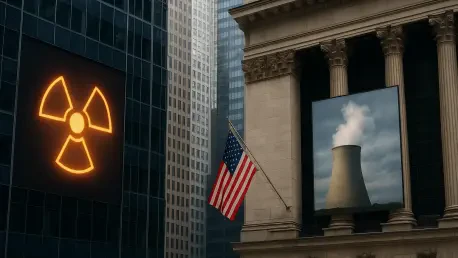

The global energy landscape is currently navigating a period of profound transformation where the insatiable demand for carbon-free power from artificial intelligence and data center infrastructure is meeting the harsh realities of fiscal discipline and high interest rates. As the third-quarter earnings cycle progresses, investors find themselves at a critical crossroads, balancing the long-term necessity of nuclear energy with the short-term volatility inherent in emerging technological deployments. Major financial institutions have begun to differentiate between companies with operational fleets and those still navigating the regulatory and developmental hurdles of next-generation small modular reactors. This divergence in valuation reflects a broader uncertainty regarding how quickly the domestic grid can integrate new nuclear capacity to keep pace with the power-hungry technology sector. While the fundamental case for nuclear power remains robust, the path forward is increasingly defined by a clear split in sentiment between established utility leaders and the speculative vanguard of the industry.
Divergence: Utility Giants vs. Modular Innovators
Analyzing the recent shifts in analyst ratings reveals a stark contrast in how Wall Street perceives risk within the nuclear sector as we move through the 2026 fiscal year. Financial institutions like Citi have adopted a markedly more cautious stance toward small modular reactor pioneers, such as Oklo Inc. and NuScale Power, leading to significant downward revisions in price targets despite the high level of interest in their designs. These adjustments are largely attributed to the persistent pressure of elevated interest rates and the rising capital expenditures required to bring unproven technologies to commercial scale. In contrast, traditional utility companies with deep operational experience, such as Constellation Energy and Vistra Corp., are receiving bolstered support from firms like Morgan Stanley and Raymond James. These established players are viewed as the safest bets for capturing the immediate revenue streams generated by high-density data center contracts, leveraging their existing reactors to provide the reliable, base-load power that intermittent renewables cannot currently match.
Institutional Shifts: Navigating Political and Economic Pressures
The landscape for nuclear investment remained sensitive to the broader political climate, particularly with the approach of midterm elections which introduced potential legislative headwinds for large-scale data center expansion. Retail investors often maintained a more optimistic outlook on firms like NuScale compared to institutional analysts, who leaned toward a more conservative assessment of the path to profitability. Successful market participants prioritized companies that demonstrated a clear ability to bridge the gap between speculative design and operational execution while managing the complexities of a capital-intensive regulatory environment. Diversifying portfolios to include both fuel providers like Centrus Energy and diversified utilities offered a way to mitigate the risks associated with the high-stakes deployment of small modular reactors. Ultimately, the industry transitioned toward a model that valued concrete power-purchase agreements and proven reactor uptime over long-term technological promises. Strategic focus shifted toward the modernization of existing grids and the streamlining of supply chains to ensure that carbon-free energy goals were met through 2028 and beyond.