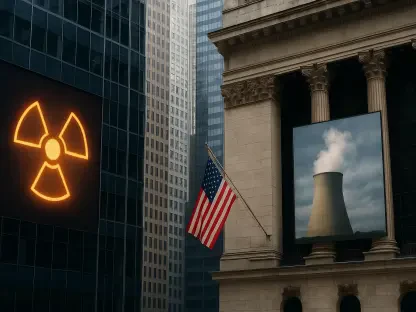

Transparency in local election cycles has become a central issue as Eugene voters prepare to decide on a gross profits fee for large retail businesses. This proposed ballot initiative, known as Measure 20-388 or the Eugene Clean Energy Fund, seeks to levy a two percent fee on the gross profits of major retailers within the city limits to bankroll localized climate initiatives and energy efficiency programs. While the policy itself has sparked intense debate over economic impacts and environmental stewardship, the conversation has recently shifted toward the ethical conduct of the campaigns involved. A formal complaint filed with the Oregon Secretary of State’s office has cast a long shadow over the proceedings, alleging that opposition forces intentionally withheld critical financial data to mislead the public. As the election draws near, residents find themselves navigating not just the merits of a new tax, but a complex web of legal accusations that challenge the integrity of the local democratic process and the accountability of political action committees in 2026.
Regulatory Requirements and Disputed Timelines
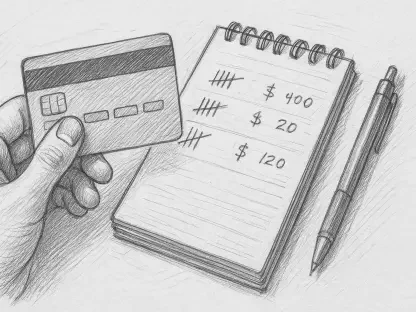
The core of the legal friction stems from a complaint initiated by organizers from the Breach Collective, who argue that the primary opposition group, Stop the Hidden Tax on Eugene, failed to report forty thousand dollars in contributions within the mandatory legal window. Under current Oregon law, political action committees are typically required to disclose transactions within thirty days; however, this reporting period is significantly compressed to a mere seven days during the final six weeks of an active election cycle. The Breach Collective alleges that the opposition missed this crucial deadline for two substantial donations: a fifteen thousand dollar check from the Oregon Bankers PAC and a twenty-five thousand dollar contribution from the Grocery Retail PAC. According to internal donor ledgers, these funds were processed in early October, yet the opposition committee did not officially record their receipt until October 20, leading to claims that the delay was a strategic maneuver to hide corporate influence.
In response to these allegations, representatives for the Stop the Hidden Tax on Eugene campaign have maintained a stance of strict compliance, asserting that they recorded the funds immediately upon physical receipt. They argue that the discrepancy between the date a donor cuts a check and the date it arrives in a campaign’s mailbox is a common administrative reality rather than a calculated attempt to obfuscate financial transparency. This defense highlights the logistical complexities inherent in high-stakes local elections, where the timing of mail delivery and internal processing can determine whether a group remains in good standing with the Secretary of State. Nevertheless, critics contend that such large sums from major industry players should be handled with a higher degree of urgency to ensure that voters have an accurate picture of who is funding the opposition’s messaging. The debate underscores a growing tension regarding the speed of digital disclosure in an era where voters demand instantaneous access to the financial motivations of political actors.
Funding Disparities and the Path Toward Transparency
The financial landscape of this race reveals a stark contrast in both the volume of capital raised and the origins of those funds, illustrating a classic battle between grassroots mobilization and corporate interests. The pro-measure campaign, advocating for the Clean Energy Fund, has successfully amassed over three hundred and forty-six thousand dollars, drawing heavily from a diverse coalition that includes labor unions and the Northwest Health Foundation. Additionally, significant backing has come from high-profile environmental groups like the Jane Fonda Climate PAC, which has positioned Eugene as a testing ground for municipal-level green policies. This robust war chest has allowed supporters to launch an extensive outreach program, focusing on the long-term benefits of energy independence and the creation of local jobs in the renewable sector. By framing the gross profits fee as a necessary investment in the city’s future, these advocates have managed to maintain a significant financial advantage over their opponents throughout the 2026 election cycle.
To ensure future electoral integrity, city officials and local advocacy groups moved toward implementing more robust digital tracking systems for campaign contributions. This shift aimed to eliminate the ambiguity surrounding the physical receipt of checks by requiring donors to log contributions electronically at the moment of issuance. Furthermore, the 2026 election cycle illustrated the necessity for clearer definitions regarding dark money and more stringent penalties for reporting delays that occurred within the final weeks of a campaign. By establishing these precedents, the community sought to create a more level playing field where policy merits, rather than financial maneuvering, dictated the conversation. Advocates suggested that a public-facing ledger, updated in real-time, would have prevented the confusion that clouded the Clean Energy Fund vote. Ultimately, the focus turned to empowering voters with accessible, unfiltered data, ensuring that the democratic process remained resilient against the pressures of high-stakes corporate lobbying.